

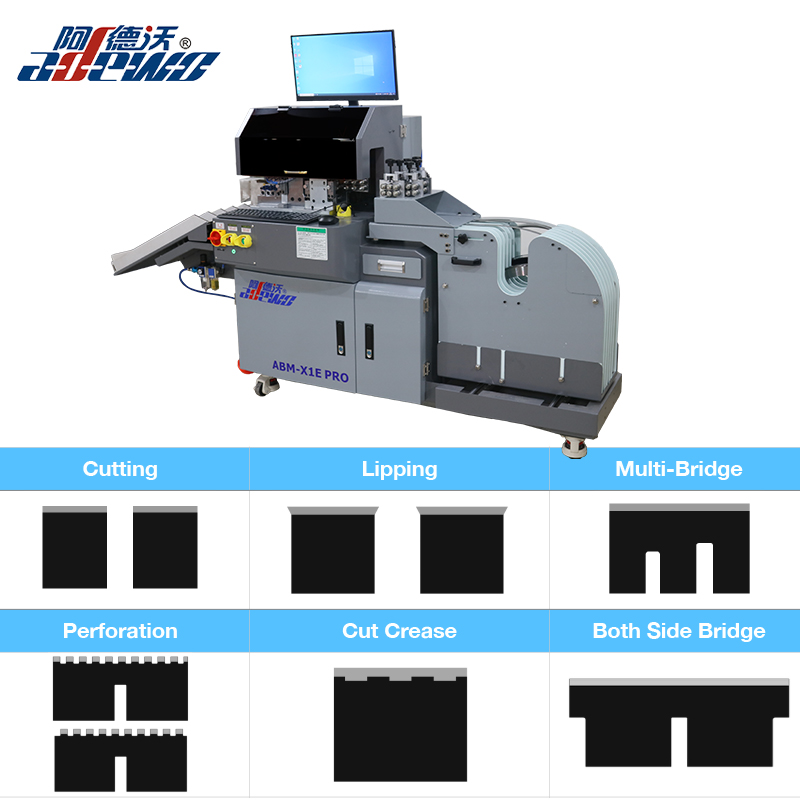
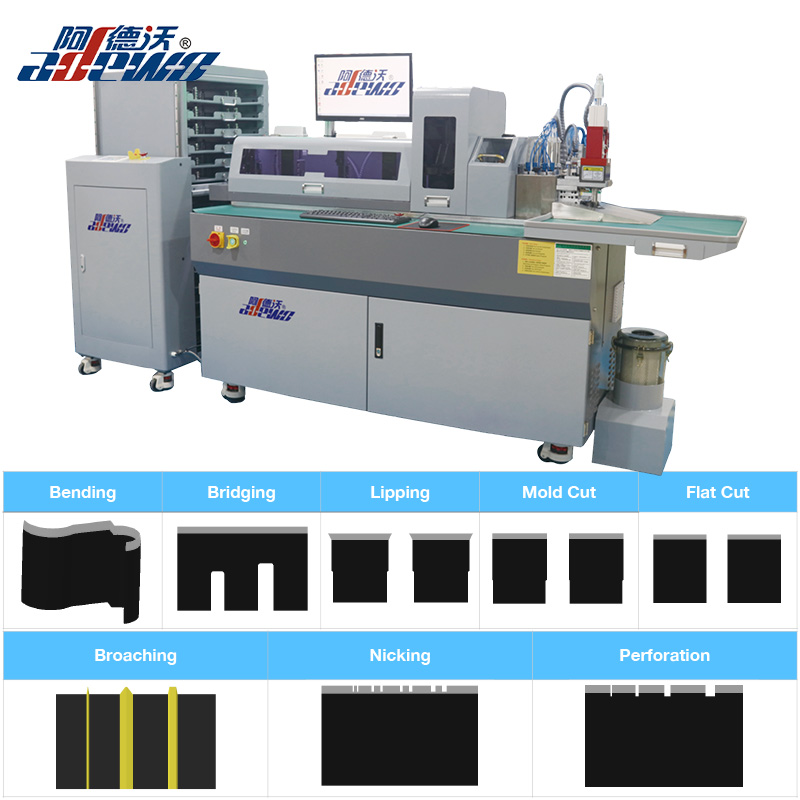
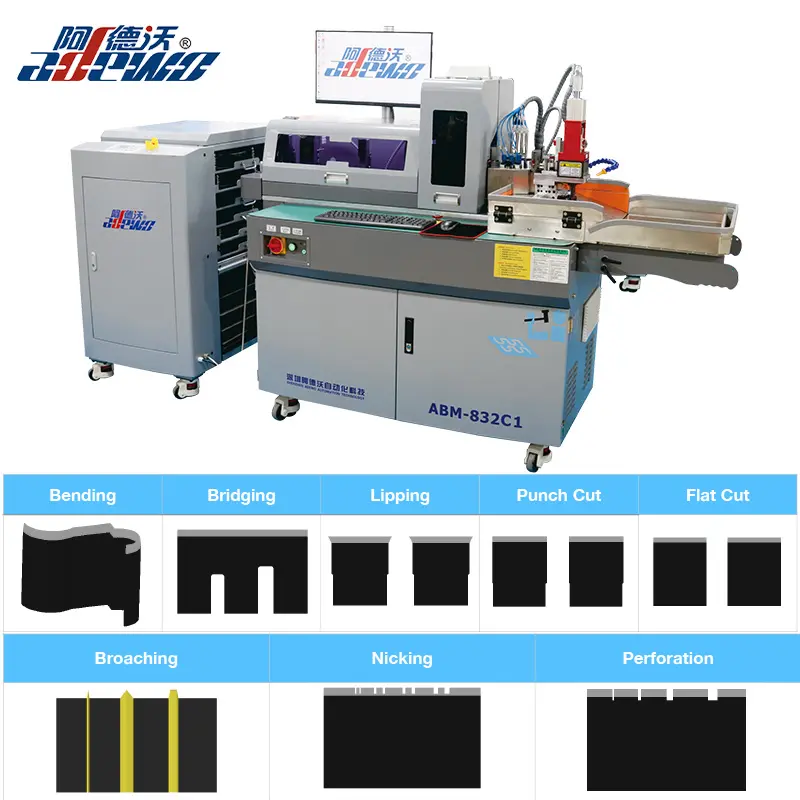

Among the most widely used processes are flat die cutting, rotary die cutting, and laser cutting.
Each has its own strengths, and the right choice depends on factors such as production volume, material, part design, tolerance, and changeover requirements.
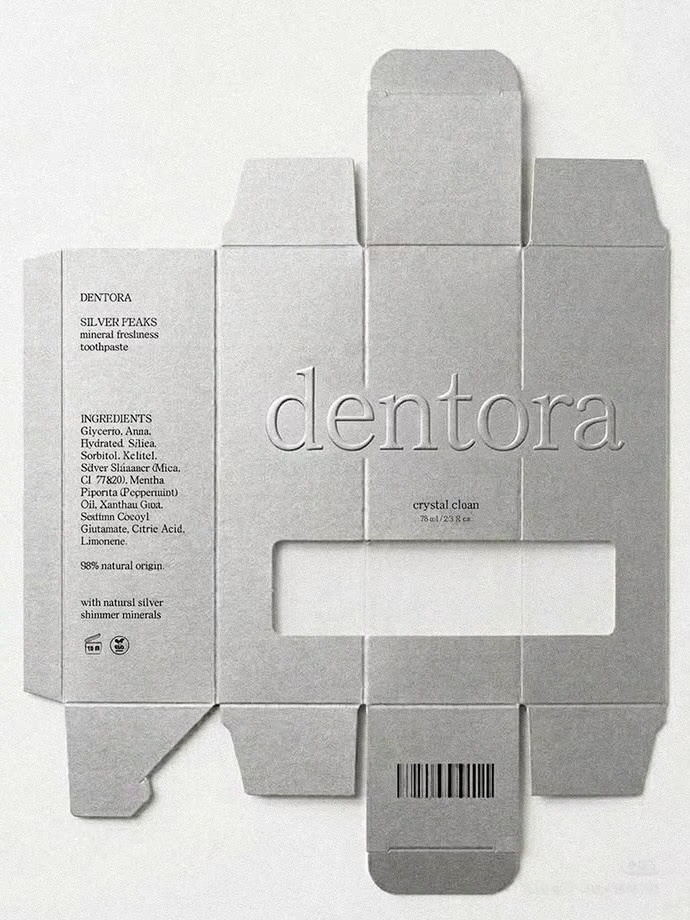
1、Flat Die Cutting: Flexible for Short to Medium Runs
Flat die cutting uses a flatbed die-cutting plateto cut materials through a pressing motion.
It is widely used for short- to medium-run production and products with frequent design changes.
Cutting Formes costs are generally manageable, while the process can handle a wide range of materials and operations, including through-cutting, kiss-cutting, and creasing.
Typical applications include:
Packaging and paper products
Foam and adhesive materials
Gaskets and protective components
Tags and custom-shaped parts
For manufacturers handling multiple SKUs or frequent changeovers, flat die cutting offers a useful balance of flexibility and cost.
2、Rotary Die Cutting: Built for Continuous Production
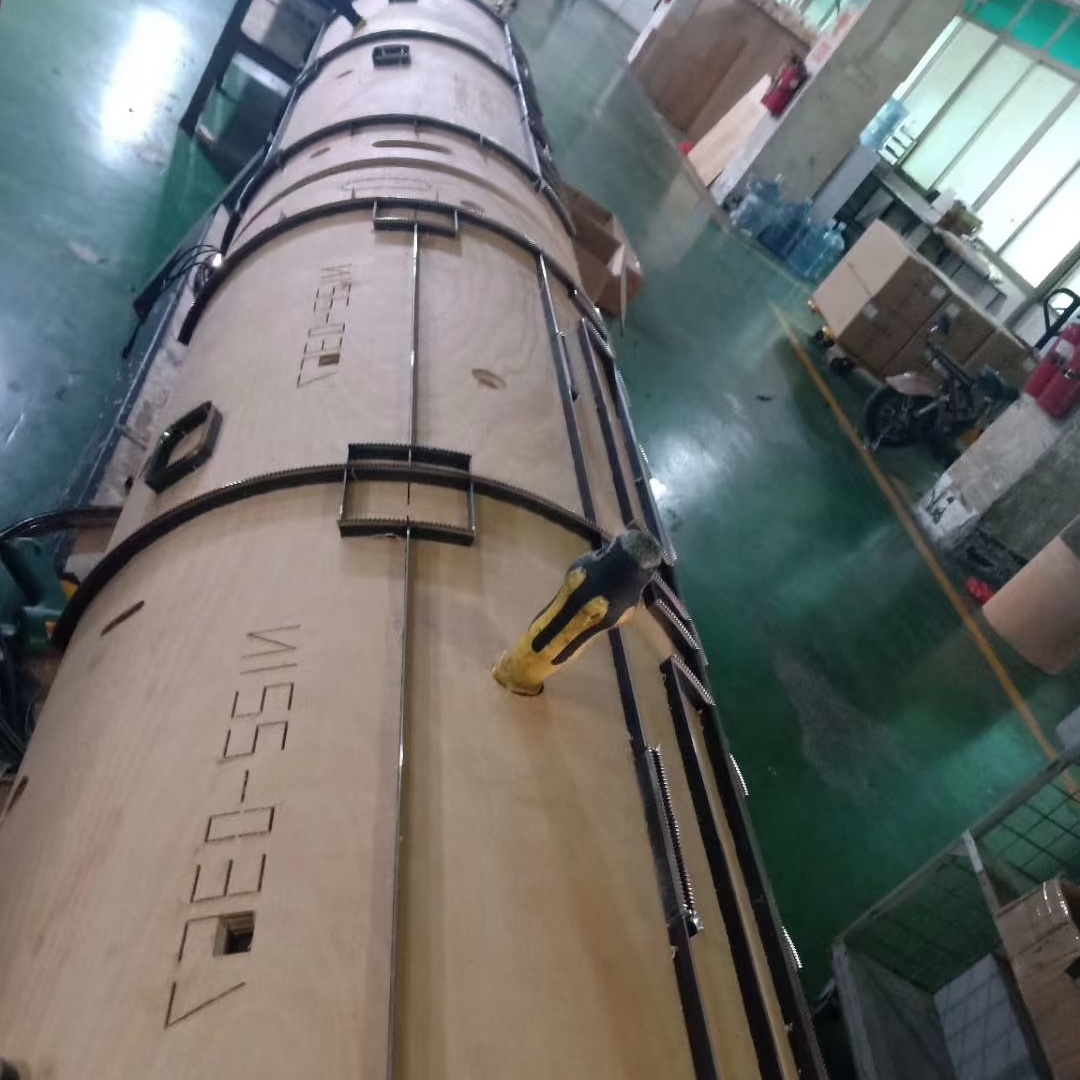
Rotary die cutting uses a cylindrical die to cut material continuously as it moves through the machine.
Its continuous operation makes it particularly suitable for high-volume production and stable, repeat orders.
Typical applications include:
Pressure-sensitive labels
Adhesive tapes
Films and flexible materials
Continuous web-based products
Rotary tooling generally requires a higher initial investment than flat tooling, so the economics become more attractive when production volumes are high and the design remains stable over time.
3、Laser Cutting: Fast Prototyping and Design Flexibility
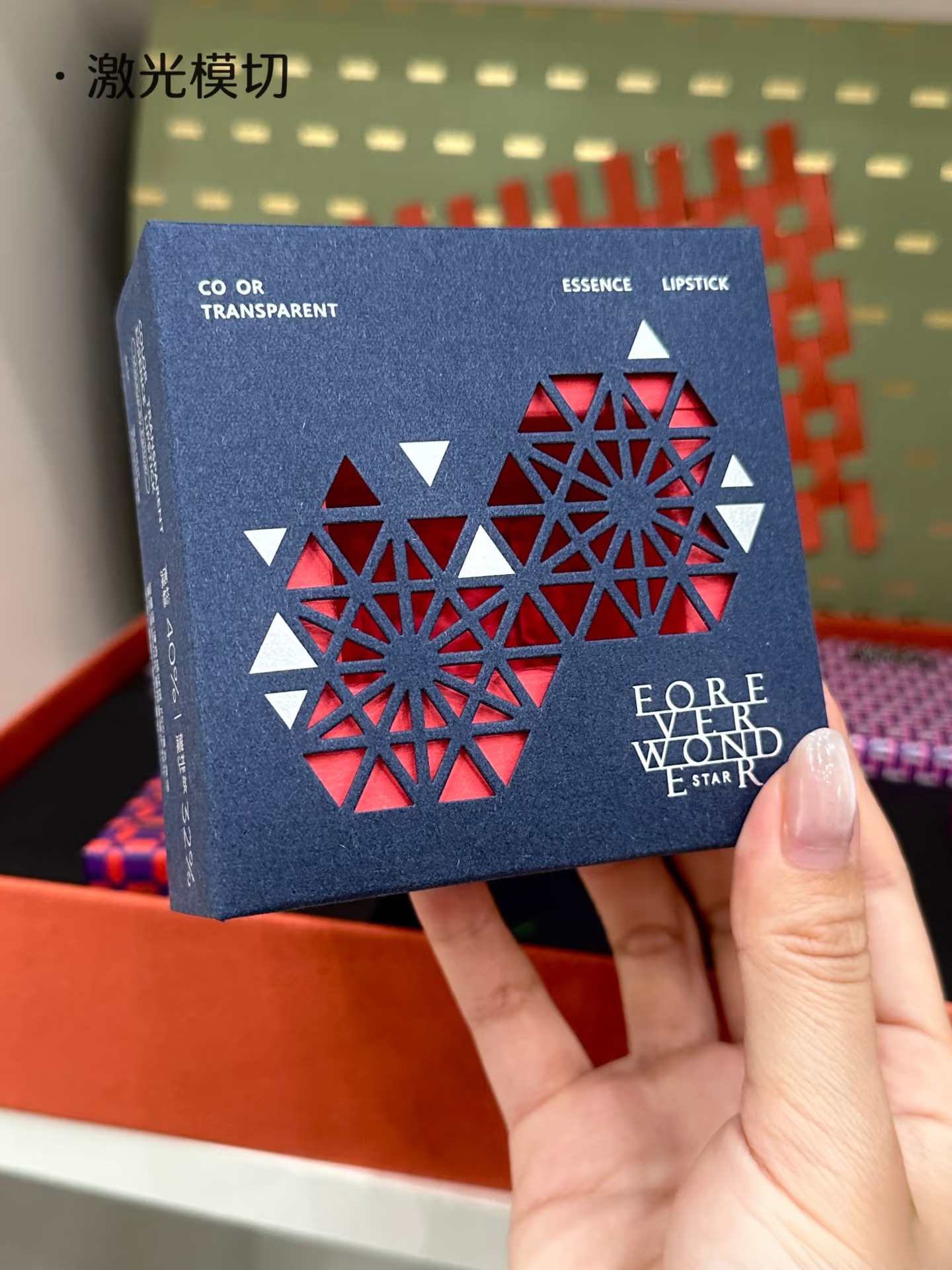
Laser cutting uses a focused laser beam instead of a conventional physical die.
The biggest advantage is flexibility:
There is no traditional cutting formes to manufacture, making it useful for prototypes, small batches, customized products, and complex geometries.
Laser cutting is particularly suitable for:
Rapid prototyping
Complex or intricate shapes
Fine openings and detailed patterns
Frequent design changes
Low-volume or customized production
However, because laser cutting is a thermal process, the result can vary depending on the material.
Some materials may experience heat-affected areas, melting, or discoloration. For large-volume production, cutting speed and unit cost should also be carefully evaluated.
How Should You Choose?
There is no universal “best” die-cutting method.
From Prototype to Mass Production
For many products, the most efficient strategy is not to use the same process throughout the entire product lifecycle.
Prototype → Flatbed Production → Rotary Mass Production
Laser cutting can be used to quickly validate a new design.
Once the product enters regular production, flatbed die cutting may offer a practical solution for flexible, smaller-volume orders.
When demand becomes stable and production volumes increase, rotary die cutting can provide the efficiency needed for continuous manufacturing.
The Bottom Line
Laser cutting focuses on flexibility.
Flatbed die cutting focuses on versatility.
Rotary die cutting focuses on production efficiency.
The right process is ultimately determined by the combination of volume, material, design complexity, tolerance, changeover frequency, and total production cost.
Choosing the right die-cutting technology is not simply about selecting the fastest machine—it is about finding the process that best fits the product and the production strategy.