





Why do Chinese people attach such importance to National Day? How does it differ from National Day celebrations in other countries?
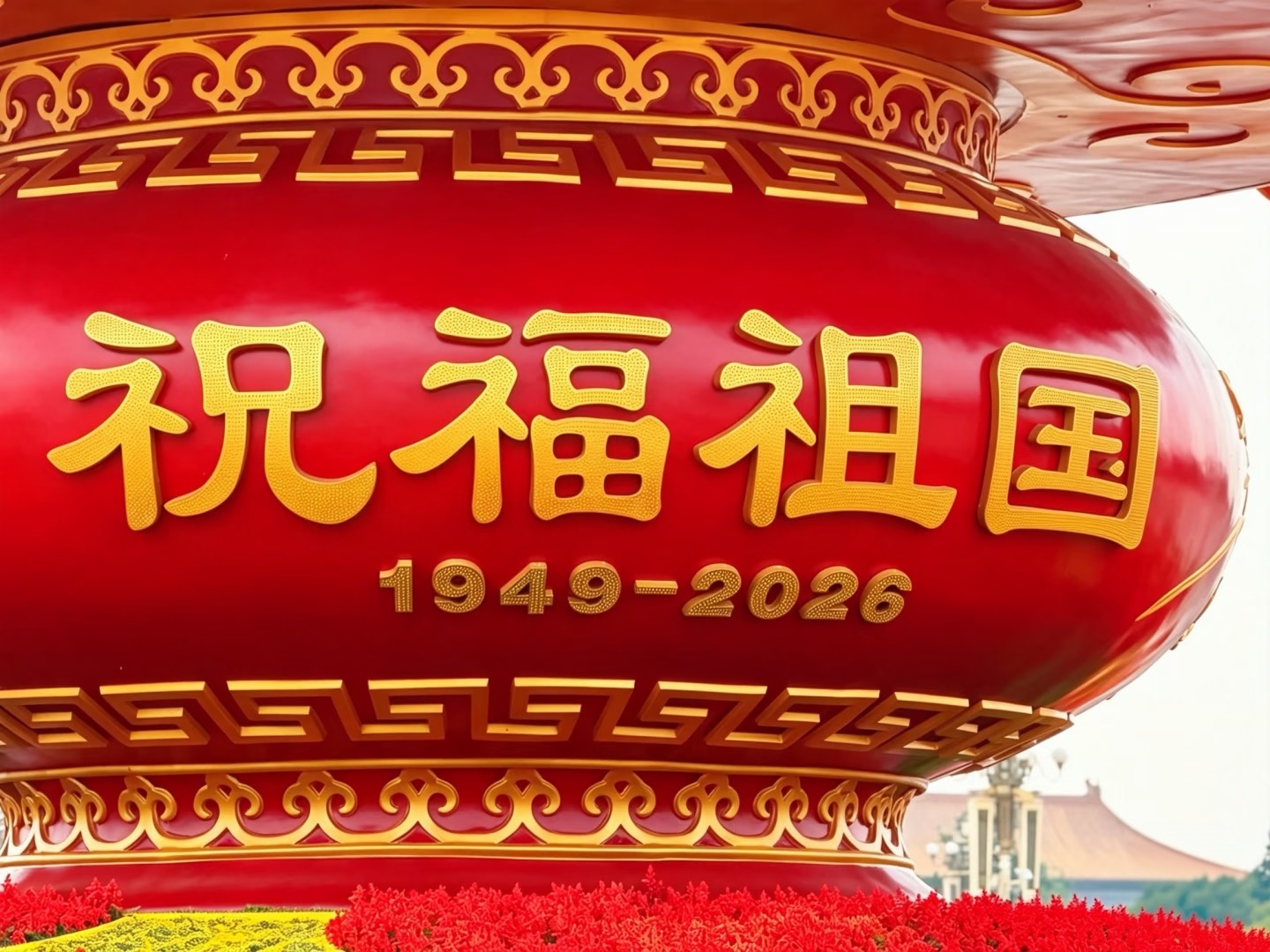
A National Memory Dating Back to 1949
On October 1, 1949, the founding ceremony of the Central People's Government of the People's Republic of China took place in Beijing's Tiananmen Square, marking the official inauguration of the new nation.
On December 2 of that same year, China officially designated October 1st as National Day. On October 1, 1950, the country celebrated its first official National Day.
Since then, October 1st has become a pivotal historical anniversary for China and a shared national memory for generations of Chinese people.
A National Flag Connecting History and the Present
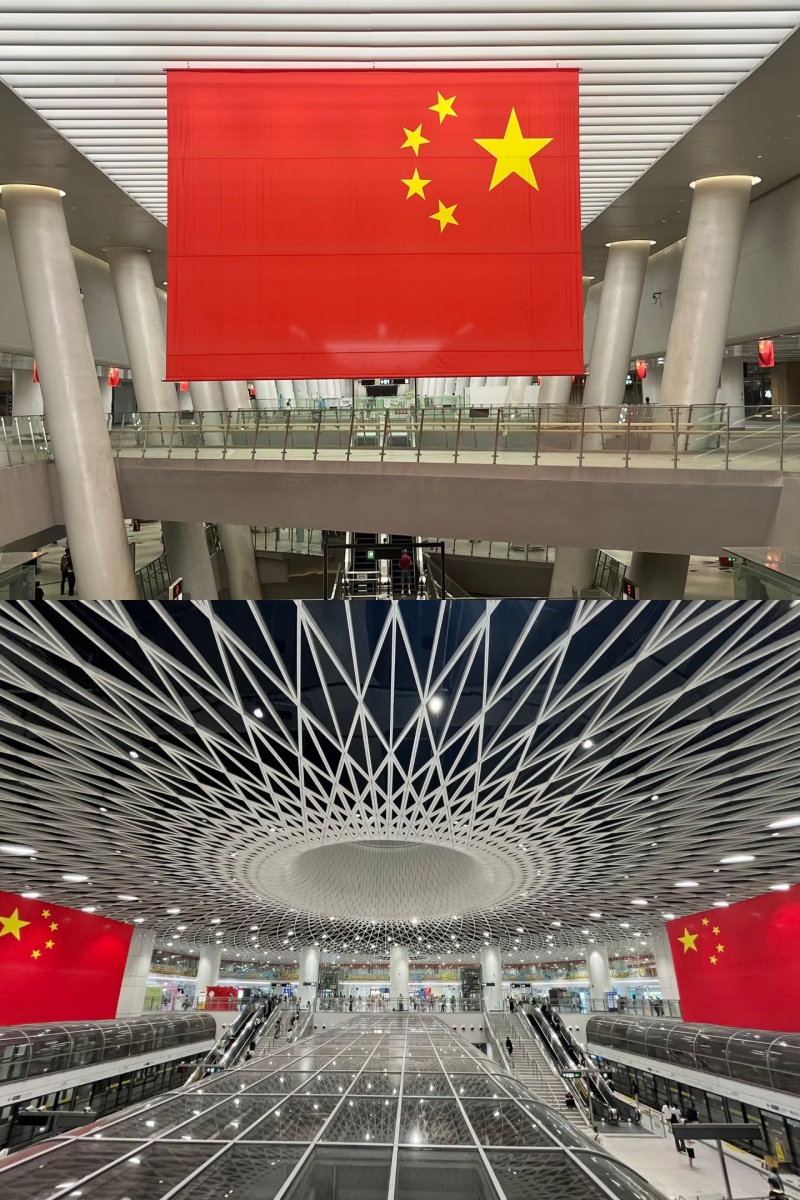
The Five-Star Red Flag is the most distinctive visual symbol of National Day.
On the eve of the founding of the People's Republic in 1949, a nationwide open call for flag designs was launched. A total of 3,012 submissions were received, and the design by Zeng Liansong was ultimately selected.
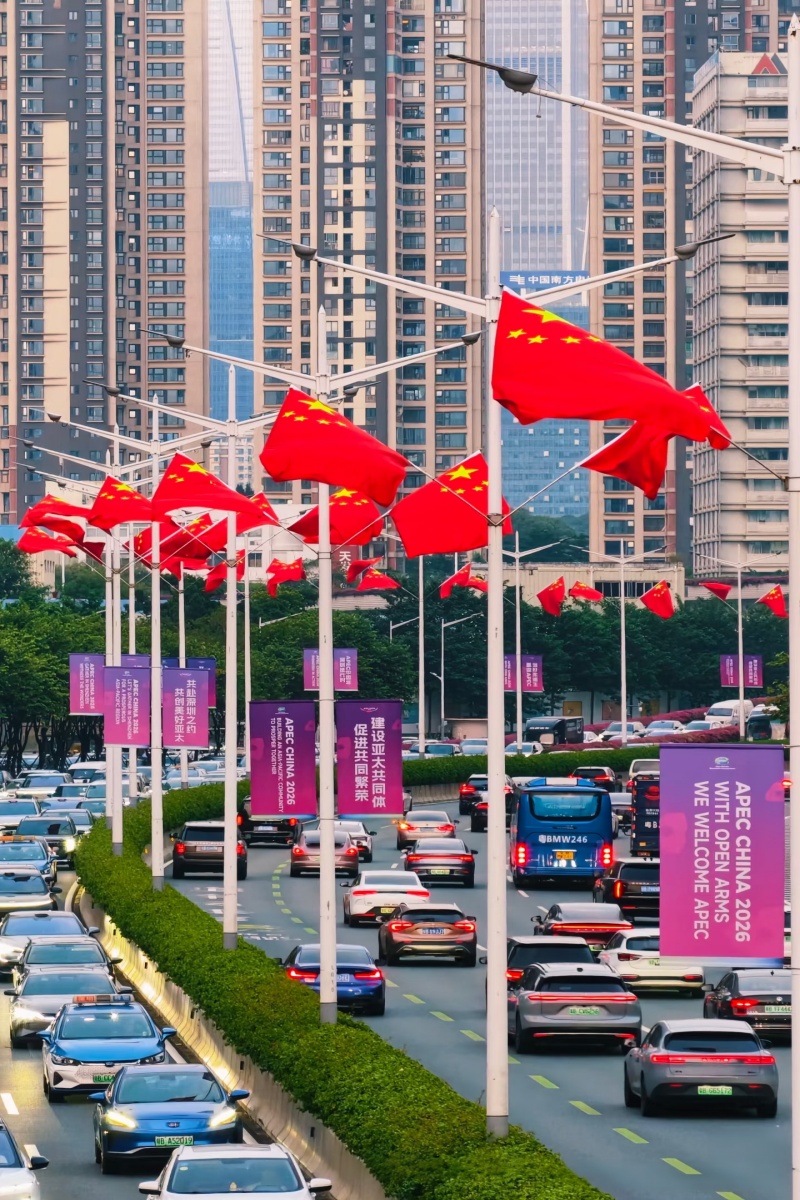
Today, the Five-Star Red Flag has moved from the historic scenes of the founding ceremony into the everyday lives of ordinary people. During National Day, the flag can be seen adorning city streets, residential communities, schools, and public buildings.
The national emblem and national anthem also embody China's historical memory.
"March of the Volunteers" was adopted as the interim national anthem in 1949 and officially designated as the national anthem of the People's Republic of China in 1982.
These national symbols also serve as important gateways for friends overseas to understand China's history and culture.
What Makes China's National Day Unique?
Countries around the world have their own National Days, yet the historical events they commemorate differ. While U.S. Independence Day commemorates the signing of the Declaration of Independence and France’s National Day is closely tied to the French Revolution, other nations mark their independence or founding.
A distinctive feature of China’s National Day is the close link between the historical memory of the nation's founding and the social development that has unfolded over the subsequent decades.
Today, the celebration does more than look back at 1949; it frequently showcases contemporary China’s progress through achievements in high-speed rail, aerospace technology, and modern manufacturing.
At the same time, the holiday has become an integral part of everyday life for ordinary people.
The "Golden Week" holiday arrangement was established in 1999. Today, people use the National Day break to return home, visit relatives, travel, and tour museums and cultural sites. For many families, it is a crucial time of year for reunions and travel.
Beyond celebration, a look back at history
The significance of National Day extends beyond mere festivity.
September 30 marks China’s Martyrs' Day, falling just one day before the October 1 National Day. On this day, people honor the forebears who contributed to the nation's development and social progress.
Consequently, the cultural atmosphere surrounding the holiday creates a bridge between reflecting on the past and celebrating the present.
This transforms National Day into more than just a holiday;
It becomes a way for the Chinese people to express their shared historical memory.
Seeing today's China through a national holiday
A country's national holiday often serves as a window into the nation itself.
Through China’s National Day, one can glimpse the history of 1949 and see the "China Red" adorning city streets today; one can learn the stories behind the national flag, anthem, and emblem, while also observing high-speed rail, aerospace advancements, modern manufacturing, and the daily lives of ordinary citizens.
Like national holidays elsewhere, China’s National Day embodies national identity and shared memory;
Understanding how a country celebrates its national day offers insight into how it remembers the past, comprehends the present, and envisions the future.