


For a new employee entering the die-making equipment industry, learning machine specifications alone is not enough. To understand why a die-making machine is needed, it is important to first understand what happens to the rule before it becomes part of a finished die.
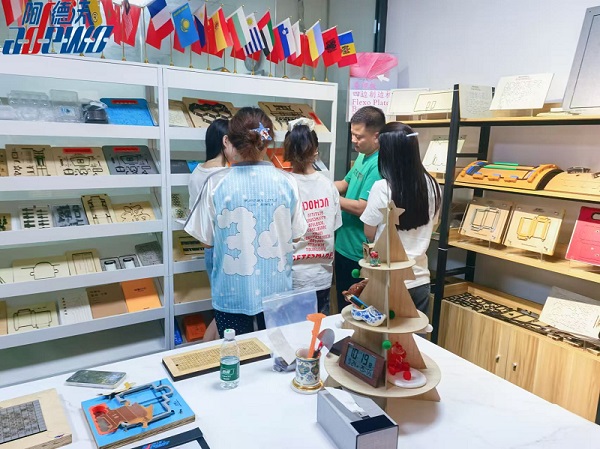
Recently, Adewo organized a training session for new employees focusing on the fundamentals of steel rule die making. The training covered the basic structure of a die, the difference between cutting rules and creasing rules, rule forming, rule cutting and preparation, as well as welding and assembly. These topics were used to help employees connect individual production processes with the equipment used in modern die-making workshops.
From a Straight Rule to a Formed Rule
A steel rule used for die making starts as a straight strip of steel, but many finished dies require the rule to follow curves, corners, arcs and other contours defined by the die design. The straight rule therefore needs to be formed before it can be installed into the die board.
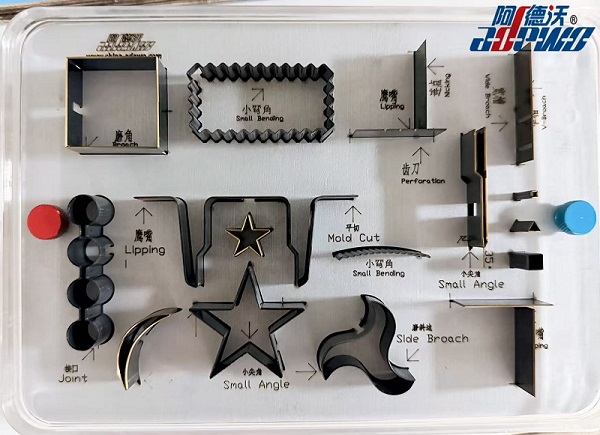
This is where rule bending becomes a key process
During the training, employees learned that bending a steel rule is not simply a matter of forcing the strip into a curve. When steel is bent, part of the deformation is elastic. After the bending force is released, the material tends to recover toward its original shape. This phenomenon is known as springback and needs to be considered when forming complex shapes.
A die may contain many consecutive bends, different angles and curved sections. If each bend deviates slightly from the intended position, these errors can accumulate and affect the final contour of the rule.
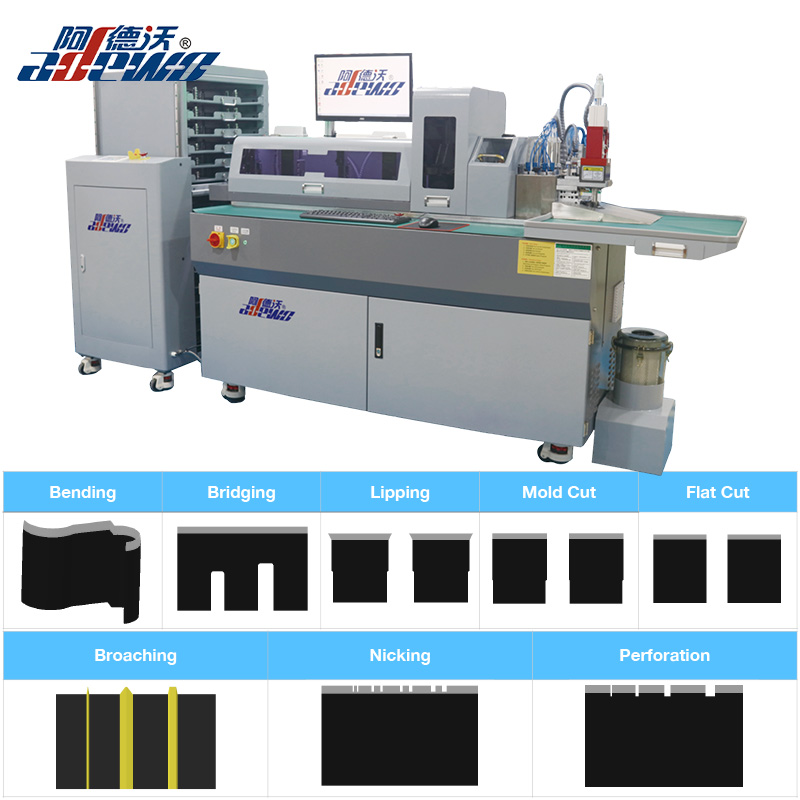
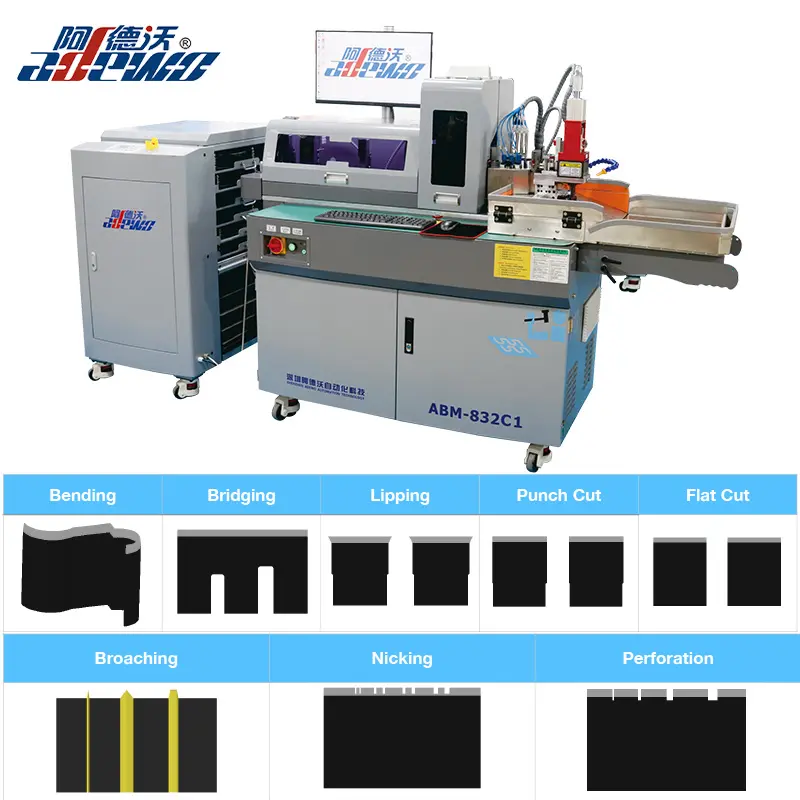
This is where automatic rule bending technology becomes useful. An automatic bender processes the rule according to the required shape and bending sequence, helping form the straight rule into the required contour with less reliance on repeated manual adjustment.
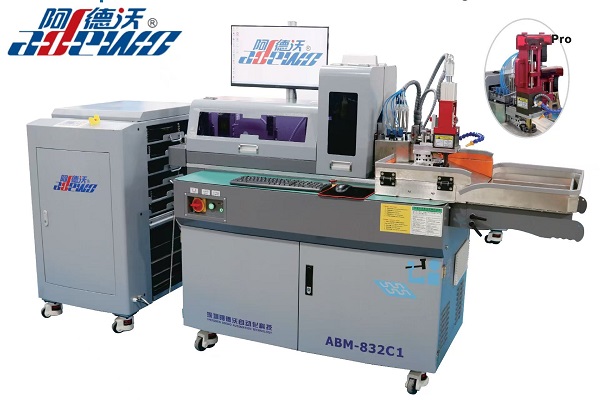
Adewo’s automatic bending machines are designed for this type of rule-forming process, connecting the bending operation with the requirements of the die design.
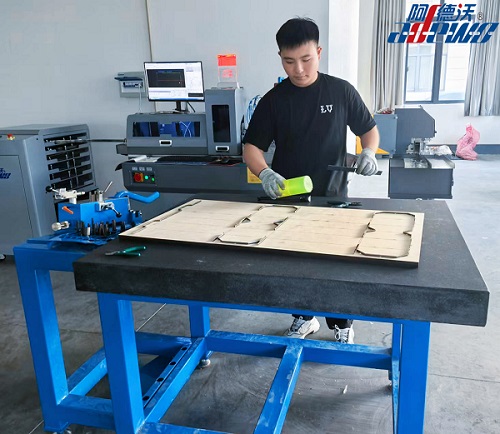
Once formed, the rule needs to fit into the corresponding groove in the die board. Therefore, bending accuracy affects not only the shape of the rule, but also how it fits into the prepared die board.
Cutting Rule and Creasing Rule Have Different Jobs
Another important knowledge point was the difference between the cutting rule and the creasing rule。A cutting rule has a sharpened edge and is used to cut the material. A creasing rule does not function as a cutting edge. Instead, it creates a crease that helps the material fold along a controlled line. Both can be incorporated into the same die, but they perform different functions during the die-cutting process.
For example, in a carton die, cutting rules define the outer shape of the package, while creasing rules determine where the board will fold. Understanding this difference helps new employees recognize why different types of rules need to be prepared and positioned according to the die design.
Rule Cutting and Preparation
Before the rules are assembled into a die, the rule material also needs to be prepared according to the design. This is where a Creasing Cutting machine becomes part of the preparation process.
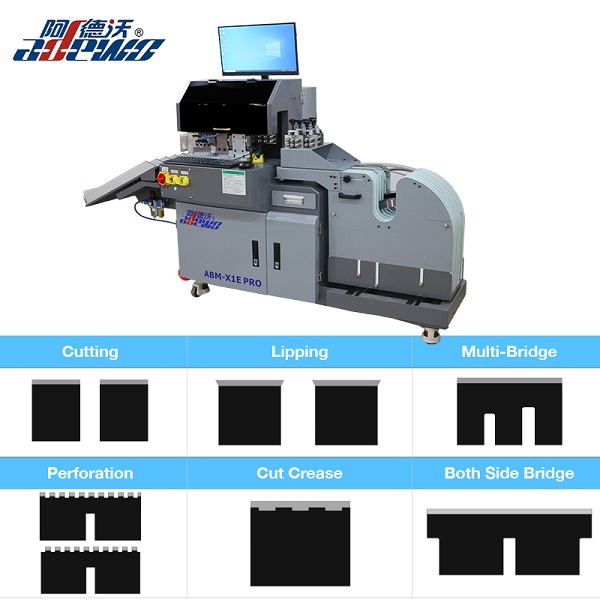
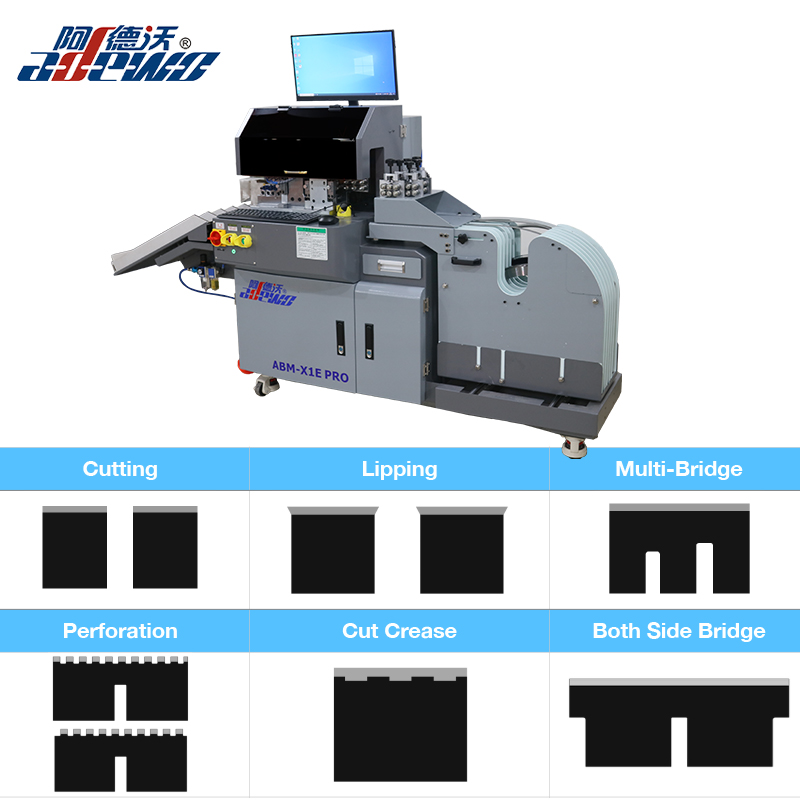
Different sections of rule may need to be cut to specific lengths and sorted according to their required positions. Operations such as length sorting, cutting, lipping and bridging help prepare the rule sections for the following assembly process.
One machine handles everything:
Why Rules Need to Be Joined and Welded
After rules have been formed and prepared, some die structures require individual sections to be joined together.
Welding can be used to connect rule sections and maintain the required configuration at joints. For a die maker, the joint is not an isolated operation: it needs to work together with the formed contour and the final assembly of the die.
During the training, new employees learned that welding technology is therefore connected to the earlier bending and cutting processes. The rule first needs to be formed into the required geometry, and sections may then need to be joined while maintaining that geometry.
Laser welding was also introduced as part of the company’s equipment knowledge.
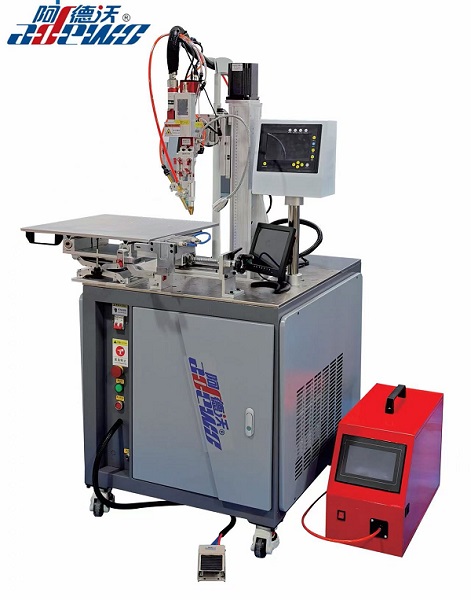
Modern die-making equipment can use laser technology for precise welding work, giving employees a clearer understanding of how welding fits into an increasingly automated die-production workflow.
From Individual Processes to a Complete Die-Making Workflow
Through the training, employees were encouraged to look at die making as a connected process rather than a collection of independent machine operations.
A typical workflow can involve preparing the die design and die board, preparing and cutting rule material, bending straight rule into the required contours, assembling the formed rules into the die board, and joining selected sections where required. Cutting rules and creasing rules then work together according to the product design.
Once employees understand this relationship, machine specifications become easier to understand. A bending machine is not simply a machine that “bends steel”; it is used to turn straight rule into the curved and angled geometry required by a die. A cutting-line machine is not simply a cutting device; it prepares rule material for subsequent die assembly. Welding equipment is not an independent process either, because the quality and position of a joint are related to the formed rule and final die structure.
This process-based understanding is particularly important for Adewo because the company develops equipment for different stages of die production.
About Adewo
Adewo is a manufacturer specializing in die-making equipment and automated solutions for the die-making industry.
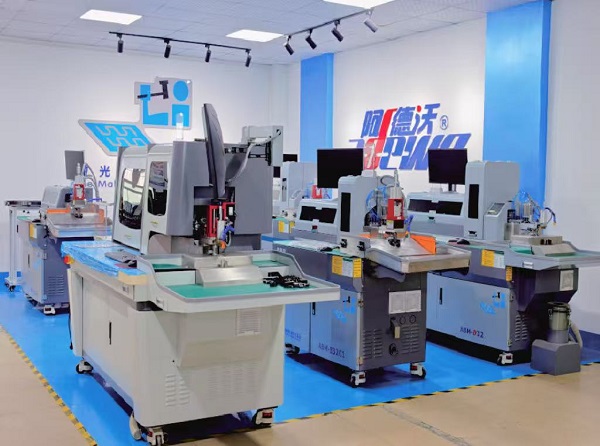
Its product range covers several key processes in die production, including bending, rule cutting, welding and laser processing. The equipment includes automatic bending machines, cutting-line machines, welding machines and laser machines designed for different die-making requirements.
Adewo believes that understanding the production process is an important part of developing useful equipment. By combining knowledge of die-making processes with equipment development, the company continues to build its ability to provide practical solutions for die manufacturers and related industries in global markets.
For new employees, this training is therefore more than an introduction to technical terminology. It is a starting point for understanding how a straight piece of rule becomes part of a finished die—and how each stage of that process connects to the equipment used in a modern die-making workshop.