When buyers compare die cutting performance, they often focus on machines first and materials second. I understand that instinct, because equipment is visible, expensive, and easy to compare on paper.
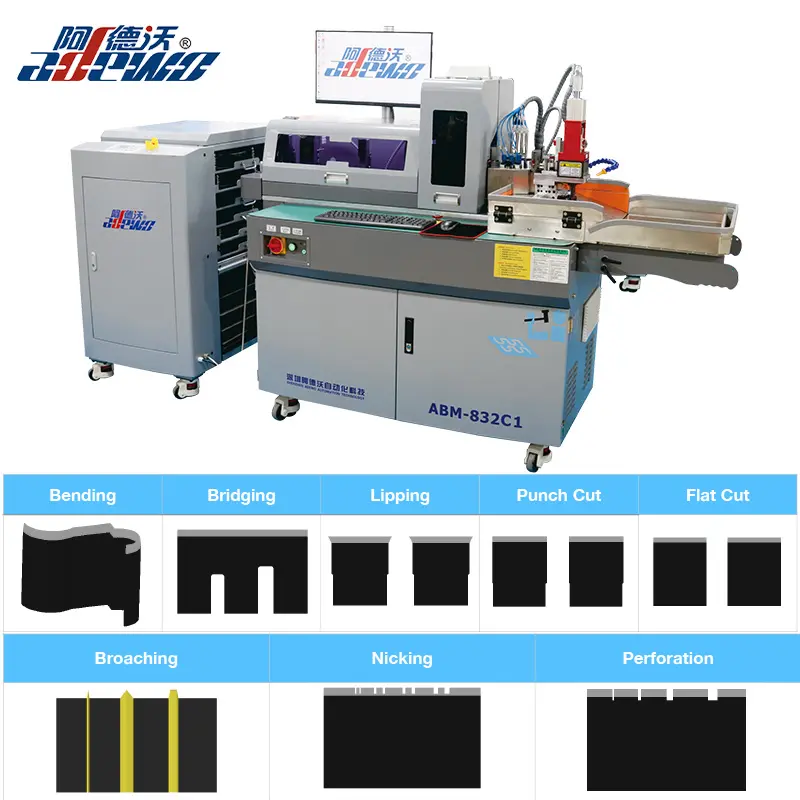
Choosing the right Auto Cutting Machine is no longer just about replacing one manual step with one powered step. For many die-making businesses, the real challenge is much bigger: inconsistent cutting quality, operator fatigue, wasted steel rule, slower order turnaround, and the constant risk of errors when multiple processing steps are handled separately.
For many die makers, the real problem is not whether bending steel rule is possible, but whether it can be done fast enough, accurately enough, and consistently enough to support daily production without exhausting skilled labor.
A Plywood Laser Cutting Machine has become one of the most important technologies for manufacturers working with plywood sheets for furniture, crafts, architectural panels, signage, and decorative components.
If you’ve ever found yourself wondering whether an Auto Cutting Machine can efficiently manage multi-layered cutting tasks—especially with materials like cardboard and plastic—you’re not alone. I hear this question almost daily from clients looking to boost productivity without sacrificing precision. The good news is, yes, modern automatic cutters are engineered precisely for such challenges. At Adewo, we’ve dedicated years to refining this technology, ensuring our machines not only handle multiple layers but excel at it. Let’s dive into how and why.
For over two decades at the forefront of industrial innovation, I've witnessed technologies come and go. But the question I get asked most often today is how core manufacturing equipment, like a Broaching Auto Bender, can seamlessly become a data-driven node in a smart factory.