
Copyright © 2022 Adewo Automation Equipment Co.,ltd. All rights Reserved.
Links Sitemap RSS XML Privacy Policy

What Is Nicking in Die Making?
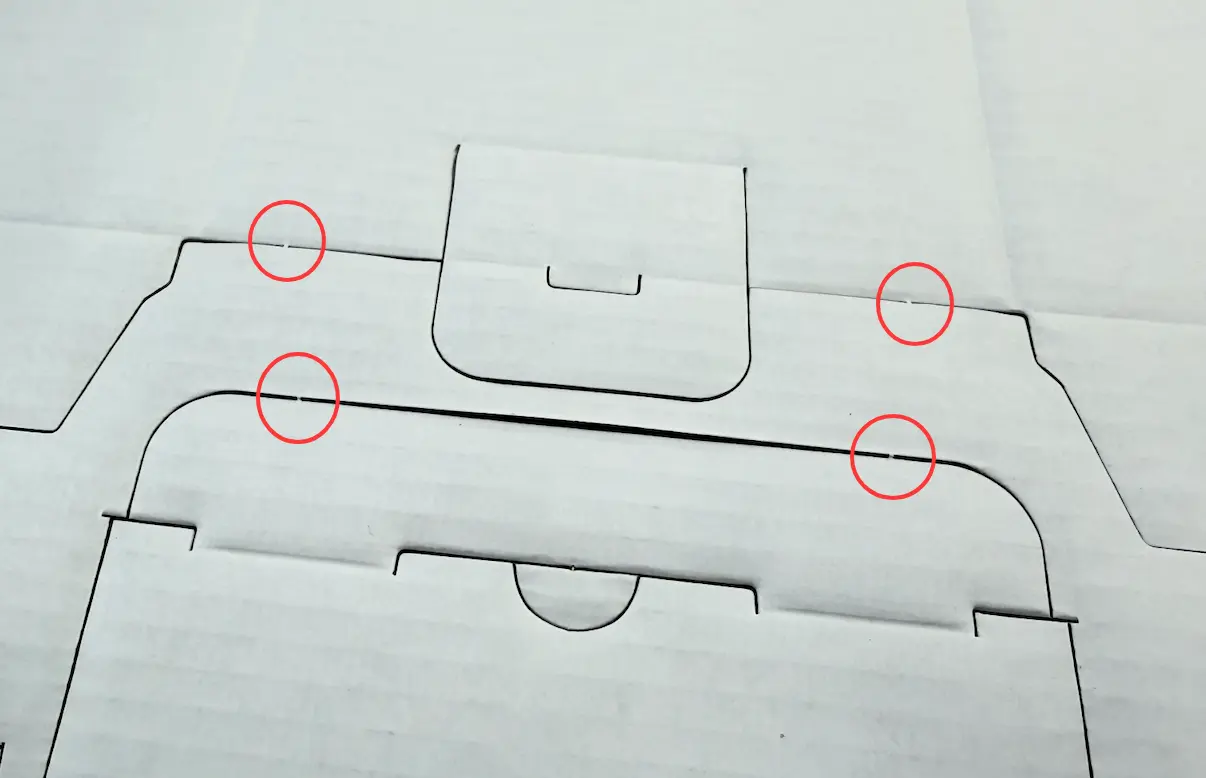
In steel rule die making, nicking is a small, controlled interruption or notch made on the cutting edge of a steel rule.
It is designed to leave small connections between the cut material and the surrounding sheet, helping keep the material or waste in position during the die-cutting process.
Nicking is widely used in folding carton die making, packaging die manufacturing, thermoforming dies and other steel rule die applications, especially when the cut pieces need to remain connected during production and be separated later.
Why Is Nicking Important in Die Making?
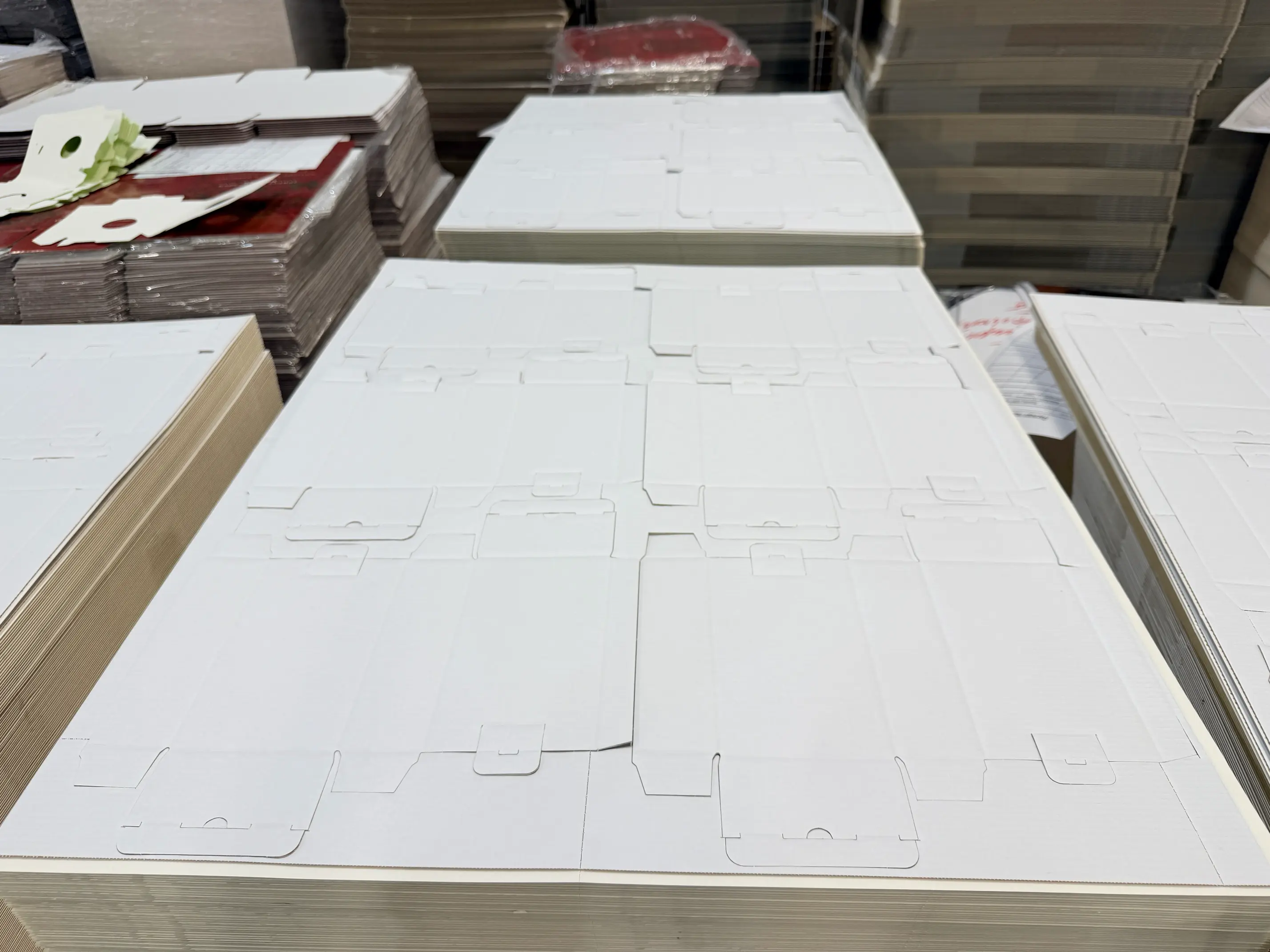
During die cutting, some materials need to remain partially connected instead of being completely separated.
By creating small nicking points on the cutting rule, die makers can control where the material remains connected.
Properly designed nicking can help:
The size, position, and number of nicks should be selected according to the material, product design, and die-cutting requirements.
How Is Nicking Made?
Nicking can be produced using different methods depending on the production requirements and equipment available.
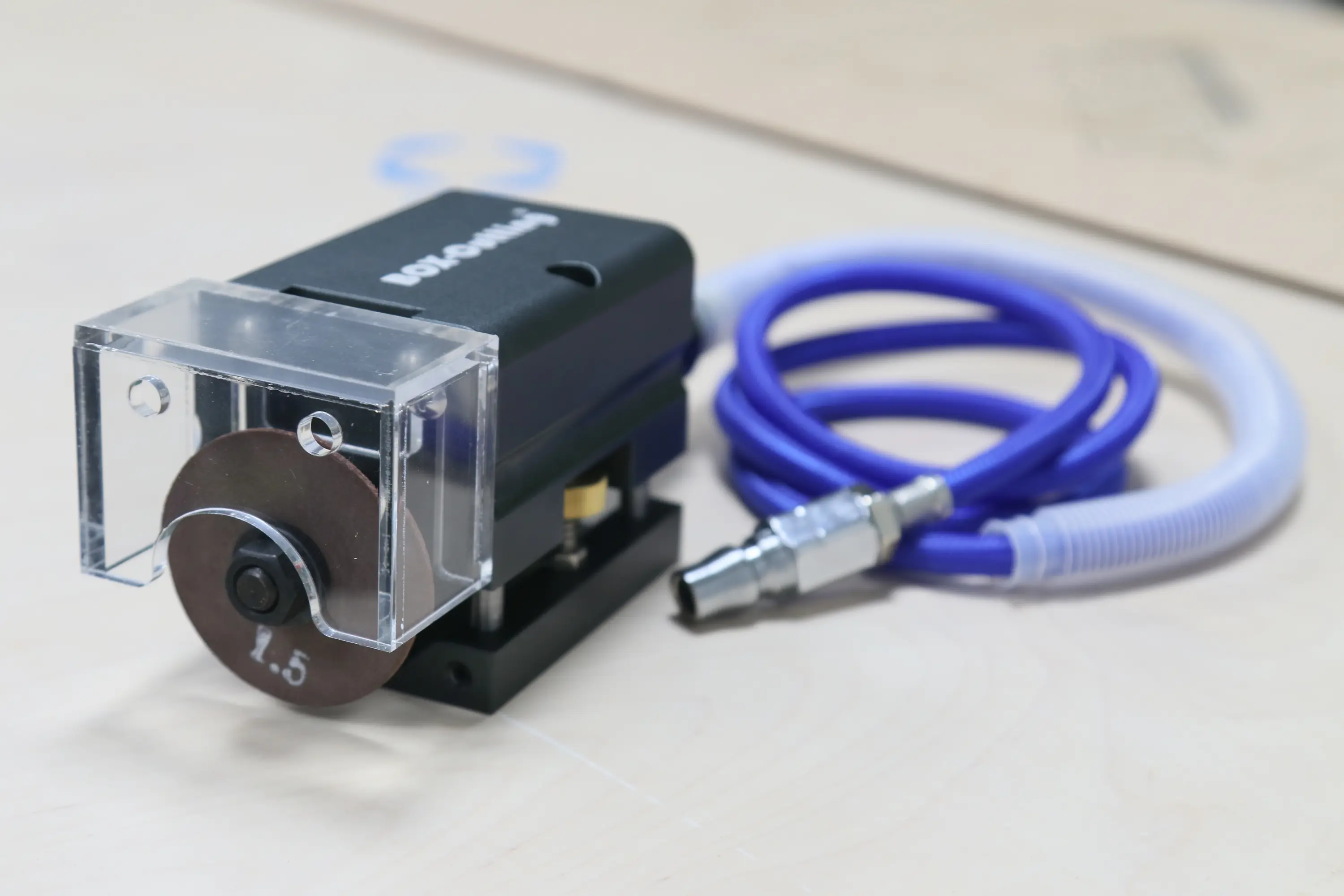
Traditional die makers can create nicks manually using dedicated tools.
This method can be suitable for:
2. Automatic Nicking
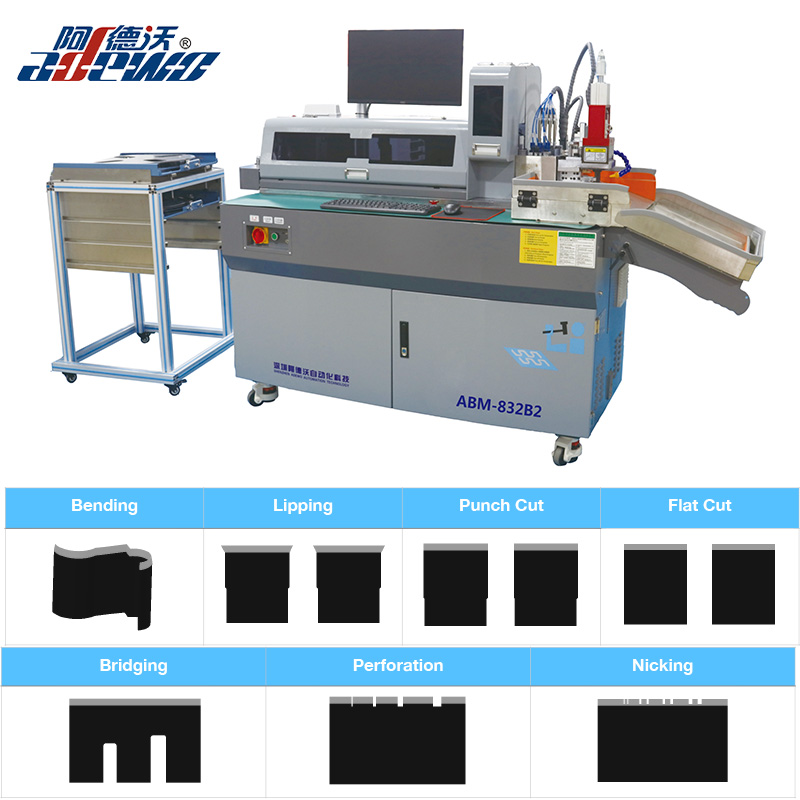
Modern automatic rule bending machines can integrate automatic nicking into the steel rule processing workflow.
The machine can identify the required nicking positions from the programmed die data and automatically process the steel rule.
This is particularly useful for packaging die manufacturers producing multiple or complex designs.
Nicking Size and Processing Options
The standard minimum nicking width is 0.2 mm. With ADEWO's automatic nicking system, the software can process different nicking widths according to the requirements specified in the drawing.
For example, when a 0.2 mm saw blade is used, the machine can process the same position twice or multiple times to achieve wider nicking sizes such as 0.3 mm, 0.4 mm, 0.5 mm, and so on.
ADEWO also offers a variety of saw blade widths ranging from 0.2 mm to 1.0 mm, providing greater flexibility for different die-making requirements.
What Are the Advantages of Automatic Nicking?
For professional die-making shops, automatic nicking can provide several advantages.
More Accurate Nicking Positions
The machine can process nicking points according to the programmed design, reducing errors caused by manual positioning.
More Consistent Nicking Size
Consistent nicking dimensions are important for maintaining stable die-cutting performance.
Reduced Labor
Operators do not need to manually locate and process every nicking point.
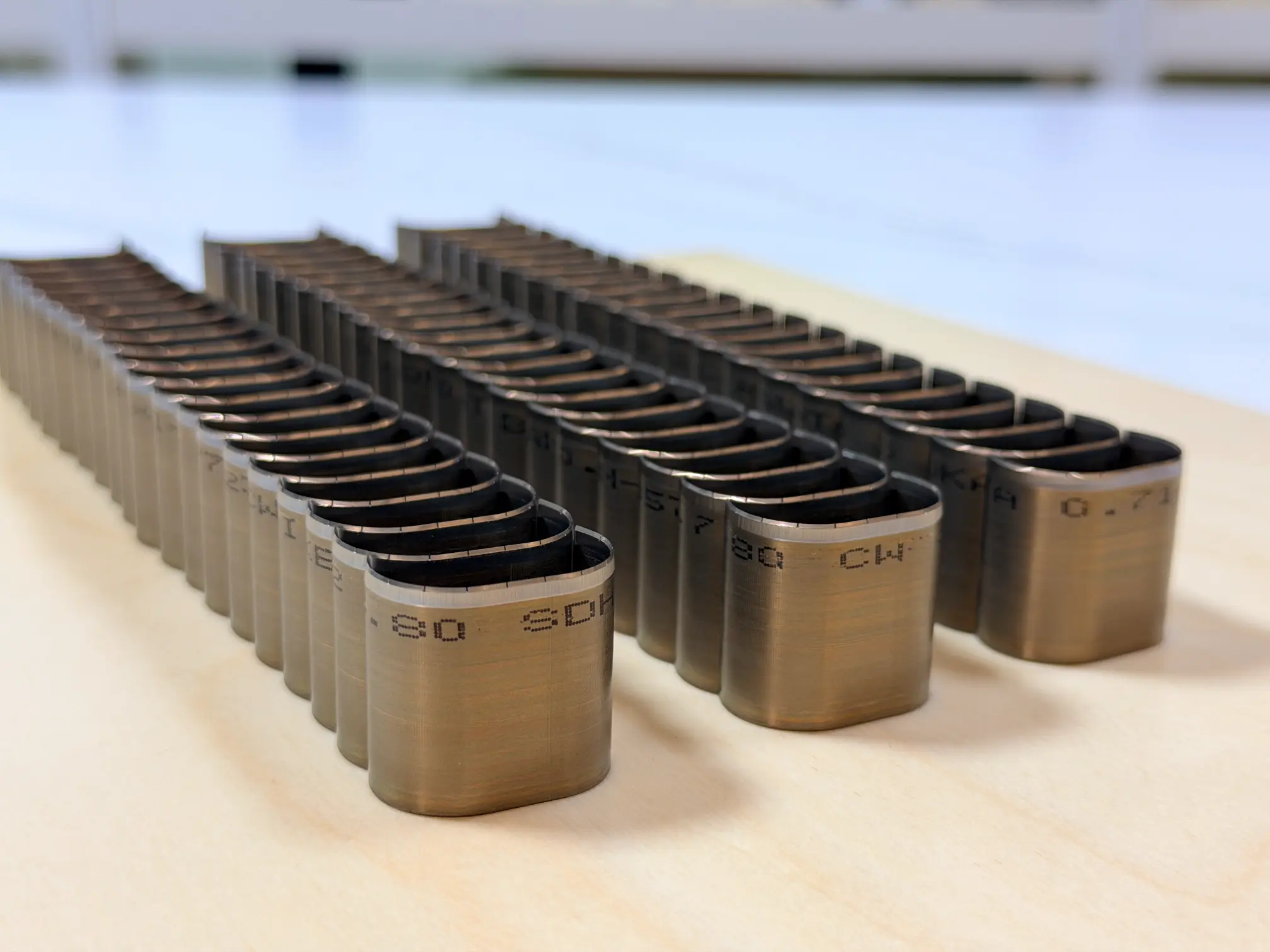
Nicking for Thermoforming Cutting Dies
Nicking is also an important function in thermoforming cutting die making.
For many thermoformed products, small nicking points can help keep the cut parts connected during the die-cutting process and prevent them from moving or separating too early.
For this reason, automatic nicking is an important feature for thermoforming cutting dies, especially for die makers who need to produce different shapes and complex cutting patterns with consistent results.
Related Articles
1. How to Set Up an In-House Thermoforming Cutting Die Department?
2. Recommend a Steel Rule Auto Bender Suitable for Thermoforming Cutting Dies
3.What Is Bridge in Die Making?
4.What Is Lipping in Die Making?
5.What Is Perforation in Die Making?
Copyright © 2022 Adewo Automation Equipment Co.,ltd. All rights Reserved.
Links Sitemap RSS XML Privacy Policy