
Copyright © 2022 Adewo Automation Equipment Co.,ltd. All rights Reserved.
Links Sitemap RSS XML Privacy Policy

What Is a Bridge in Die Making?
In laser-cut die board manufacturing, after the die board is cut, the entire structure needs to remain connected and maintain sufficient strength for assembly and production.
The connection points between different sections of the die board are called Bridge.
A properly designed bridge helps maintain the overall stability of the die board and ensures that the cutting rules and creasing rules remain in their correct positions during operation.

Main Functions of Bridges in Steel Rule Dies
1. Maintain Die Board Strength and Integrity
During laser cutting of the die board, many cutting lines and openings are created.
Without proper bridge design, the die board may separate into different sections, making assembly and handling difficult.
Bridges help:Keep the die board as one complete structure

2. Keep Steel Rules in the Correct Position
Bridges also help maintain the position of:
Cutting rules
Creasing rules
This prevents the rules from moving due to external forces during die assembly and die-cutting operations.

Types of Bridges According to Width
Bridge width is usually selected according to the die application and cutting material.
①Large Bridge
Width: 6–10 mm
Large bridges are commonly used for:
②Medium Bridge
Width: 2–5 mm
Medium bridges are commonly used for:
③Small Bridge
Width: Below 2 mm
Small bridges are used for:
Short cutting/creasing lines
How Are Bridges Made in Die Making?
After understanding the importance of bridges, many die makers may ask:
What equipment can be used to make bridges in steel rule dies?
Traditionally, bridges were made Manual Bridge Machine (Manual Notcher).
However, with the development of automation technology, modern Automatic Rule Bending Machines can complete bridge processing more efficiently and accurately.
There are mainly three common methods for bridge making:
A manual bridge machine is one of the traditional tools used in die making.
The operator manually positions the steel rule and presses the bridge tool to create the required connection.

Advantages:
✔ Low investment cost
✔ Suitable for occasional bridge processing
Limitations:
However, manual bridge making depends heavily on operator experience.
Challenges include:
It is more suitable for small-volume production or simple die applications.
A pneumatic bridge machine uses compressed air to create bridges on steel rules.
Compared with manual tools, it provides stronger and more stable processing.
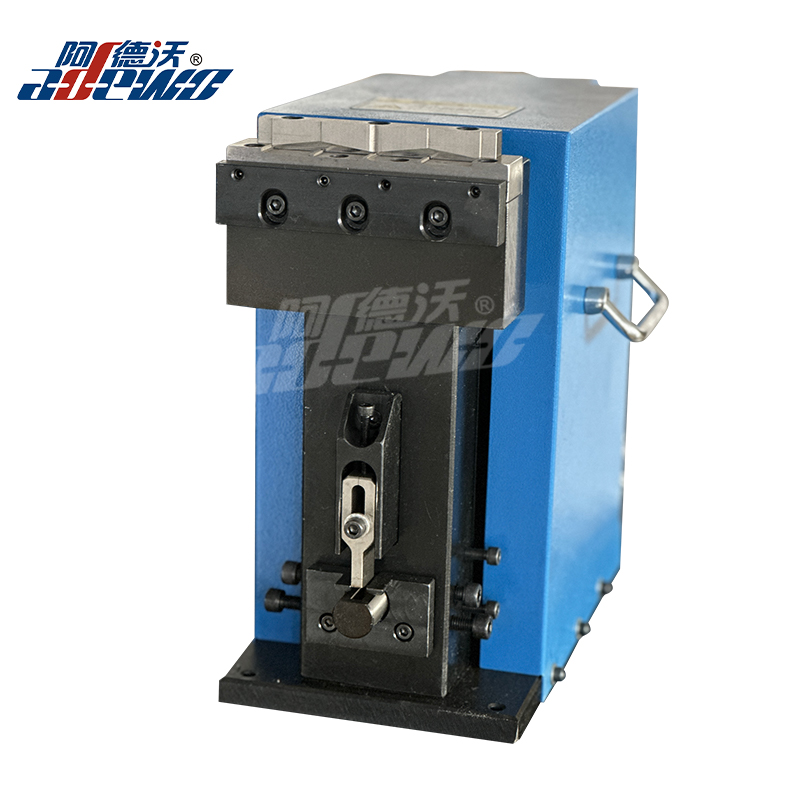
Advantages:
✔ More consistent pressure
✔ Reduced operator effort
✔ Suitable for repeated bridge processing
Pneumatic bridge machines are commonly used in die making shops that require higher efficiency than manual processing.
Limitations:
3. Automatic Rule Bending Machine with Bridge Function
Modern Automatic Rule Bending Machines integrate bridge processing into the automatic production workflow.
The machine can process:
Other special functions
according to the die drawing.
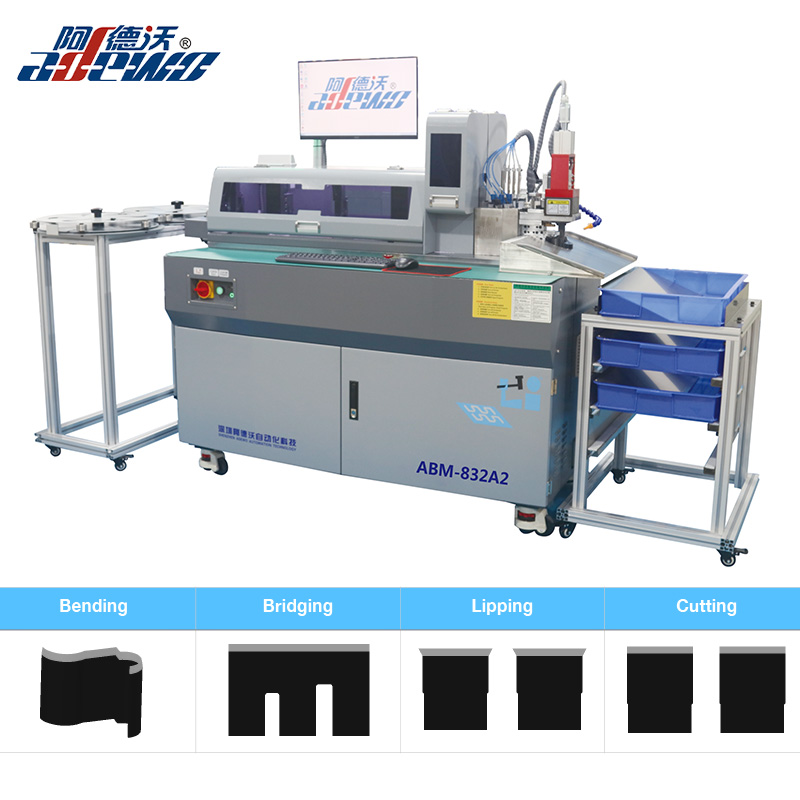
Advantages of Making Bridges with an Automatic Rule Bending Machine
1. Higher Accuracy
The machine automatically processes bridge positions according to the design data.
Benefits:
✔ Accurate bridge location
✔ Consistent bridge size
✔ Improved die quality
2. Higher Production Efficiency
Instead of moving between different machines, operators can complete multiple processes on one machine.
This reduces:
3.Multiple Functions in One Machine
Compared with traditional bridge machines, modern automatic benders can combine multiple operations:
This provides a more complete solution for modern die making.
Why Are More Die Makers Choosing Automatic Rule Bending Machines?
As packaging designs become more complex and customers require faster delivery, die makers need equipment that can improve both efficiency and quality.
An automatic rule bending machine not only makes bridges but also provides a complete steel rule processing solution.
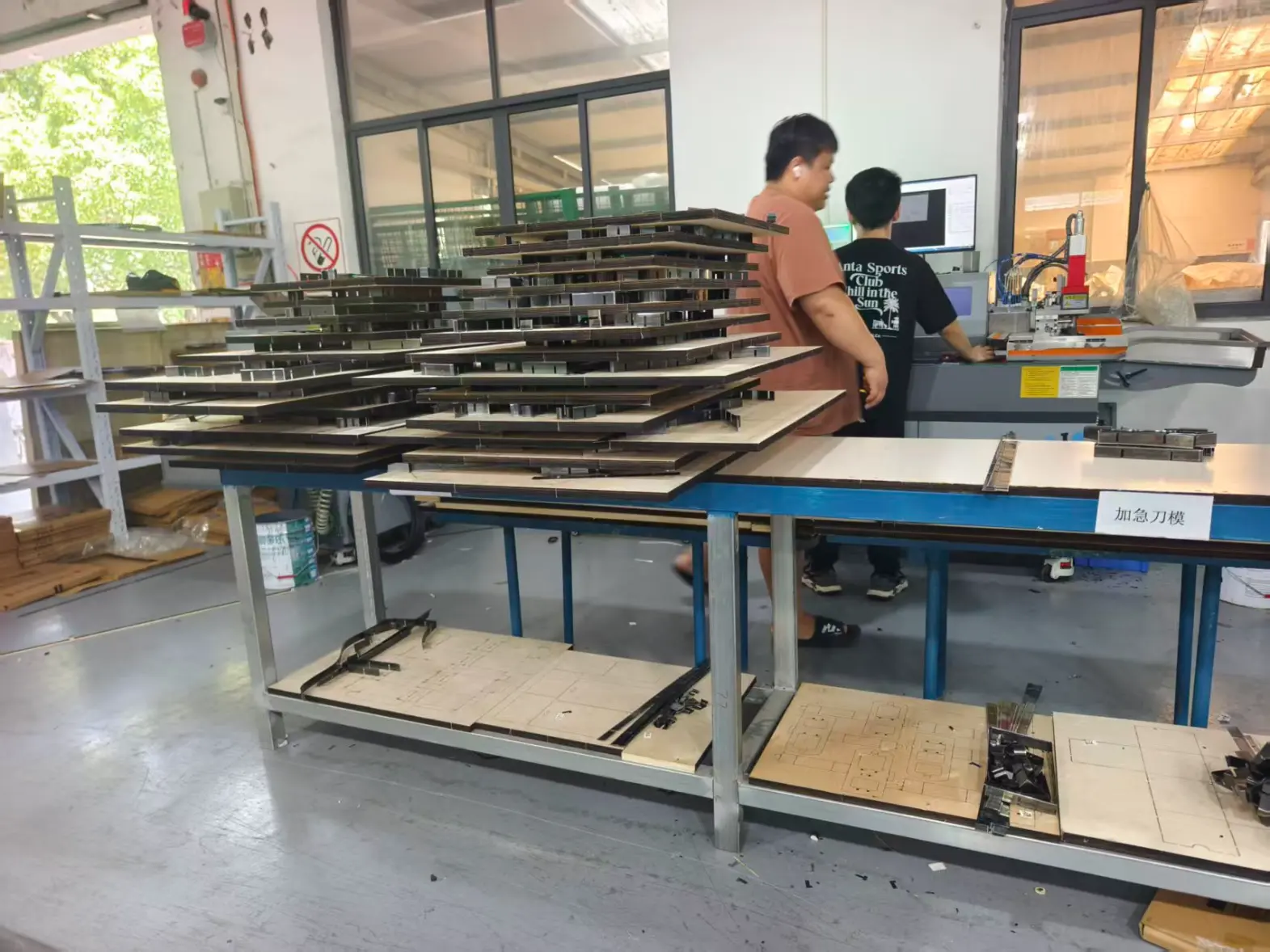
For companies looking to upgrade their die production capability, automation is becoming an important step toward:
Related Articles
What Is Lipping in Die Making?
What Is Perforation in Die Making?
What Is Nicking in Die Making?
How to Choose the Right Automatic Rule Bending Machine for Die Making?
Copyright © 2022 Adewo Automation Equipment Co.,ltd. All rights Reserved.
Links Sitemap RSS XML Privacy Policy