
Copyright © 2022 Adewo Automation Equipment Co.,ltd. All rights Reserved.
Links Sitemap RSS XML Privacy Policy

What Is Perforation in Die Making?
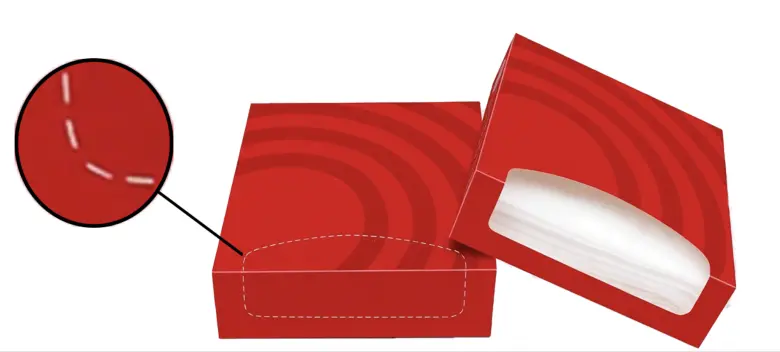
Perforation is an important die-making process used to create controlled tear lines, opening features, and easy-separation sections in packaging and printed products.
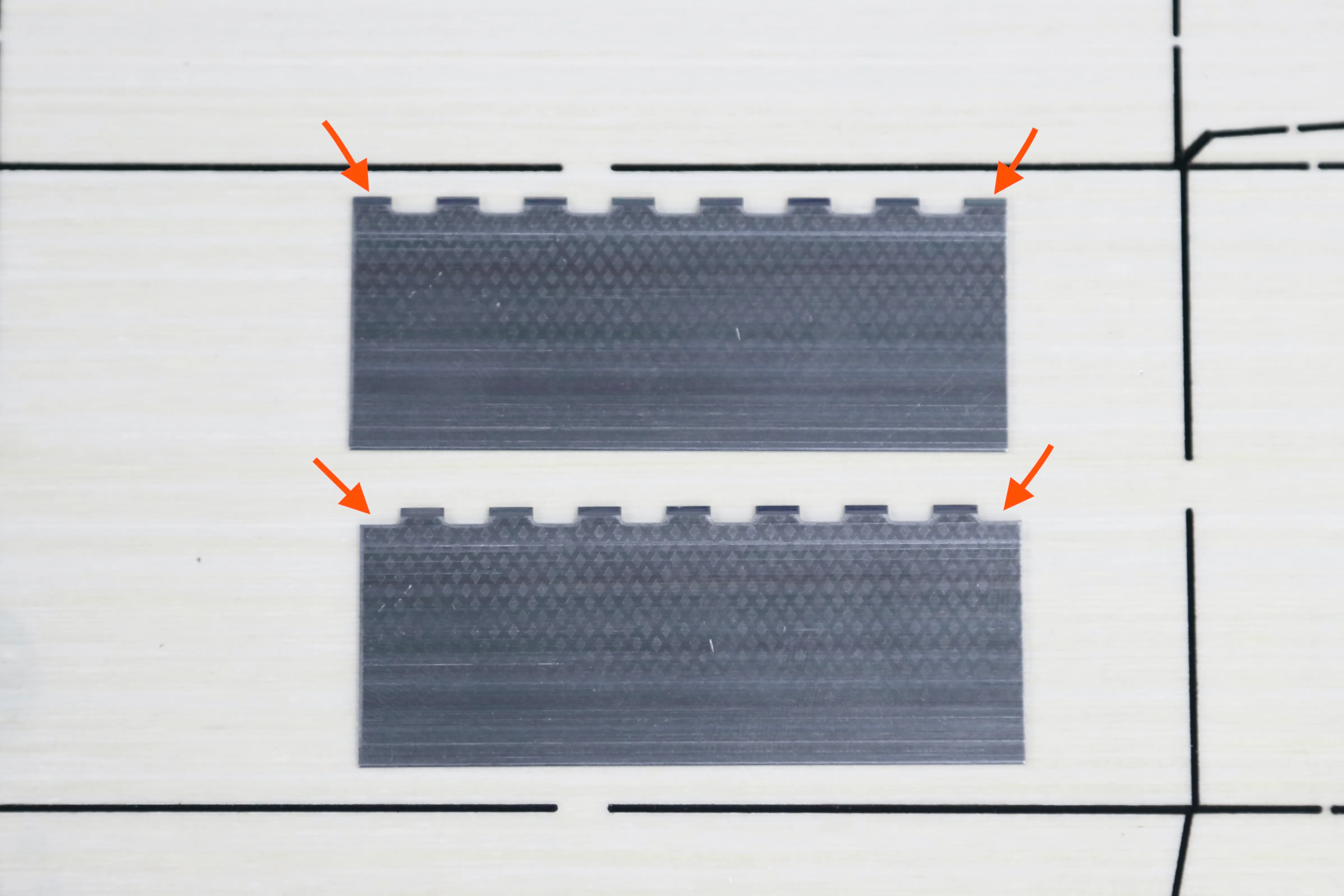
Unlike a conventional cutting rule that cuts continuously through the material, a perforation rule consists of a series of cutting teeth and gaps.
This allows the material to remain connected while making it easy to tear or open when required.
In steel-rule die making, perforation is commonly combined with cutting and creasing to produce functional packaging such as folding cartons, corrugated boxes, labels, tickets, coupons, and other paper-based products.
What Is a Perforation Rule?
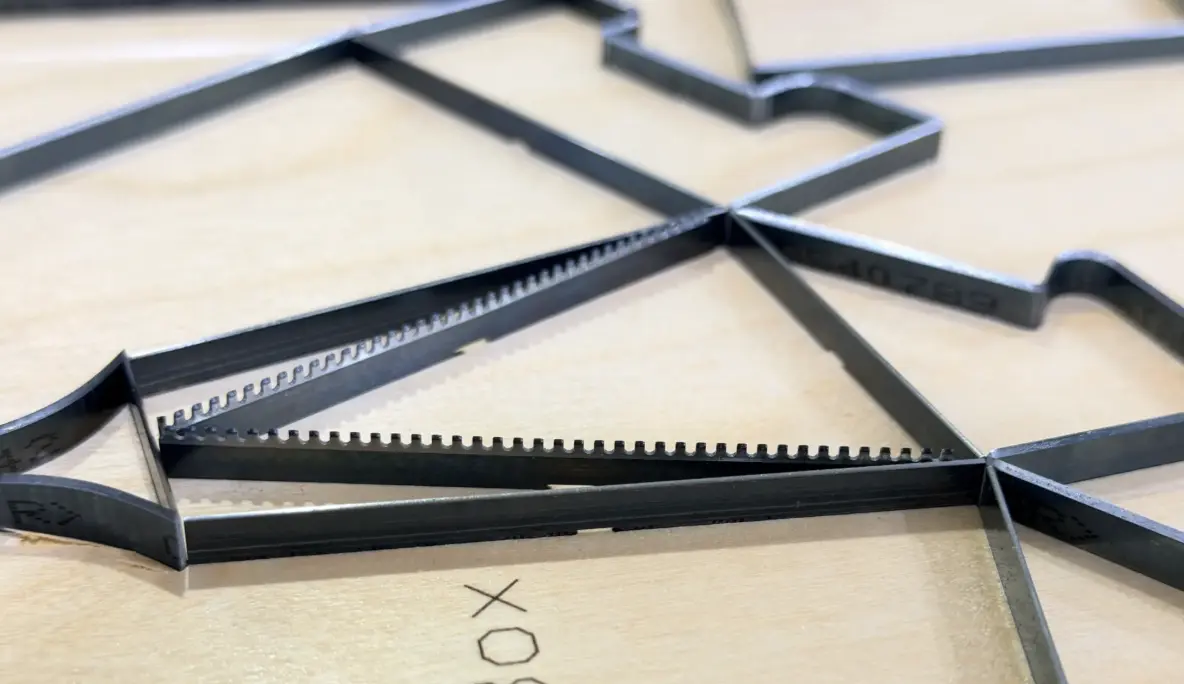
A perforation rule, also called a perforating rule, is a special steel rule with an intermittent cutting edge.
Instead of having one continuous sharp edge, the rule has alternating teeth and spaces.
When the die is pressed against the material, the teeth cut through the substrate while the spaces leave small uncut sections.
The result is a controlled line of cuts that can be torn apart later.
For example:
Continuous cutting:
────────────
Perforation:
— — — — — — —
What Is Perforation Used for in Die Making?
Perforation is mainly used when a product needs to open, tear, separate, or fold along a controlled line while maintaining sufficient strength during production, transportation, and handling.
Typical applications include:
1. Easy-Open Packaging
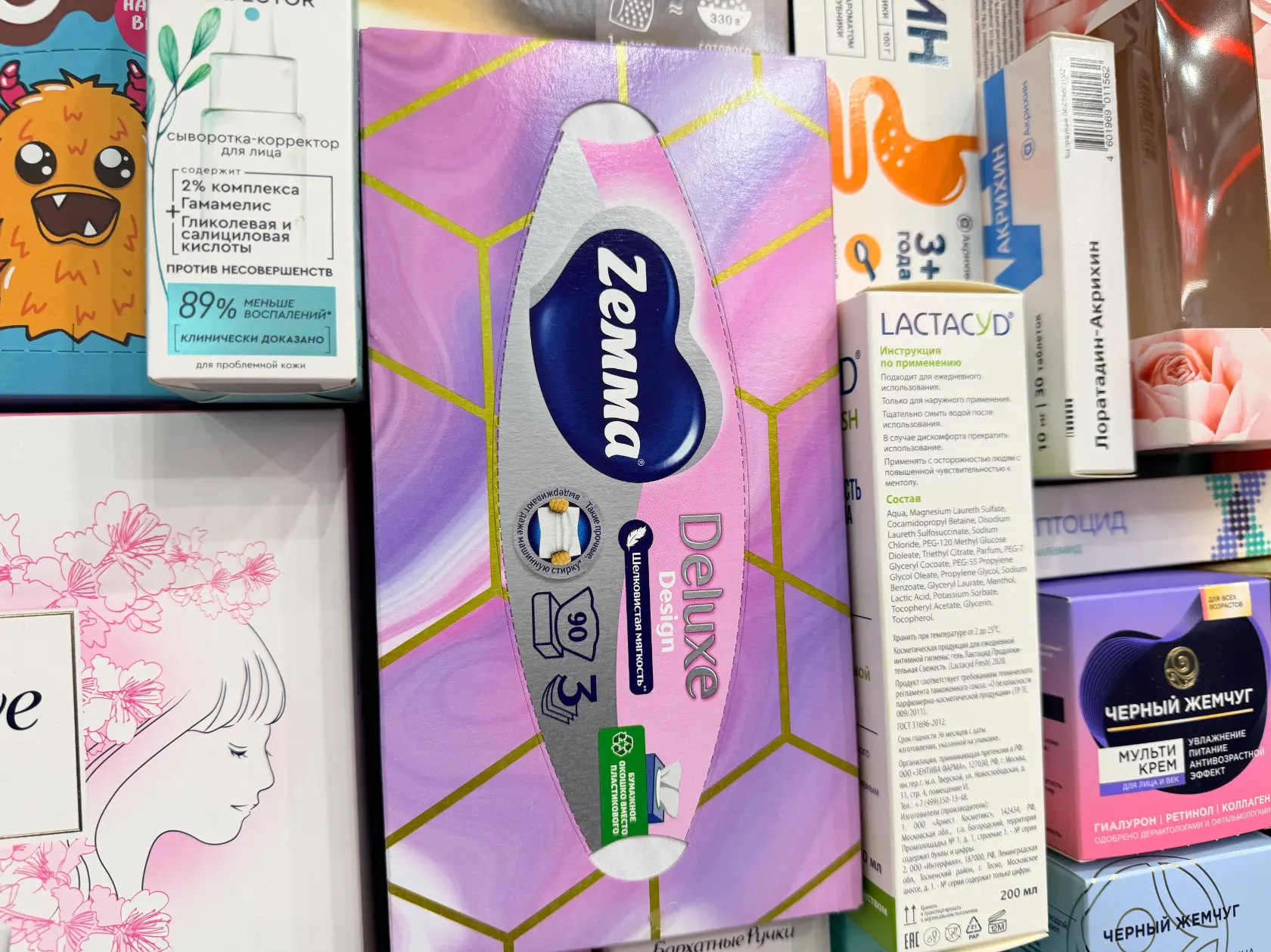
Perforation can create an easy-opening section on cartons, boxes, bags, and other packaging.
The consumer can tear along the perforated line without using scissors or a knife. This is particularly useful for convenience packaging and tear-open cartons.
2. Tear-Off Sections
Perforations are widely used for:
3. Folding Cartons
In packaging die making, perforation can be combined with cutting and creasing rules to create more functional carton structures.
A single die may contain:
This allows several operations to be completed in one die-cutting process.
Perforation vs. Cutting vs. Creasing
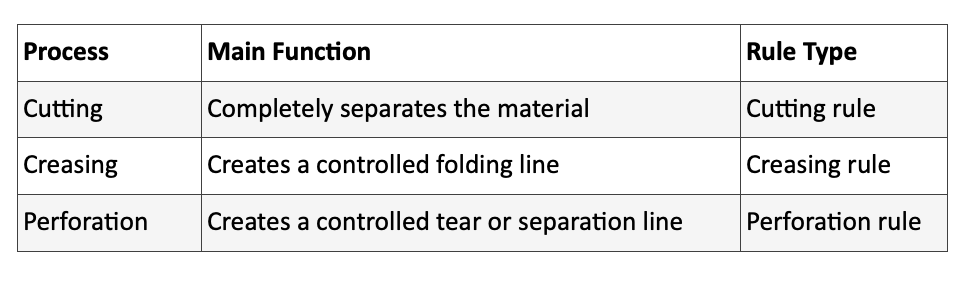
It is important to distinguish perforation from ordinary cutting and creasing.
How Does Perforation Work?
The basic principle is simple:
Cut + Gap = Controlled Tear
When the die-cutting press applies pressure, the teeth of the perforation rule penetrate the material. The gaps remain uncut, keeping the sheet or package together.
When force is later applied along the perforated line, the remaining material breaks progressively from one perforation to the next.
The performance of a perforation depends on several factors:
Therefore, there is no single perforation specification that is suitable for every application.
The rule and pitch should be selected according to the material and the required tear strength.

What Is Perforation Pitch?
Perforation pitch describes the repeating pattern of the cutting tooth and the gap.
For example, a perforation specification may be expressed as:
3 mm cut / 1 mm gap
This means that the rule cuts for 3 mm and then leaves a 1 mm uncut section before the next cutting section.
Changing the ratio between the cut and gap changes the strength of the perforated line.
Smaller gaps
A smaller gap generally creates a weaker tear line that is easier to separate.
Larger gaps
A larger uncut section generally provides greater strength and helps the package remain intact during handling and transportation.
However, the correct specification depends on the substrate and application. Perforation manufacturers provide different tooth-and-space combinations for different materials and applications.
What Machine is Used to Make Perforating Rules?
There are two common machine solutions for making perforation in die making:
Creasing Cutting Machines and Automatic Rule Bending Machines.
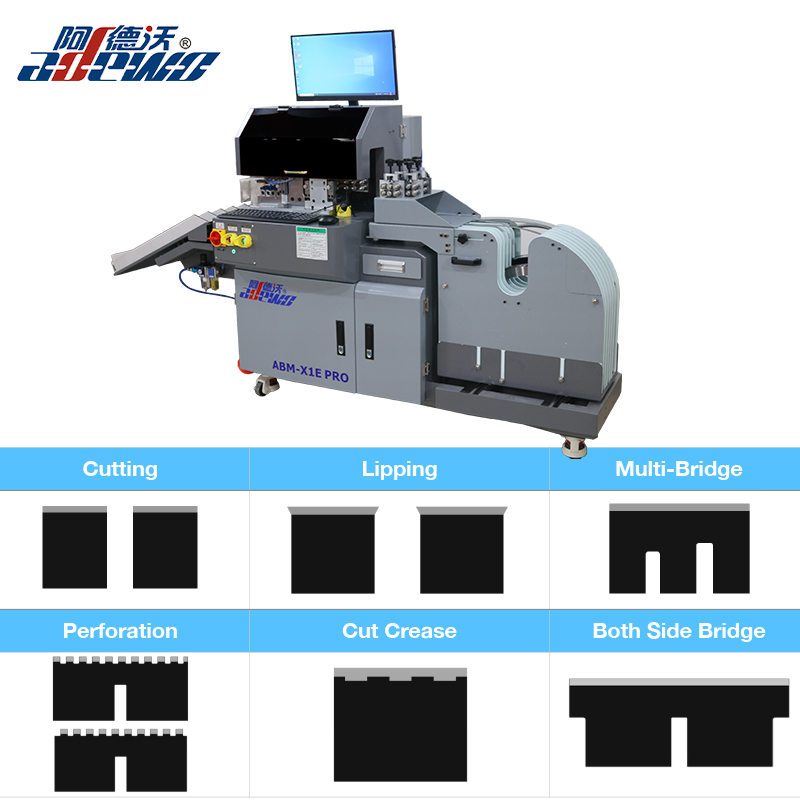
The ADEWO X1E PRO Creasing Cutting Machine is an ideal solution for making perforating rules in different widths and non-standard specifications.
Flexible Perforating Rule Sizes
The minimum perforation size is 1 mm.
With the X1E PRO software, operators can easily set the required processing width according to different production requirements.
A 1 mm perforation can be processed multiple times to produce wider specifications, such as 2 mm, 3 mm, 4 mm, and more.
For die-making companies that frequently use a specific size, customized perforating rule tools are also available.
For example, with a 3 mm perforation tool, the machine can process it multiple times to achieve 4 mm, 5 mm, 6 mm, and other required widths.
This provides die makers with greater flexibility without requiring a separate tool for every perforation specification.
More Than Just Perforating Rules
The X1E PRO is not limited to making perforating rules.
It can also be used to process Bridge and Lipping, making it a versatile tool for die-making applications.
With its flexible software settings, multiple tool options, and simple operation,
the ADEWO X1E PRO Creasing Cutting Machine is a practical solution for die-making companies that need to produce different specifications of perforating rules and other special die-making features.
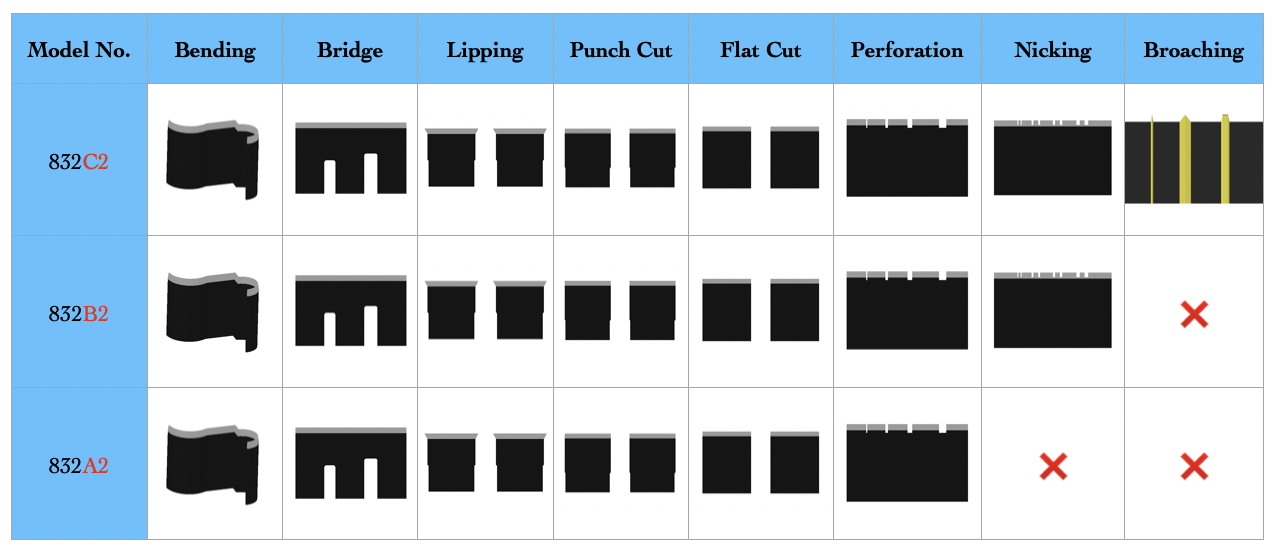
If the perforating rule needs to be bent into a specific shape after processing, an ADEWO Automatic Rule Bending Machine is highly recommended.
All models in the ADEWO 832 Series Automatic Rule Bending Machines can process perforating rules while also performing automatic bending,
providing an efficient solution for die makers who need both perforation processing and rule bending.
How to Choose the Right Automatic Rule Bending Machine?
If you are considering an automatic rule bending machine for making perforating rules, we recommend reading our article
“How to Choose the Right Automatic Rule Bending Machine?”
Besides processing perforating rules, ADEWO Automatic Rule Bending Machines offer many other functions, including Bending,Broaching,Nicking,Perforation,Bridge,Lipping and Cutting.
Choosing the right model according to your specific die-making requirements can help improve production efficiency and flexibility.
Need Help Choosing the Right Machine?
If you have any questions about perforating rules or die-making machines, please feel free to contact us.
Our team will be happy to understand your requirements and recommend the most suitable machine for your application.
Email: sales@china-adewo.com
Related Articles
What Is a Bridge in Die Making?
Copyright © 2022 Adewo Automation Equipment Co.,ltd. All rights Reserved.
Links Sitemap RSS XML Privacy Policy