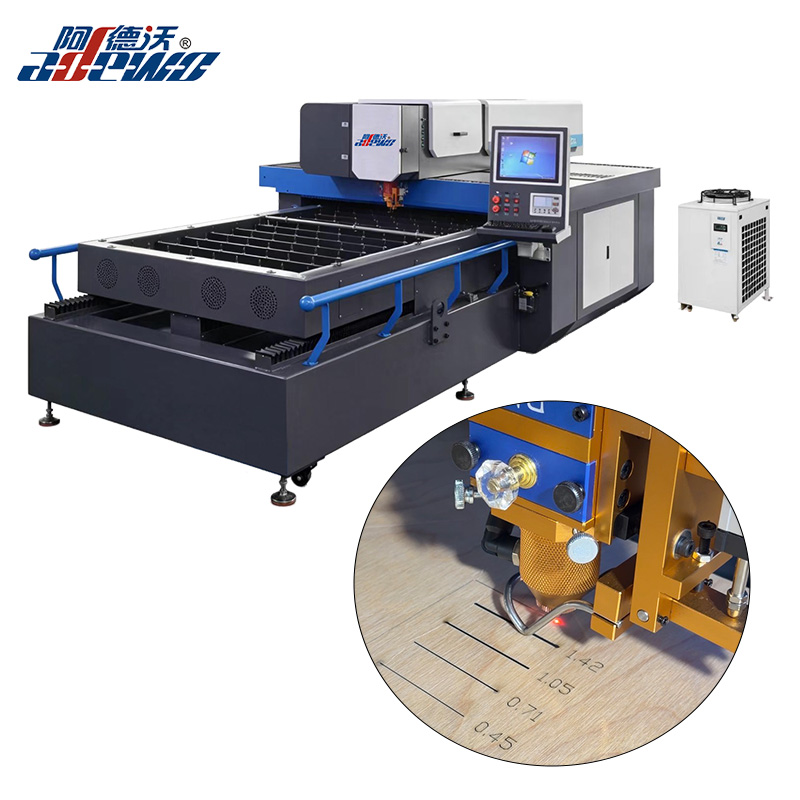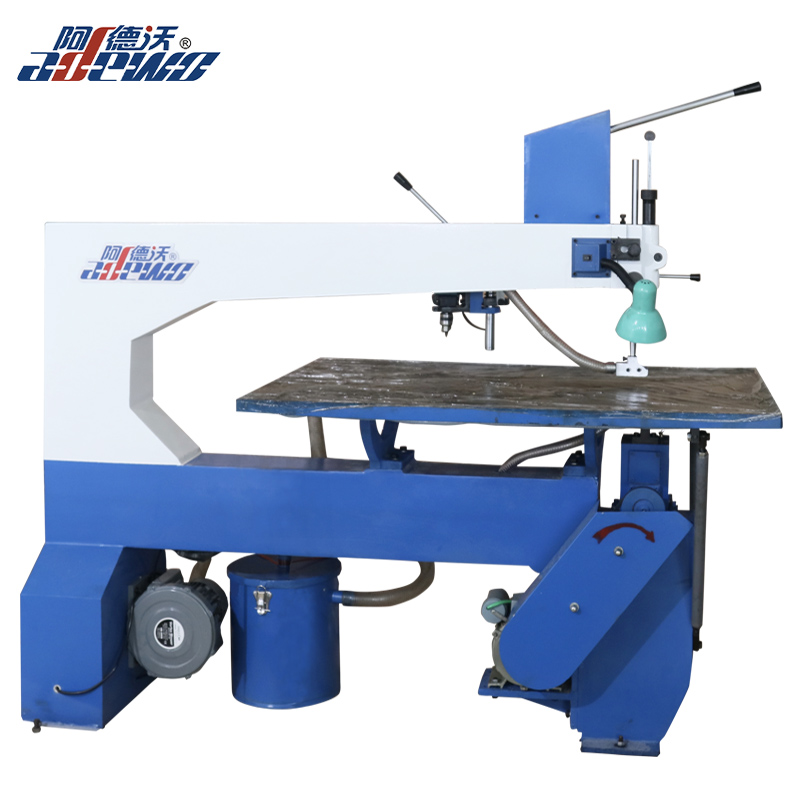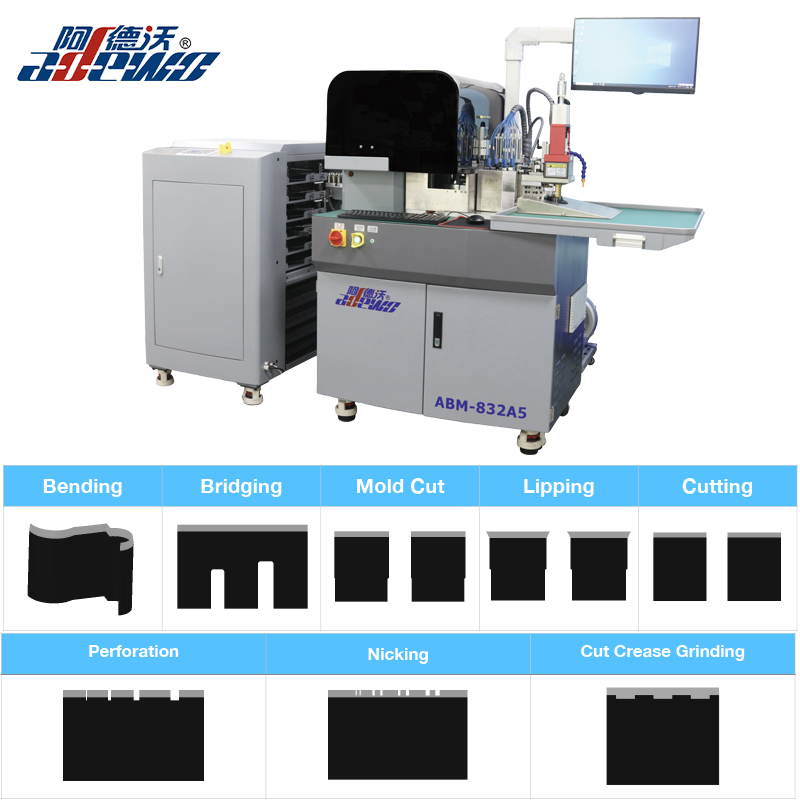

In modern fabrication, manufacturers are under pressure from every direction at once. Customers want tighter tolerances, faster lead times, cleaner weld seams, and more consistent quality from batch to batch. At the same time, labor costs continue to rise, operators are harder to train, and manual welding still leaves too much room for variation. That is exactly why more factories are turning to the Auto Welding Machine as a practical answer rather than a luxury upgrade. At Adewo Automation Equipment Co.,ltd., this shift is easy to understand: buyers are no longer searching for a machine that merely welds. They want a system that helps them reduce rework, control heat input, improve repeatability, and keep production moving with fewer interruptions.
Article Summary
This article explains how an Auto Welding Machine helps manufacturers overcome the most common welding pain points, including inconsistent quality, deformation, operator dependency, slow output, and rising maintenance costs. It also shows what buyers should evaluate before choosing equipment, which production scenarios benefit most from automation, and why long-term value depends on stability, usability, and support rather than headline specifications alone.
Table of Contents
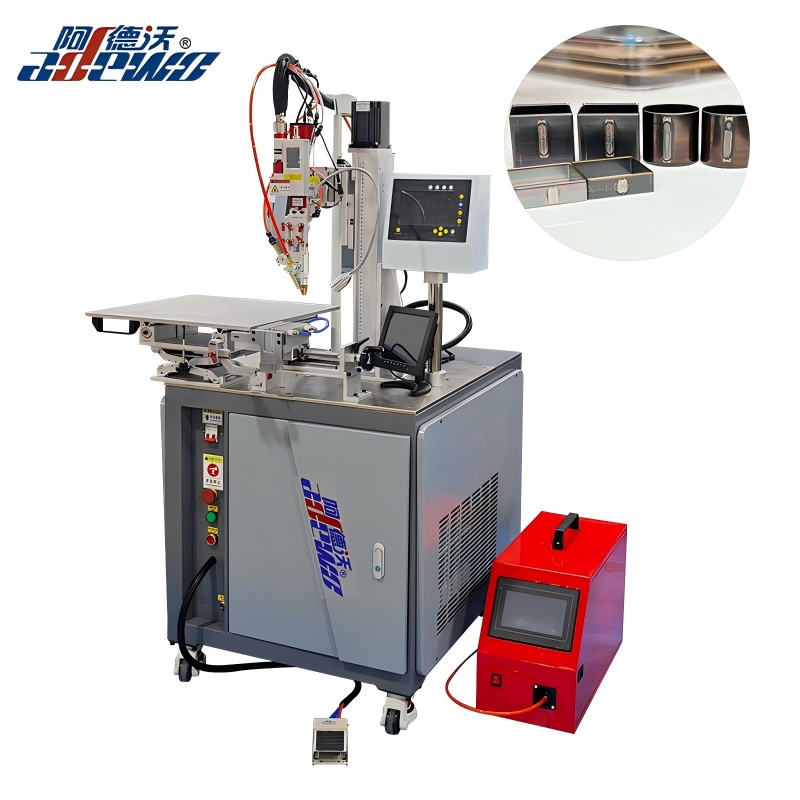
Many factories do not replace manual or semi-manual welding because they love the old process. They keep it because it feels familiar. But familiarity often hides waste. Once a production manager starts measuring defect rates, cleanup time, operator dependence, and downtime caused by inconsistent welds, the real cost becomes impossible to ignore.
Traditional welding setups often depend heavily on individual skill. A strong operator may deliver excellent results in the morning and slightly different ones near the end of a long shift. Another operator may use the same settings and produce visibly different joints. When weld quality changes from person to person, inspection pressure rises, rejection risk increases, and downstream assembly teams lose time correcting problems that should never have happened.
Heat distortion is another issue buyers repeatedly struggle with. If the welding process introduces too much heat or applies it unevenly, thin materials, precision parts, and shaped components can deform. That means more grinding, more fitting correction, more scrap, and more customer complaints. In applications where appearance matters as much as strength, a rough weld can quietly damage the perceived value of the finished product.
This is where the value of an Auto Welding Machine becomes much more concrete. It is not simply about replacing labor. It is about reducing variation, stabilizing output, and turning welding from an unpredictable craft step into a controlled production step.
The most common buyer pain points usually include:
Reliability in real production does not come from a flashy specification sheet. It comes from repeatable performance, intuitive control, and a process that operators can run with confidence day after day. A well-designed Auto Welding Machine helps achieve that by controlling variables that manual welding leaves exposed.
First, automation improves consistency. Once the welding path, power range, feed method, and process logic are set correctly, the machine can repeat them with far less deviation than a manual process. That repeatability matters most in jobs with tight tolerances, thin materials, and parts that must fit accurately in later assembly stages.
Second, a more controlled welding process can help reduce excess heat input. This matters because cleaner thermal control usually means less deformation, less discoloration, and less time spent fixing cosmetic or dimensional issues afterward. For buyers producing precision tooling, dies, labels, packaging components, or fine metal assemblies, that advantage can quickly become a deciding factor.
Third, usability matters. A machine may be technically advanced, but if programming is confusing or daily operation feels cumbersome, production teams will not get the benefit they paid for. Buyers increasingly prefer machines that combine automation with practical software, clear display systems, and settings that are straightforward to adjust. In other words, the ideal solution is not just precise. It is workable.
That is one reason so many buyers look beyond raw output and ask better questions: Can the machine handle different thicknesses? Is setup time reasonable? Can operators learn it quickly? Will it stay stable across long runs? A serious Auto Welding Machine should answer yes to all of those in real factory conditions, not only in a brochure.
| Production Need | What Buyers Usually Want | How Automation Helps |
|---|---|---|
| Stable weld quality | Less variation between batches and operators | Preset logic and repeatable process control reduce inconsistency |
| Cleaner finished parts | Less grinding, rework, and cosmetic correction | More controlled welding can reduce spatter, deformation, and uneven seams |
| Faster throughput | Higher output without sacrificing quality | Automation speeds up repetitive tasks and cuts manual intervention |
| Simpler operation | Shorter learning curve for operators | Smart interfaces and standardized workflows make training easier |
| Flexible application | Ability to adapt to different materials and product types | Adjustable settings support broader production requirements |
Buyers sometimes compare manual and automated welding only on machine price. That is the wrong comparison. A better question is this: what happens to production quality, labor efficiency, customer satisfaction, and delivery reliability over the next twelve to twenty-four months?
Manual welding still has a place in short runs, repair jobs, and highly variable tasks. But when the work is repetitive, quality-sensitive, or labor-intensive, automation begins to shift the economics. The gap becomes even clearer when a factory is trying to scale output without letting quality drift.
| Factor | Manual Welding | Auto Welding Machine |
|---|---|---|
| Process consistency | Highly dependent on operator skill and condition | More repeatable once parameters are set correctly |
| Training demand | Longer time to build operator proficiency | More standardized operation lowers dependence on individual technique |
| Production speed | Often slower in repetitive tasks | Better suited for continuous and repeat production |
| Rework rate | More likely to fluctuate | Usually easier to control and reduce |
| Appearance control | Can vary from one piece to the next | Helps produce more uniform weld seams |
| Scalability | Limited by labor availability and skill level | More suitable for expansion with stable quality targets |
So the decision is rarely about replacing one method with another in every situation. It is about assigning the right process to the right task. In factories where the same weld is repeated again and again, an Auto Welding Machine is often the more rational choice because it gives management more control over output, quality, and planning.
Choosing equipment becomes much easier once buyers stop asking for the “best” machine and start asking for the “best-fit” machine. The right choice depends on product type, required weld quality, material characteristics, available operators, and expected production volume.
Before sending an inquiry, I would always recommend reviewing the following questions internally:
Smart buyers also look closely at what happens after installation. A machine may look impressive in a video, but the real test comes during setup, adjustment, maintenance, and problem-solving. If support is weak, even good hardware becomes frustrating. That is why the supplier itself matters almost as much as the machine. A dependable partner should be able to explain application matching, recommend workable configurations, and support the buyer after delivery instead of disappearing once payment is complete.
When evaluating a supplier such as Adewo Automation Equipment Co.,ltd., buyers are often looking for more than a catalog. They want practical guidance, responsive communication, and equipment that has been developed around real industrial use rather than abstract lab conditions.
Not every production environment needs the same kind of welding solution, but many industries share the same operational pressure: faster output with tighter quality control. That is why automated welding continues to attract attention across precision manufacturing environments.
An Auto Welding Machine is especially valuable when the product involves repeated weld points, controlled seam quality, small dimensional tolerances, or a need to keep post-processing to a minimum. In those cases, automation is not just convenient. It becomes a tool for protecting both quality and margin.
| Application Scenario | Typical Challenge | Why Automation Helps |
|---|---|---|
| Die making and precision tooling | Small parts can deform easily and require neat weld quality | Controlled welding reduces risk of distortion and supports fine work |
| Label and packaging die work | Repetitive welding steps slow down manual production | Automation improves rhythm and consistency across repeat jobs |
| Thin metal component fabrication | Manual heat control can be difficult | More stable process settings help reduce excessive thermal impact |
| Small-batch plus multi-model production | Frequent changeovers can waste time | Smart programs and easier adjustment support flexible operation |
| Export-focused manufacturing | Customers expect repeatability and clean appearance | Automation supports more uniform output and fewer quality disputes |
Buyers who serve demanding overseas markets often feel the pressure most sharply. A minor weld defect that seems acceptable in-house can become a rejected shipment or a credibility problem once the product reaches the end customer. That is why more exporters now treat welding stability as part of their commercial strategy, not just a workshop issue.
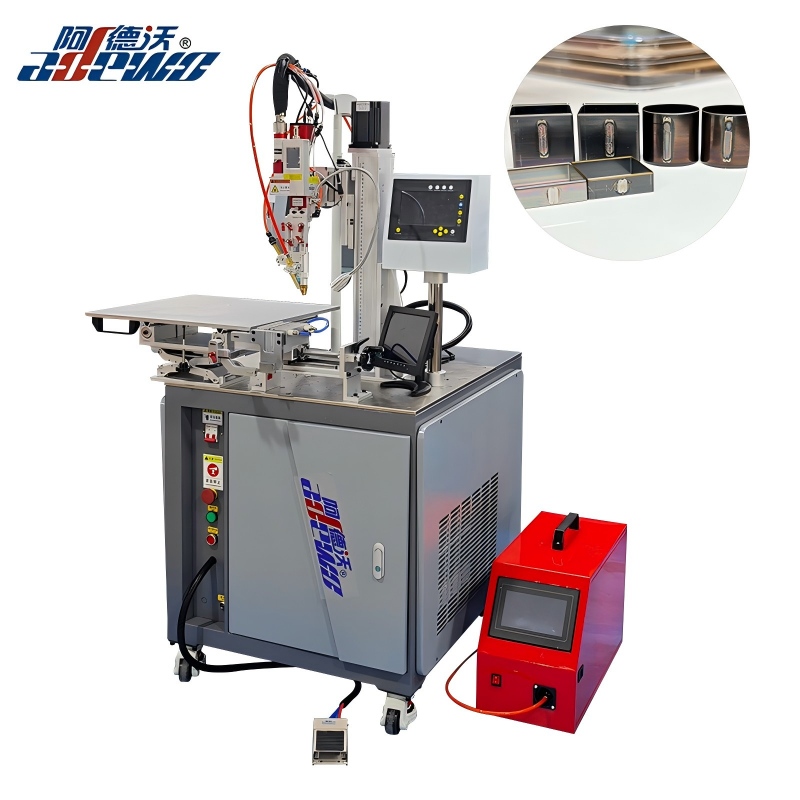
The purchase price of a machine is visible. The cost of inefficiency is not. That invisible cost appears in labor pressure, scrap, delays, overtime, inconsistent output, and customer claims. Over time, those losses usually outweigh the difference between a cheaper machine and a better one.
A strong Auto Welding Machine can help reduce hidden costs in several ways. If weld quality becomes more stable, the inspection team spends less time chasing defects. If part deformation drops, assembly becomes smoother. If setup is more intuitive, operator training takes less time. If rework declines, delivery planning becomes easier and margin becomes healthier.
This is why experienced buyers rarely chase low price alone. They want equipment that holds up under production pressure and keeps paying back in the form of stability. When viewed from that angle, automation is not simply a capital expense. It is a way to protect production capacity and reduce avoidable waste.
What is the biggest advantage of an Auto Welding Machine in daily production?
For most buyers, the biggest advantage is repeatability. A more standardized process helps reduce variation, improve weld appearance, and support stable output over long production runs.
Is an Auto Welding Machine only suitable for large factories?
Not at all. It can also be valuable for small and medium-sized manufacturers, especially when they produce repeat jobs, precision components, or export orders where quality consistency matters.
Can automation really reduce rework?
In many applications, yes. When welding parameters are better controlled, factories often see fewer defects related to uneven seams, overheating, or operator inconsistency.
What should I prepare before requesting a quotation?
It helps to provide material type, thickness range, product drawings or photos, expected output, preferred welding method, and any specific quality concerns. That makes equipment matching much more accurate.
Should I focus more on machine price or long-term value?
Long-term value is usually the smarter benchmark. A lower-priced machine can become expensive if it creates downtime, inconsistent welds, or weak after-sales support.
Why does supplier support matter so much?
Because installation, setup, process adjustment, and troubleshooting all affect actual performance. Good support helps the machine deliver the results you expected when you bought it.
If your factory is dealing with unstable weld quality, repeated correction work, delivery pressure, or rising labor dependence, it may be time to look at the process more honestly. In many cases, the issue is not the team’s effort. It is the limitation of a workflow that no longer matches the production target. A capable Auto Welding Machine can help close that gap by bringing more consistency, more efficiency, and more control into the welding stage.
The right machine should not only weld well. It should fit your products, reduce your daily friction, and support the way your factory actually runs. That is why choosing the right supplier matters just as much as choosing the right model. Adewo Automation Equipment Co.,ltd. understands that buyers need more than equipment on paper. They need a practical solution that works under real production pressure.
If you are comparing options for your next Auto Welding Machine project, now is the right time to take the next step. Share your product details, material requirements, or production challenges with us, and let us help you identify a more suitable solution for your application. Contact us today to discuss specifications, request a quotation, and find the welding setup that fits your factory with confidence.