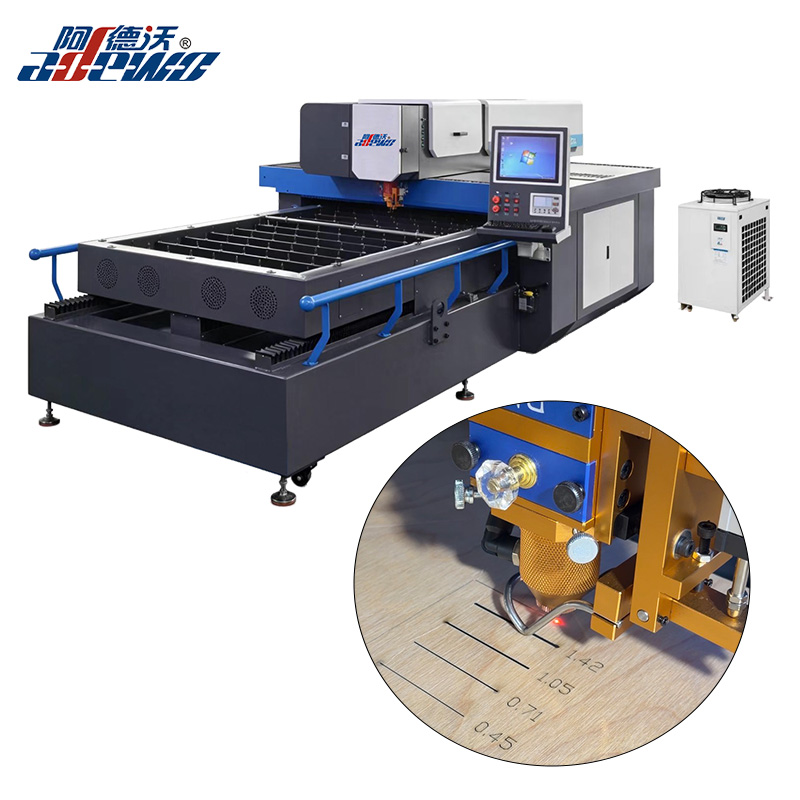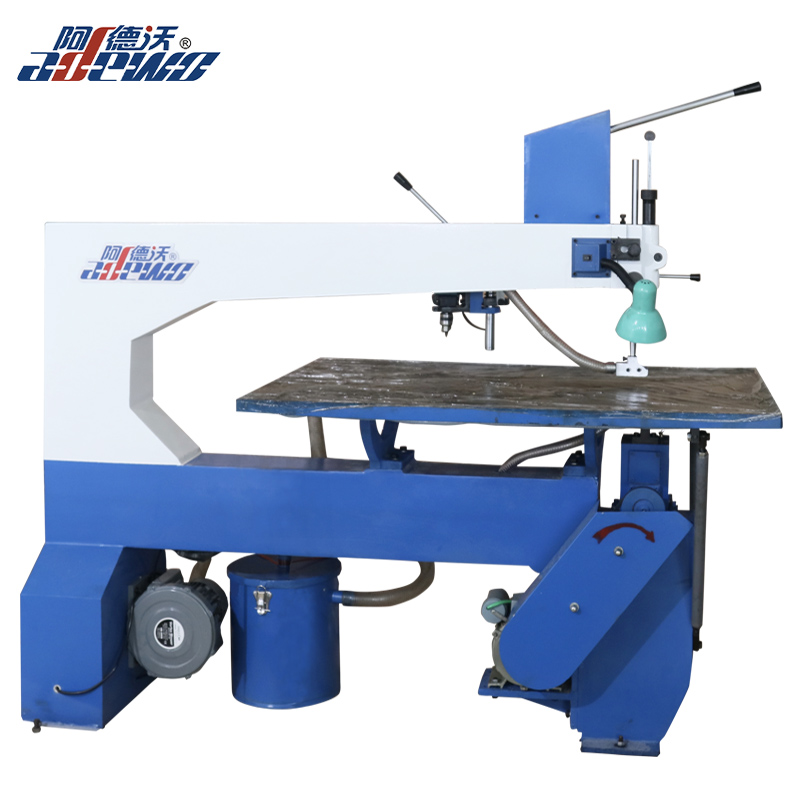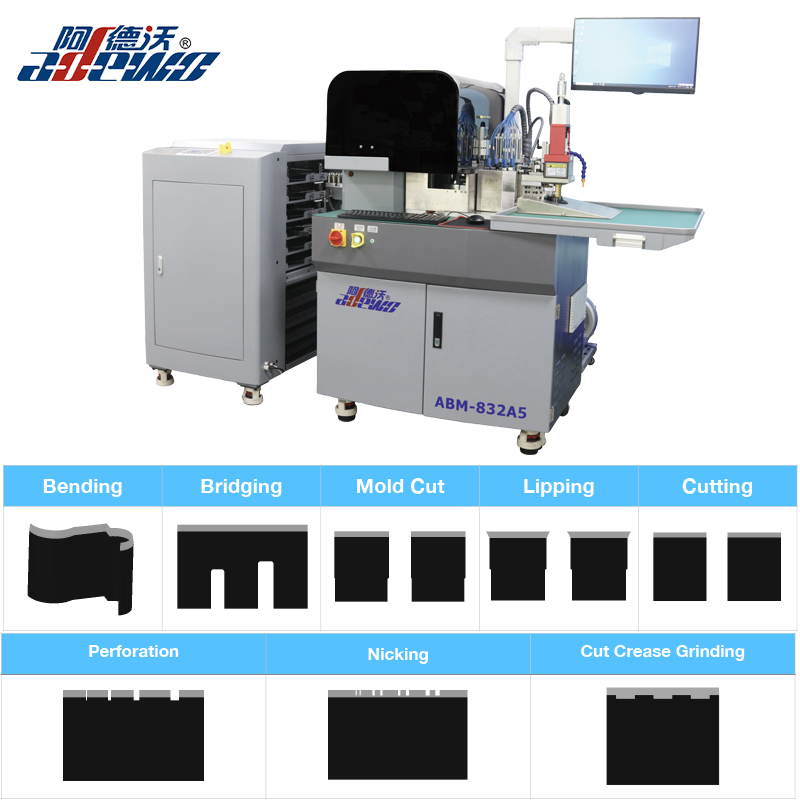

When buyers compare die cutting performance, they often focus on machines first and materials second. I understand that instinct, because equipment is visible, expensive, and easy to compare on paper. But in real production, the result is usually decided by what happens around the machine: the rule, the punches, the hammer, the table, the handle system, and the supporting die making components that hold consistency together. That is exactly why Die Making Materials deserve a much more serious evaluation.
In my experience, poor material selection creates a chain reaction. Creasing becomes unstable, cutting lines lose accuracy, setup takes longer, replacement frequency increases, and operators start making adjustments that should never have been necessary in the first place. A professional supplier such as Adewo Automation Equipment Co.,ltd. understands this practical side of production, because the value of materials is not theoretical. It shows up in waste rates, rework, downtime, and customer complaints.
This article is written for buyers, converters, packaging manufacturers, and die shops that want to reduce hidden production losses. If you are trying to choose Die Making Materials more intelligently, the goal here is simple: make the buying process clearer, more practical, and more connected to the performance you actually need on the shop floor.
Die Making Materials are not just supporting accessories. They directly influence cutting precision, creasing quality, operator efficiency, die durability, maintenance rhythm, and total production cost. In this article, I explain what buyers should evaluate before ordering, how different materials affect output stability, which mistakes commonly lead to waste, and how to match materials with real application demands instead of buying on price alone.
Many production teams do not discover a material problem at the purchasing stage. They discover it later, when the die is harder to assemble, when rules do not sit cleanly, when creasing depth becomes inconsistent, or when replacement cycles arrive sooner than planned. That delay is exactly what makes the issue expensive. The original order may have looked cost-effective, but the shop floor pays the real difference.
I have seen this happen in a familiar pattern. A buyer chooses lower-cost components because the specification looks acceptable. The first production run is usable. Then repeat orders begin. Operators spend more time correcting alignment. More manual pressure is needed during assembly. Cutting edges wear unevenly. The die performs, but not comfortably, not consistently, and not for as long as it should. That is when Die Making Materials stop looking like a small line item and start looking like a production variable.
If your output depends on repeat precision, then your materials are part of your quality control system. Treating them as generic supplies is one of the most common reasons buyers end up spending more later.
A better buying decision starts with better evaluation criteria. I do not recommend choosing Die Making Materials based only on catalog appearance or headline pricing. Buyers usually need to compare materials through four practical lenses: consistency, compatibility, durability, and support.
| Evaluation Point | Why It Matters | What To Check |
|---|---|---|
| Consistency | Stable production depends on predictable material behavior from batch to batch. | Uniform finish, reliable dimensions, repeatable hardness, and quality control habits. |
| Compatibility | Materials must work smoothly with your dies, boards, tools, and workflow. | Fit with existing systems, ease of assembly, and application suitability. |
| Durability | Longer service life lowers replacement frequency and reduces interruptions. | Wear resistance, structural strength, and field performance over time. |
| Supplier Support | Good support prevents wrong selections and improves order confidence. | Technical response speed, product guidance, packaging reliability, and after-sales communication. |
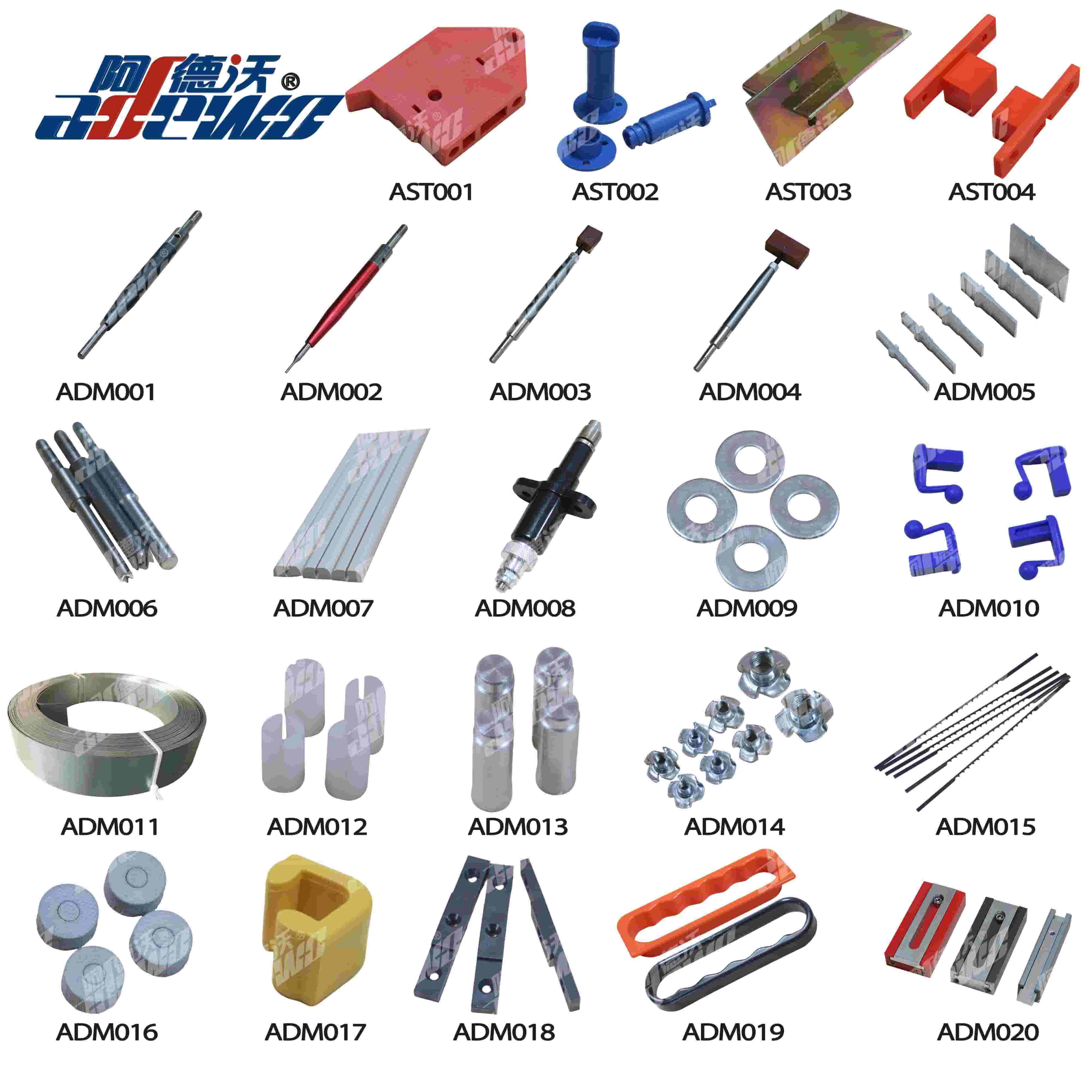
I also recommend checking whether the supplier understands how different items work together. That matters because Die Making Materials are rarely used in isolation. Punches, handles, marble tables, hammers, and related accessories are all part of a working system. If the supplier only sells products but does not understand workflow, the buyer is left to solve integration problems alone.
This is where buyers can gain a real advantage. Instead of asking only whether a product is available, ask what the product helps you improve. Better materials usually show their value in three measurable ways: cleaner results, faster working rhythm, and longer usable life.
Precision matters because a die that performs unevenly forces compensation elsewhere. Operators start adjusting pressure, alignment, or replacement timing to rescue the job. That makes the process more dependent on operator experience and less dependent on stable tooling. Good Die Making Materials reduce that uncertainty.
| Production Goal | How Better Materials Help | Likely Benefit |
|---|---|---|
| Cleaner cutting | Improved structural consistency and better application fit | Reduced edge defects and less rework |
| Stable creasing | More predictable material response during setup and operation | Better fold quality and fewer downstream issues |
| Faster assembly | Easier handling and smoother compatibility with die shop processes | Shorter setup time and lower labor strain |
| Longer die life | Higher durability under repeated production cycles | Lower replacement cost and less downtime |
Speed is another overlooked factor. Buyers often separate purchase cost from labor cost, but production does not. If materials are easier to handle, easier to fit, and more predictable in use, you save time every day. Over weeks and months, that often matters more than a small discount on the order value.
Service life completes the picture. Materials that stay reliable longer reduce emergency purchasing, unexpected maintenance, and missed delivery schedules. That is why experienced buyers do not ask only, “How much does it cost?” They also ask, “How long does it keep performing without creating extra work?”
The most expensive buying mistakes are rarely dramatic. They usually look reasonable at first. That is what makes them dangerous. Below are the ones I see most often when companies source Die Making Materials.
These mistakes are common because they come from reasonable pressure. Buyers want to save cost, simplify sourcing, and move quickly. I get that. But with Die Making Materials, a rushed decision usually creates hidden operational cost instead of real savings.
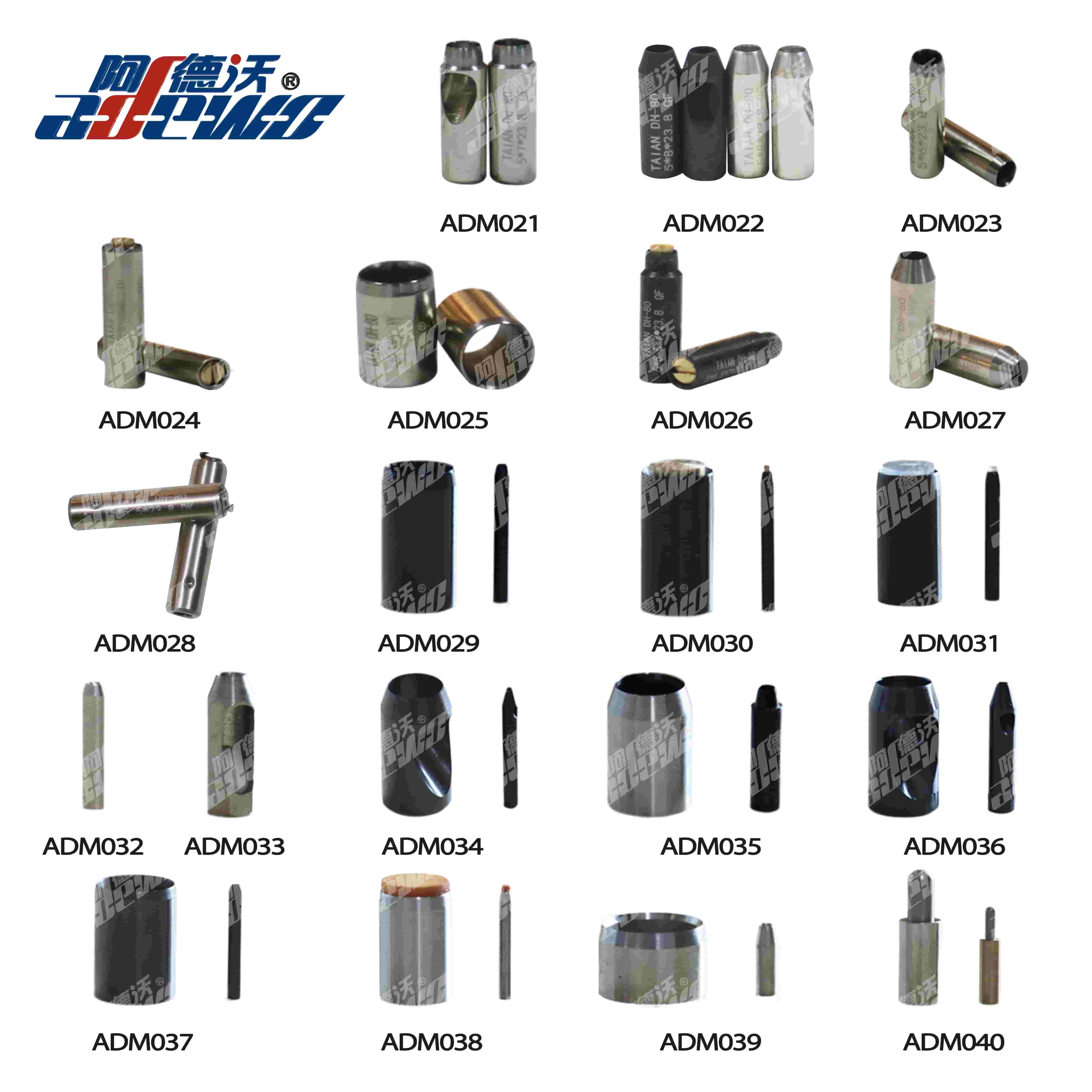
The safest approach is to match materials to production reality, not just to catalog labels. Start with your actual output goals. Are you prioritizing precision? High-volume durability? Faster manual assembly? Lower rejection rates? Better support for complex packaging structures? Once you know the real priority, material selection becomes much easier.
I prefer using a simple decision framework:
For example, if your issue is repeated manual adjustment, then ease of handling and consistency may matter more than chasing the lowest purchase price. If your issue is replacement frequency, then durability becomes the priority. If your issue is output quality for premium packaging, then precision and repeatability should lead the decision.
This is where a supplier like Adewo Automation Equipment Co.,ltd. can be useful when the conversation goes beyond “What do you sell?” and moves into “What fits my production best?” That difference matters. It turns procurement into a performance decision rather than a basic transaction.
A good supplier should be able to answer more than availability and lead time. Before placing an order for Die Making Materials, I would ask questions like these:
These questions reveal two things quickly: whether the supplier understands the product, and whether they understand the buyer’s process. That is important because the best sourcing relationship is not just about getting goods shipped. It is about getting materials that work the way your production line needs them to work.
What are Die Making Materials used for?
They are used to support die manufacturing and die cutting operations, including assembly, handling, impact work, precision support, and other practical functions that affect cutting and creasing performance.
Why are Die Making Materials so important if the machine is already advanced?
Because even advanced equipment cannot fully compensate for inconsistent or unsuitable supporting materials. Materials influence setup quality, repeatability, wear, and daily efficiency.
Should I always choose the lowest-priced option?
Not if long-term cost matters. A lower purchase price can lead to higher waste, more downtime, faster replacement, and more labor hours.
How can I know whether a material matches my production?
Start with your application, output requirements, and most frequent production pain points. Then compare materials based on performance fit rather than on description alone.
Can one supplier handle both equipment and supporting materials?
In many cases, that is helpful because it improves compatibility and simplifies communication, especially when you need practical recommendations instead of isolated product quotes.
If you want more stable output, fewer production surprises, and better long-term value, it is worth reviewing your current material choices with fresh eyes. The strongest buyers are not the ones who simply pay less at the time of ordering. They are the ones who build a more reliable process from the start. That is the real advantage of choosing Die Making Materials carefully.
If you are comparing options and want practical guidance instead of generic sales language, now is the right time to review your requirements with a supplier that understands the real demands of die production. To discuss suitable Die Making Materials for your application, improve production consistency, and receive a solution that fits your workflow, contact us and start the conversation with Adewo Automation Equipment Co.,ltd.