
In die-cutting and post-press production, small tooling components often decide whether a job runs smoothly or turns into a daily source of waste, downtime, and operator frustration. This article explains how Stripping Accessories support cleaner scrap removal, steadier sheet handling, and more consistent output. It also breaks down the common buying concerns behind durability, fit, maintenance, and value, so manufacturers, converters, and packaging producers can make more confident decisions. Drawing on real workshop needs and practical selection logic, this guide shows how the right accessory setup can improve speed without sacrificing control.
Buyers rarely complain about stripping performance because of one dramatic failure. More often, the trouble comes from a chain of small problems that slowly eat away at efficiency. Scrap does not release cleanly. Sheets lift unevenly. Fine bridges break at the wrong time. Operators pause to adjust parts that should have worked correctly from the beginning. The result is familiar: lower speed, more manual intervention, and a finished job that looks far less controlled than it should.
In fast-moving packaging, label, carton, and die-board work, every repeated interruption adds cost. When an accessory wears too quickly, does not match the tooling design, or cannot hold stable performance under pressure, the line pays for it several times. It pays in wasted material, in labor, in delayed delivery, and in customer confidence.
This is exactly why experienced workshops do not treat these components as minor add-ons. They know that the success of a stripping operation is often decided by details that appear small on paper but act as force multipliers on the shop floor.
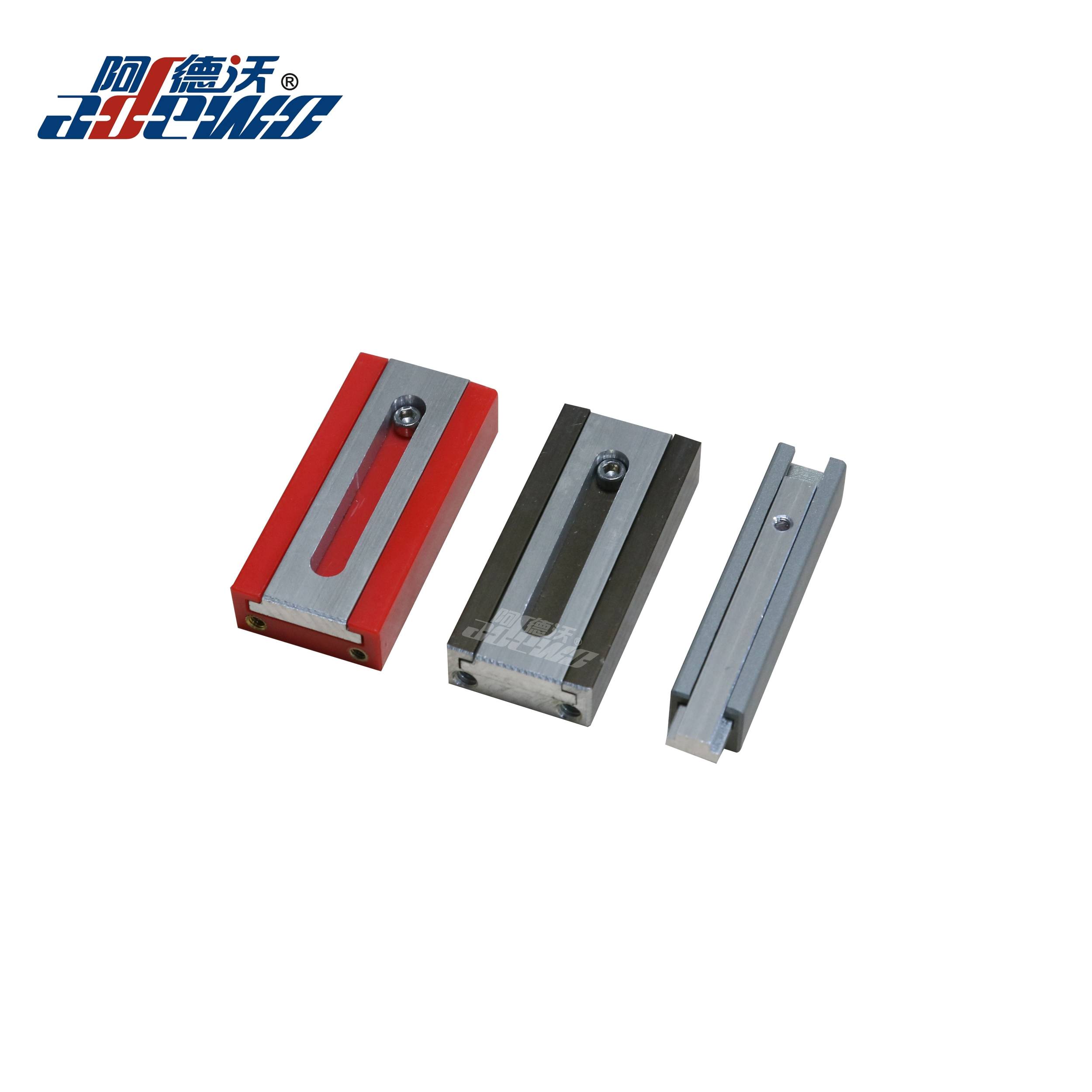
Stripping Accessories are the supporting components used to help separate waste from usable blanks during die-cutting and converting processes. Their job is not glamorous, but it is crucial. They help direct force, support motion, manage contact, and improve the reliability of scrap removal across repeated runs.
When selected properly, these accessories help transform a stripping section from a sensitive trouble point into a stable, repeatable part of production. They support accuracy where alignment matters, resilience where repeated impact matters, and consistency where product quality matters.
For buyers, the practical value is simple. Good Stripping Accessories help reduce production friction. That means fewer stoppages, cleaner separation, lower wear-related waste, and stronger confidence during longer runs. For a factory serving multiple customers and short lead times, that difference is not cosmetic. It directly affects throughput and delivery performance.
This is also where a company like Adewo Automation Equipment Co.,Ltd becomes relevant in the buying process. A supplier that understands the realities of die-making and converting work is more likely to offer components that fit real operating conditions instead of generic parts that only look acceptable in a catalog.
Many buyers start with price, and that is understandable. But price alone is a weak filter when the component will be used in repetitive, accuracy-dependent production. A cheaper part that wears early or performs inconsistently usually becomes the more expensive option in actual use.
A better purchasing approach is to compare the factors that affect long-term performance and ease of use.
| Selection Factor | Why It Matters | What Buyers Should Ask |
|---|---|---|
| Material quality | Influences wear resistance, stability, and service life | Will it keep shape and performance under repeated stress? |
| Dimensional accuracy | Affects fit, installation, and stripping consistency | Are tolerances suitable for precise die applications? |
| Application compatibility | Different jobs require different accessory behavior | Is it designed for my board, paper, sheet, or packaging workflow? |
| Replacement convenience | Reduces downtime during maintenance and changeovers | Can operators install and replace it quickly? |
| Supplier support | Helps solve fit and usage issues before they become losses | Can the supplier guide selection based on the actual job? |
| Cost over service life | More important than initial unit price | What is the real cost after wear, waste, and replacement frequency? |
Buyers who compare these points tend to make better long-term decisions. They are not just purchasing a part. They are buying predictability, less operator frustration, and more stable output.
The exact configuration depends on the production method, die design, substrate, and job volume, but the working logic is usually similar. Different accessories support positioning, lifting, pressing, holding, or scrap release at different stages of operation.
In practical terms, buyers often look for accessory categories that help them solve one of two problems: either the waste does not separate cleanly, or the usable blank does not remain stable enough during the process.
Good Stripping Accessories do not need to be complicated. They need to be dependable. The right choice is the one that works cleanly with your die structure, your substrate behavior, and your production rhythm.
The most obvious improvement is cleaner scrap separation, but that is only part of the story. Once the stripping setup becomes more dependable, the surrounding process also improves. Operators spend less time compensating for unstable behavior. Machine rhythm becomes easier to maintain. Finished work looks more consistent from first sheet to last sheet.
Buyers often notice four benefits once they stop using poorly matched accessories:
| Operational Gain | How It Shows Up in Production | Why Buyers Care |
|---|---|---|
| Cleaner waste removal | Less hanging scrap and fewer imperfect separations | Improves finish quality and lowers rework |
| Higher line stability | Fewer pauses for adjustment or manual correction | Supports predictable delivery schedules |
| Better repeatability | More consistent results across long runs | Protects brand standards and customer satisfaction |
| Lower hidden labor cost | Operators spend less time managing avoidable problems | Helps teams focus on production instead of rescue work |
This is why serious buyers do not separate tooling quality from business performance. On paper, accessories may look like a minor budget line. In production reality, they influence output, speed, defect rate, and workload all at once.
The biggest mistake is assuming that all accessories with a similar name will perform the same way. They will not. Differences in processing quality, material consistency, edge finish, dimensional precision, and working life can produce very different results once the parts are under real production pressure.
Another common mistake is ordering only by habit. A workshop may continue buying the same part because it is familiar, even when operators quietly complain about wear, fit, or setup time. That habit keeps losses invisible because the problem feels normal.
Buyers should also be careful with incomplete product communication. If the supplier does not clearly understand the job type, machine condition, expected output, and performance pain points, the recommended accessory may be only partially suitable. A partially suitable solution is often the most frustrating one because it almost works.
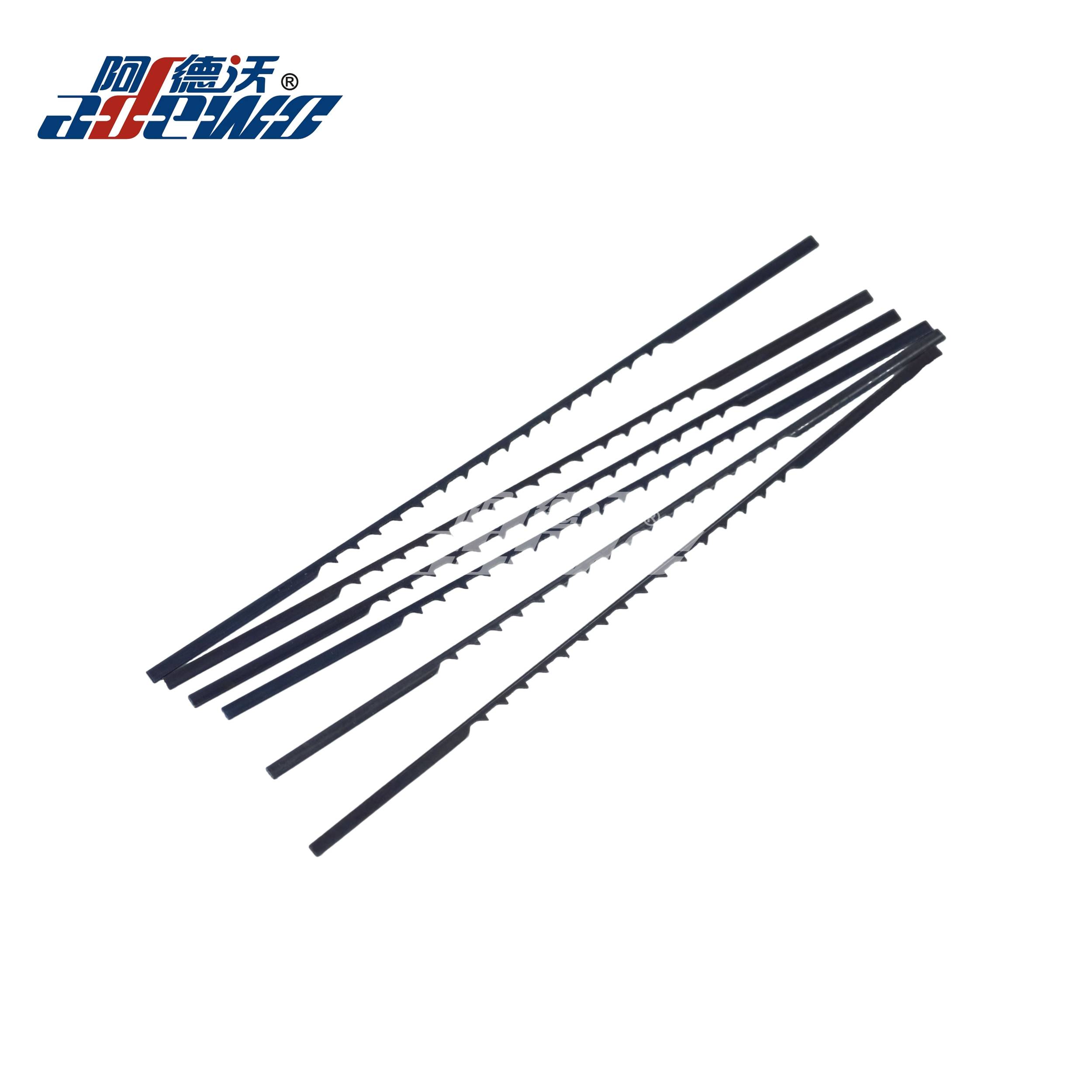
A dependable supplier should do more than ship parts. They should understand how those parts behave in real die-making and converting environments. That means being able to discuss application fit, recommend suitable options, maintain reasonable product consistency, and respond clearly when buyers need to troubleshoot an issue.
Strong suppliers also make purchasing easier by keeping product information organized and understandable. Buyers do not want to guess whether an accessory matches their use case. They want straightforward communication, stable quality, and the confidence that reorders will not suddenly behave differently from previous batches.
For this reason, many buyers prefer to work with manufacturers that cover both equipment and accessory needs in related production fields. It creates a stronger chance that the supplier understands the workflow around the accessory, not just the item itself. When evaluating Stripping Accessories, that broader manufacturing perspective can be a real advantage.
Adewo Automation Equipment Co.,Ltd is a name worth noticing in this conversation because buyers looking at stripping-related components often want a partner familiar with die-making equipment and workshop application logic, not just a trader moving catalog items from one list to another.
Do Stripping Accessories really affect productivity that much?
Yes. When these components are poorly matched or wear too quickly, the line slows down through repeated minor disruptions. Better accessories reduce those interruptions and support more consistent running.
Which buyer concern is usually more important than price?
Service life and performance stability are usually more valuable than the lowest initial quote. A cheaper part can become costly if it increases waste, downtime, or replacement frequency.
Is it better to buy standard accessories or ask for application guidance?
If your production has recurring stripping issues, guidance is the better route. Standard parts may work, but application-based recommendations usually bring stronger long-term results.
How often should accessories be reviewed or replaced?
That depends on workload, material type, operating speed, and part quality. The practical rule is simple: review them before wear starts affecting output quality, not after defects become visible.
Can one supplier help simplify repeat purchasing?
Absolutely. A stable supplier relationship often means better consistency, easier communication, and faster resolution when technical questions come up during production.
If your team is dealing with unstable scrap removal, unnecessary stoppages, or accessories that never seem to last as long as promised, the issue may not be your operators or your machine rhythm at all. It may simply be time to improve the components doing the quiet work behind the process.
Better Stripping Accessories help turn messy, unpredictable production into cleaner and more controlled output. They support the kind of performance that customers may never see directly, but they will absolutely notice in product consistency, lead time reliability, and finished quality.
If you are looking for dependable stripping solutions backed by real die-making experience, Adewo Automation Equipment Co.,Ltd is ready to help you evaluate the right option for your production needs.
Want cleaner stripping, smoother operation, and accessories that match your actual workflow instead of forcing your workflow to adapt? Contact us today to discuss your application, request product details, and find a more practical solution for your next order.