In die-cutting and post-press production, small tooling components often decide whether a job runs smoothly or turns into a daily source of waste, downtime, and operator frustration.
In modern fabrication, manufacturers are under pressure from every direction at once. Customers want tighter tolerances, faster lead times, cleaner weld seams, and more consistent quality from batch to batch.
When buyers compare die cutting performance, they often focus on machines first and materials second. I understand that instinct, because equipment is visible, expensive, and easy to compare on paper.
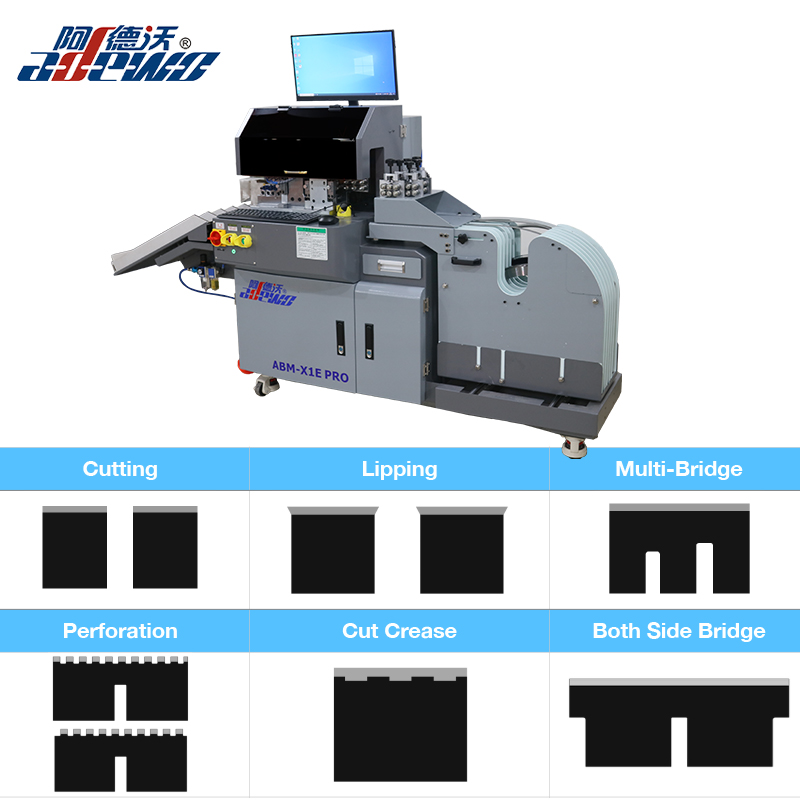
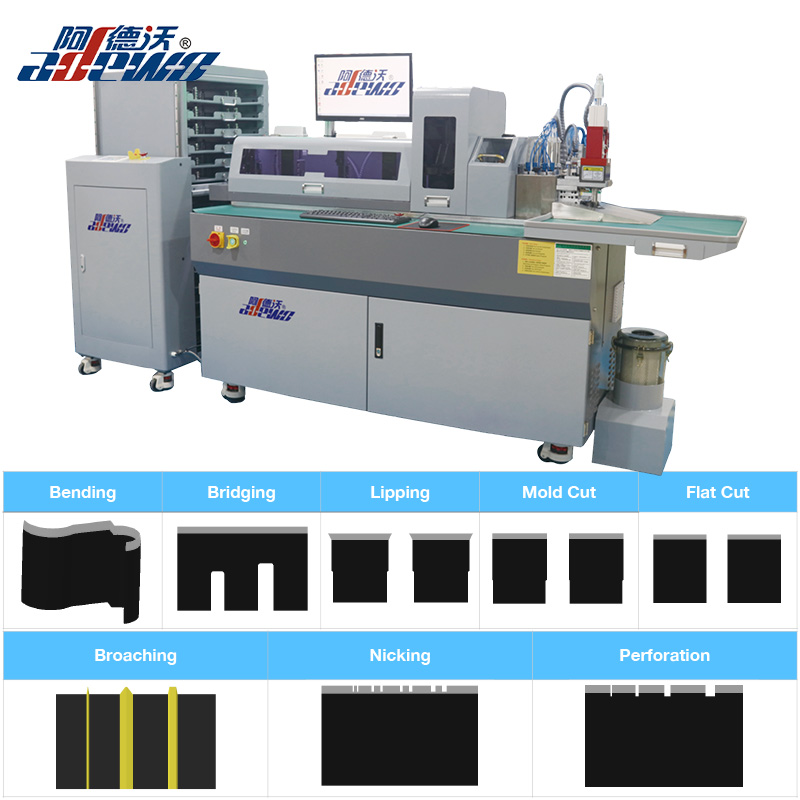
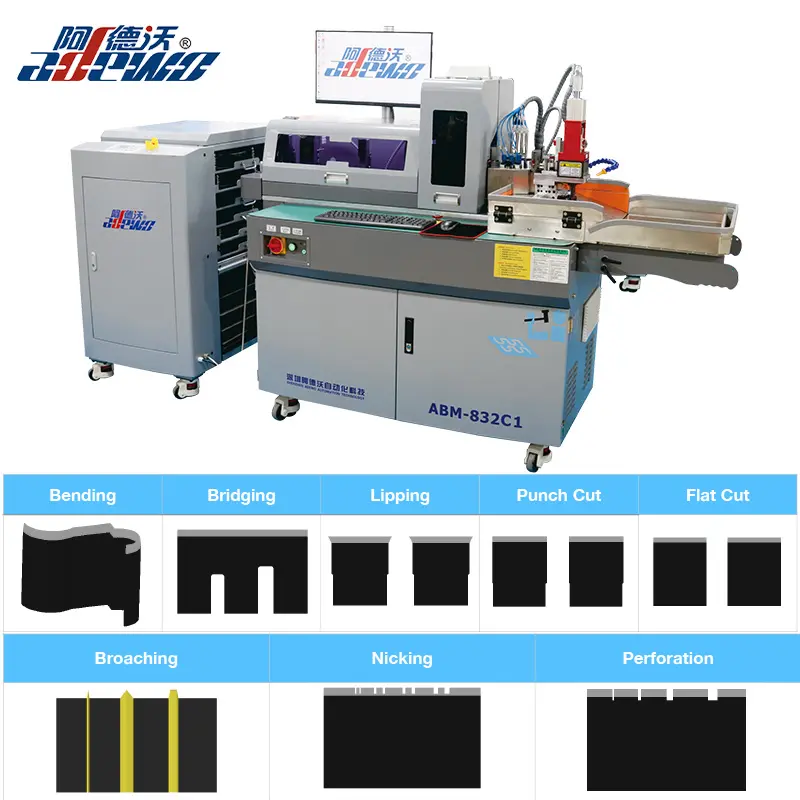
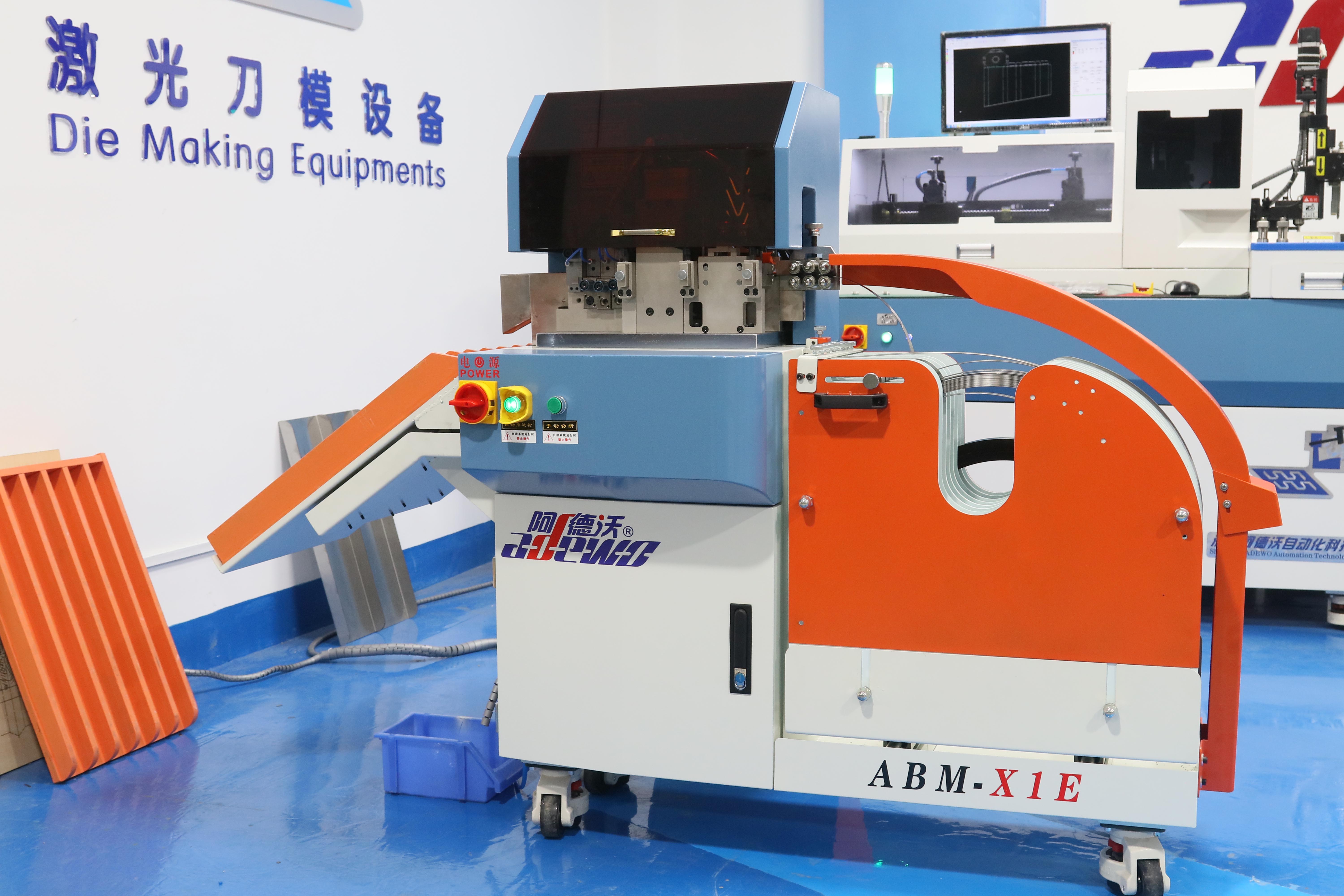
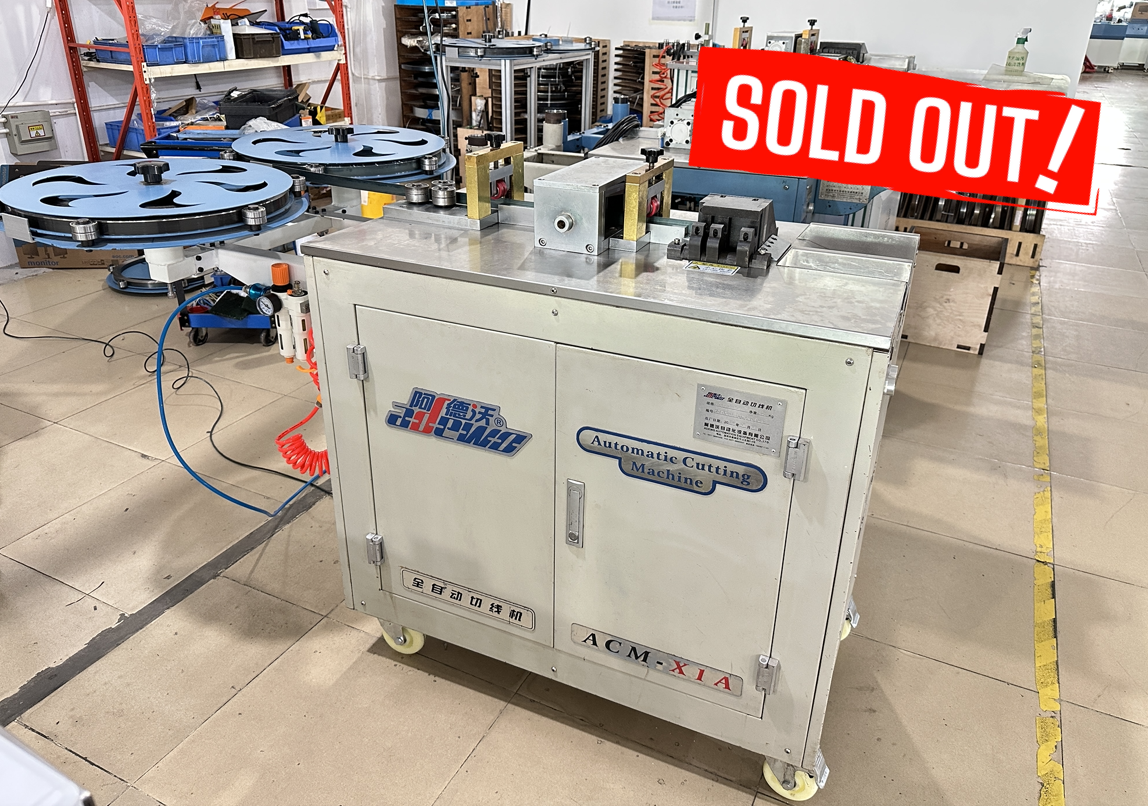
Choosing the right Auto Cutting Machine is no longer just about replacing one manual step with one powered step. For many die-making businesses, the real challenge is much bigger: inconsistent cutting quality, operator fatigue, wasted steel rule, slower order turnaround, and the constant risk of errors when multiple processing steps are handled separately.
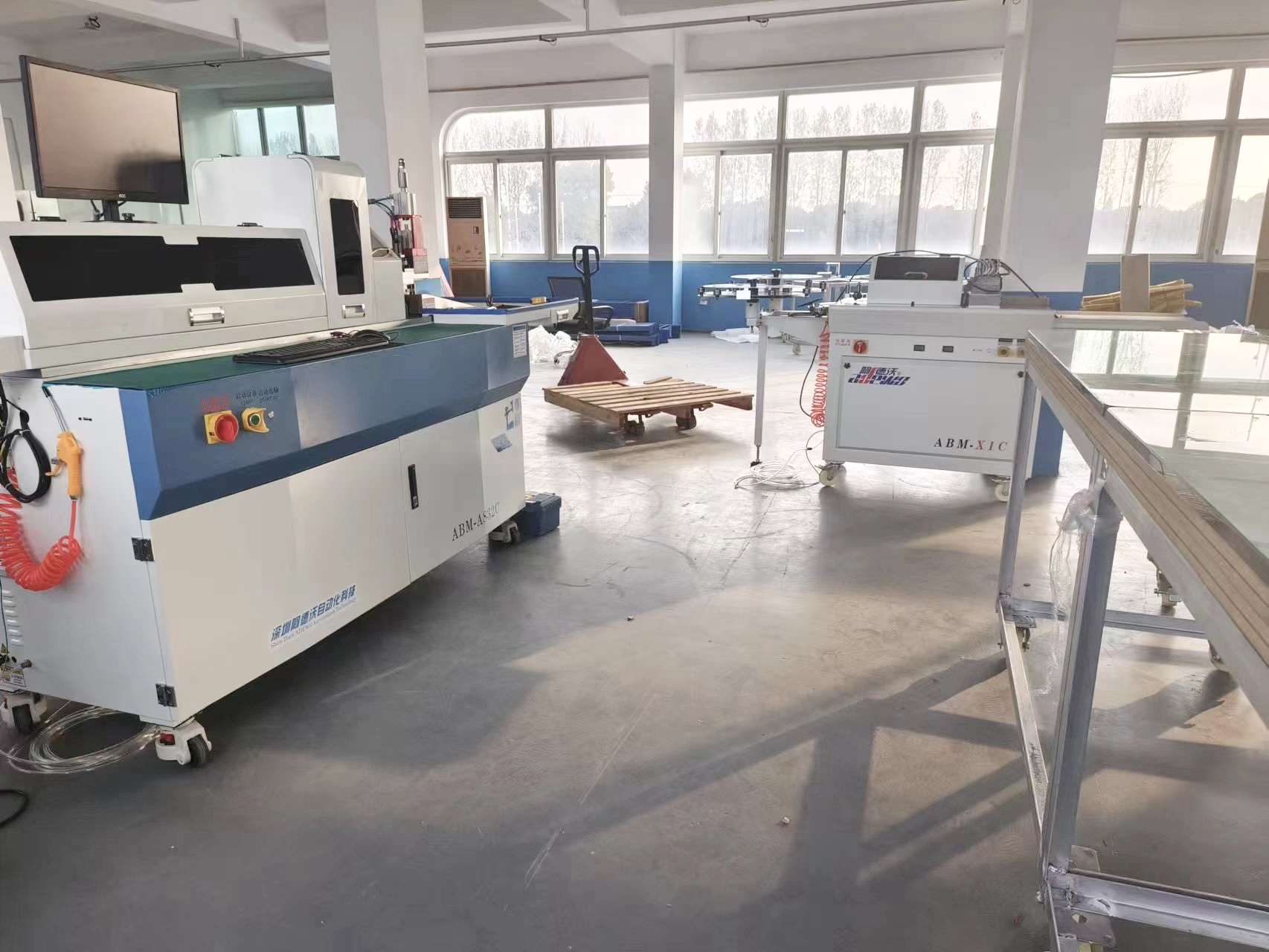
For many die makers, the real problem is not whether bending steel rule is possible, but whether it can be done fast enough, accurately enough, and consistently enough to support daily production without exhausting skilled labor.
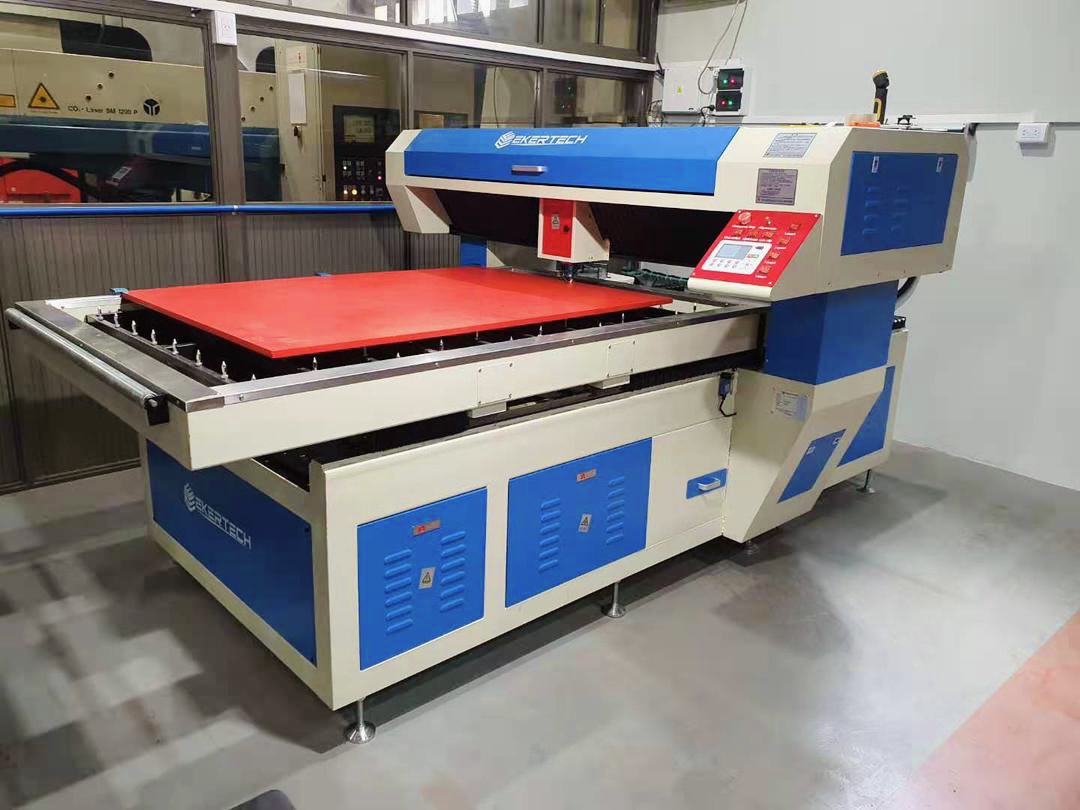
A Plywood Laser Cutting Machine has become one of the most important technologies for manufacturers working with plywood sheets for furniture, crafts, architectural panels, signage, and decorative components.