



The Creasing Rule Processing Behind Packaging
Packaging may look simple from the outside, but the final performance of a carton is determined by many details inside its die structure. A package needs to fold at the right position, open smoothly, remain stable during production and, in some cases, tear or separate in a controlled way.
These requirements are translated into different line structures during die making. Creasing rules, cutting lines, perforation and bridging all have different purposes, and their positions need to correspond with the packaging design.
For die makers, the challenge is not simply preparing lines of different lengths. The more important task is to ensure that each processed line matches the structure required by the final carton.
Not Every Part of a Package Needs the Same Processing
A folding carton normally contains panels, folding sections, openings and connecting areas. These different parts do not perform the same function, so they cannot always use the same type of line.
A creasing rule is mainly used to create a controlled folding line. It guides the paperboard to fold at a predetermined position without completely cutting through it.
Cutting is used where the material needs to be separated completely. Perforation is suitable for areas that need controlled tearing, while bridging can keep selected sections connected after die-cutting.
In a single die, these structures may work together. The final result depends not only on the individual processing method, but also on whether each line is positioned correctly in relation to the others.
Cutting: Preparing the Required Lengths
Before the creasing rule can be assembled into a die, they first need to be prepared according to the dimensions in the die design.
Different sections of a carton require different lengths. The outer cutting sections, folding sections and special structures may all require different line lengths.
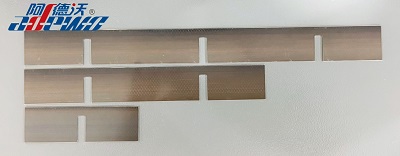
If a line is cut too long or too short, it can affect its position during die assembly. In more complex die structures, even small differences can make installation more difficult or affect how the processed sections correspond with the original design.
This is why length identification, sorting and cutting are important steps in line preparation.
For manufacturers handling multiple carton designs at the same time, automatically identifying different line lengths can also simplify the preparation process and reduce the need to manually separate materials before assembly.
Perforation: Creating a Controlled Tear
Not every package is designed to open through folding alone.
Many cartons and paperboard packages include tear-off sections, easy-open areas or other structures that need to be separated by hand. For these applications, a continuous cutting line would make the section separate too early.
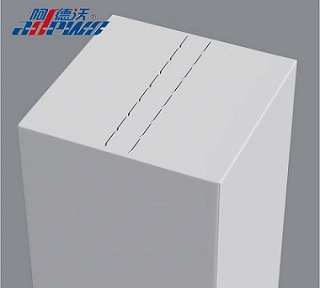
Perforation creates an intermittent cutting structure instead. The uncut sections keep the package connected before opening, while the cut sections provide a defined path for tearing.
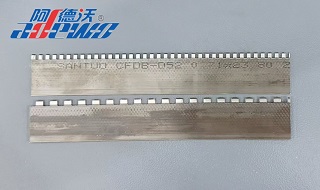
The arrangement of the perforation needs to match the packaging structure and the intended opening method. Too much cutting can weaken the connection, while insufficient cutting can make the package difficult to tear.
This is why perforation is a different processing requirement from both cutting and creasing.
Bridging: Maintaining Connection Points
Another common requirement is keeping selected parts of the paperboard connected after die-cutting.
Bridging creates specific connection points along the processed line. These points help maintain the integrity of the sheet during production, handling or subsequent operations.
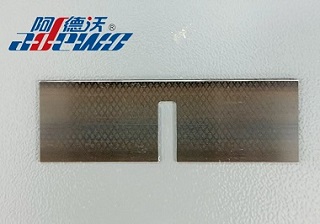
For some die structures, a single bridge is not enough. Multiple connection points may be required along one section, which is where multi-bridging becomes useful.
Some designs may also require both-side bridging, with corresponding bridge positions on both sides of the line.
The location, number and arrangement of bridges need to be considered together with the die design. Their purpose is not simply to add connection points, but to provide the required balance between cutting and remaining connection.
Lipping: Improving Corner Cutting
Some carton structures require additional processing at the end of a line, especially where several lines meet or where a clean corner is important.
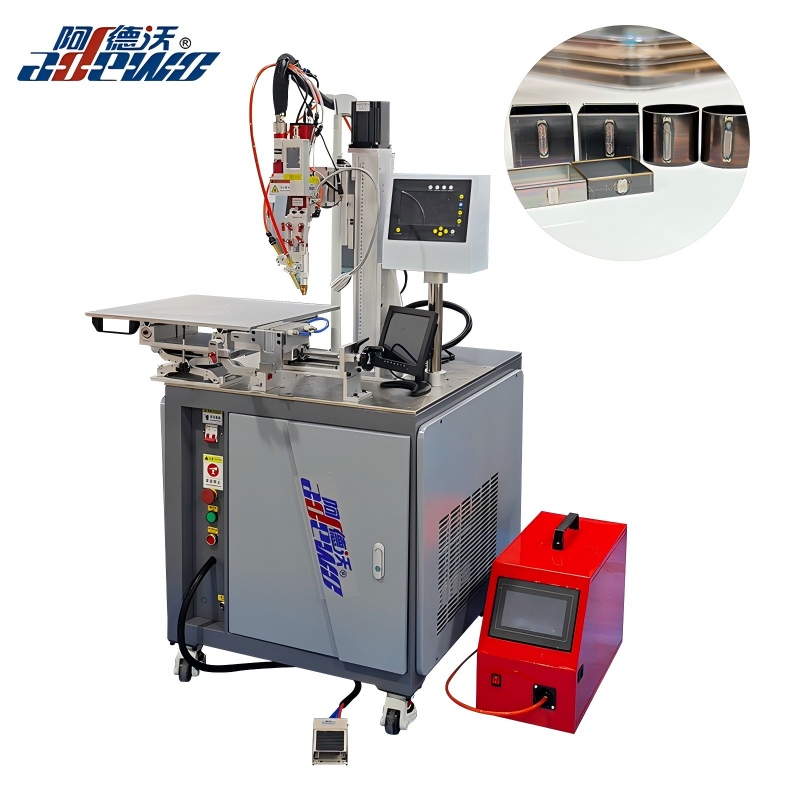
Lipping creates a notch at the end of the rule. In carton die-cutting, this can help reduce residual paperboard at corners after cutting, resulting in a cleaner corner.
Lipping can also help reduce interference when rules cross or are assembled together. This becomes more relevant when the die contains compact or complicated line structures.
Although the processed notch is small, it can affect the interaction between adjacent lines and the quality of the finished carton.
How Are These Lines Prepared Before Die Assembly?
The preparation process begins with the digital die design.
Once the required line information is determined, different lengths need to be identified and sorted. The lines can then be cut to their specified lengths, while sections requiring special processing can receive perforation, bridging, lipping or stripping-related structures.
For a die maker, these steps are closely connected. The cutting length, processing position and final assembly all need to correspond with the original design file.
As packaging structures become more detailed, manual preparation can involve more repeated measuring, sorting and processing. A more organized automated preparation process can therefore help make the transition from digital design to physical die more consistent.
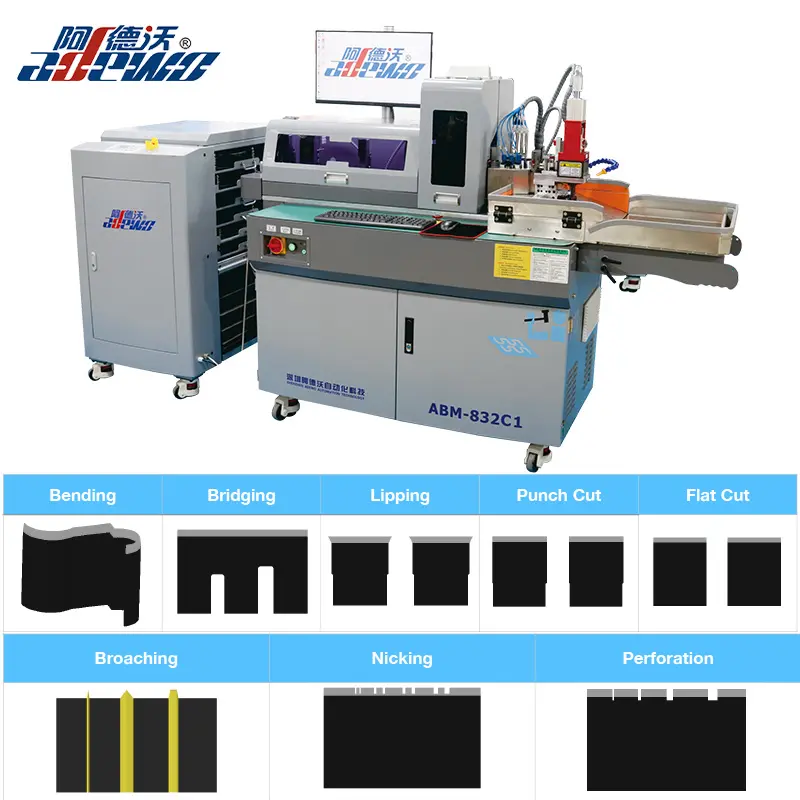
ADEWO ABM-X1E PRO Length Sorting Cutting Machine
The ADEWO ABM-X1E PRO Length Sorting Cutting Machine combines automatic line length identification and sorting with cutting and multiple line-processing functions.
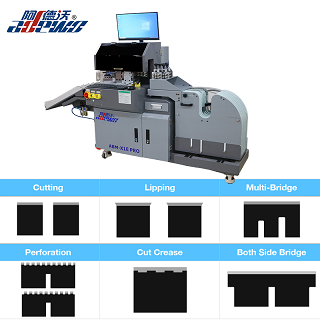
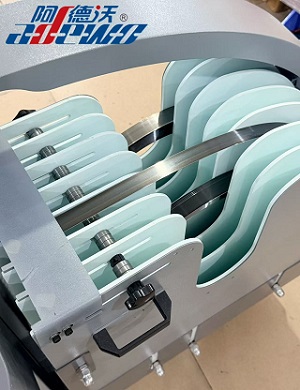
Designed for die-making applications, the machine supports 7 rule coils and handles rule thicknesses of 0.71, 1.05 and 1.42 mm, with rule heights from 22 to 60 mm.
Its processing functions include:
Length Sorting
Cutting
Lipping
Multi-Bridging
Both-side Bridging
Perforation
The machine supports DXF and DWG file formats, allowing processing information to be prepared from commonly used die-design files.
| Optional Rule Thickness | 0.71,1.05,1.42mm |
| Supported Rule Height | 22-60mm |
|
Three Tools Functions |
Bridgeing,Cutting,Lipping,Both side Bridge |
| Four Tools Functions | Bridging,Cutting,Lipping,Perforation,Both Side Bridge |
| Optional Functions | Cut Crease,Conner Cut,4pt/8pt Creasing Rule,Stripping Rule |
| Machine Weight | 330KG |
| Overall Dimension | 1750*760*1250mm(LxWxH) |
From Packaging Design to Line Processing
A package may appear straightforward when viewed as a finished product, but its folding, opening, tearing and waste-removal performance are closely connected to the die structure behind it.
A creasing rule defines where the paperboard folds. Cutting determines where the material separates. Perforation creates a controlled tearing path, while bridging maintains selected connections. Lipping and stripping-related structures address more specific requirements within the die.
Each process has its own purpose, but none of them exists independently from the packaging design.
The digital die file defines the required structure, and accurate line preparation turns that information into processed lines ready for die assembly. This connection between packaging design, die construction and line processing is what allows small details in a digital design to become reliable functions in the finished package.
Next: