
Copyright © 2022 Adewo Automation Equipment Co.,ltd. All rights Reserved.
Links Sitemap RSS XML Privacy Policy

Why Do Thermoforming Cutting Dies Need Countersunk Holes and Inner Nicking?
Understanding the small details that improve die assembly, product handling, and edge quality in thermoformed packaging.
In the thermoforming packaging industry, even the smallest details in cutting die design can influence production performance and the quality of finished products.
Have you ever noticed countersunk holes on the sides of steel rules or tiny notches along their cutting edges?
Although these features may seem insignificant, they serve important purposes in die assembly, cutting operations, and product separation.
In this article, ADEWO explains why countersinking, conventional nicking, and inner nicking matter in thermoforming die-making.
1. What Challenges Do Thermoforming Cutting Dies Face?
Thermoforming is widely used to manufacture food trays, blister packaging, electronic product trays, and other plastic packaging products.
Common materials include PET, PVC, and PP.
A typical thermoforming production process involves four main stages:
Sheet Heating → Thermoforming → Die Cutting → Product Separation and Collection
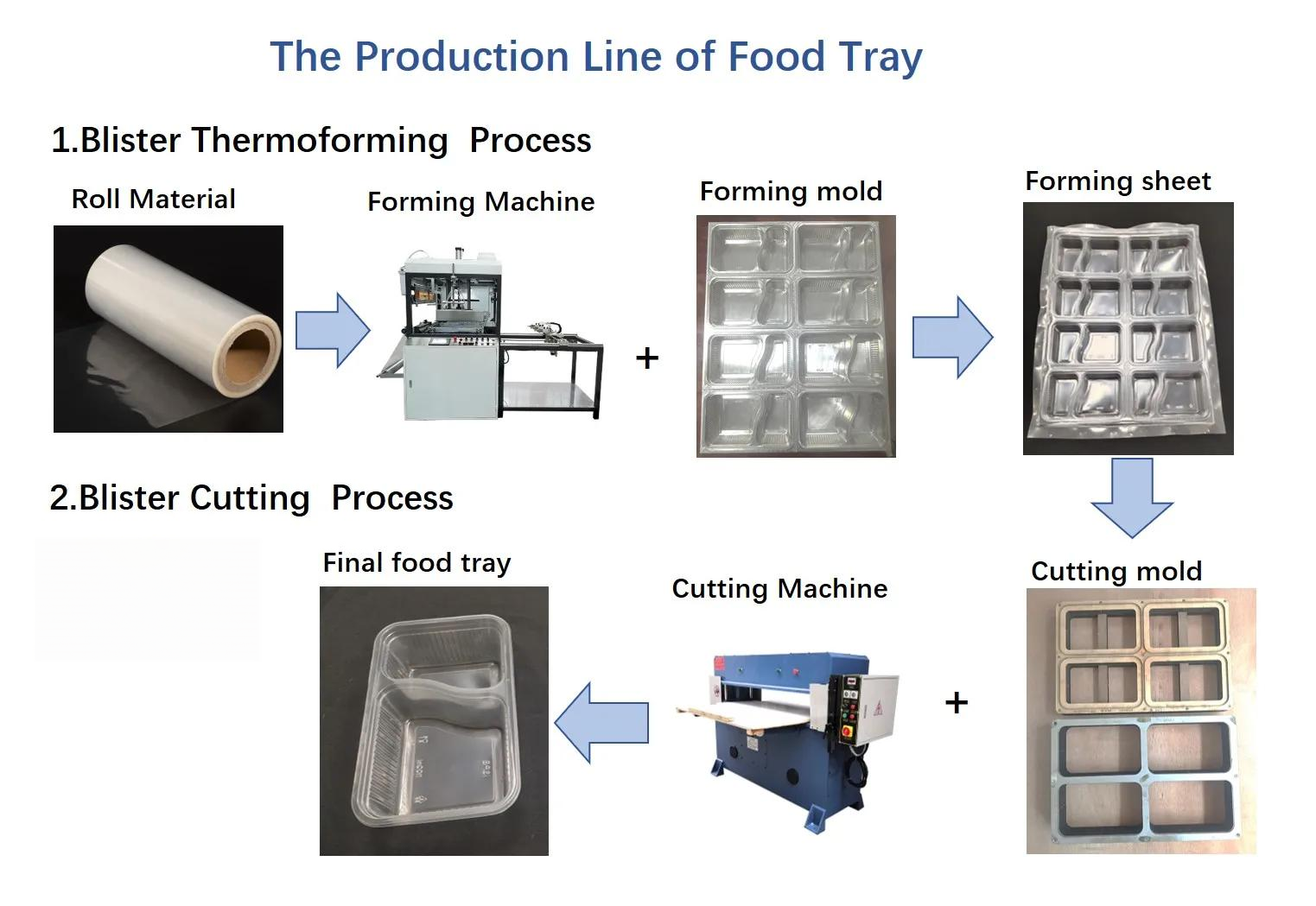
Unlike conventional flat-sheet cutting, thermoformed packaging often involves complex three-dimensional shapes, raised sections, recessed areas, and formed flanges.
Cutting dies may also need to handle:Complex cutting contours and extended cutting paths.Material flexibility, springback, and variations in thickness.Repeated cutting forces during continuous production.Specific requirements for product separation and edge quality.These factors make proper steel rule fastening and cutting-edge design particularly important.
2. Why Are Countersunk Holes Used in Thermoforming Cutting Dies?
In certain thermoforming die structures, steel rules are secured not only by die-board slots or clamping mechanisms but also by screws.
Countersunk holes allow suitable screw heads to sit flush with or below the steel rule surface, supporting mechanical fastening while reducing potential interference.
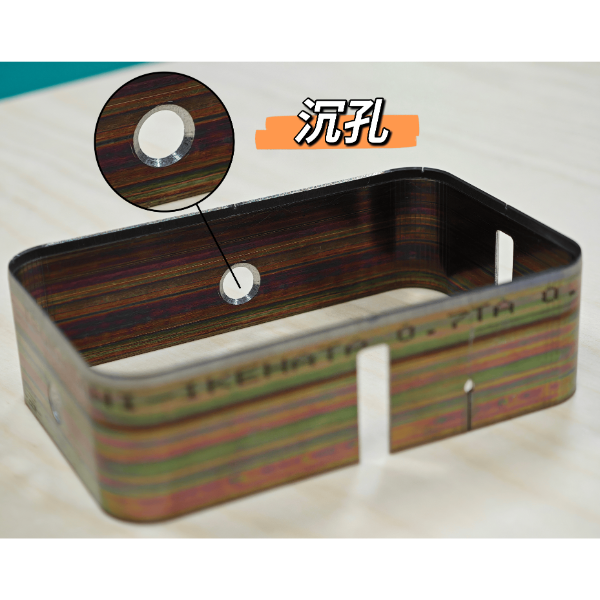
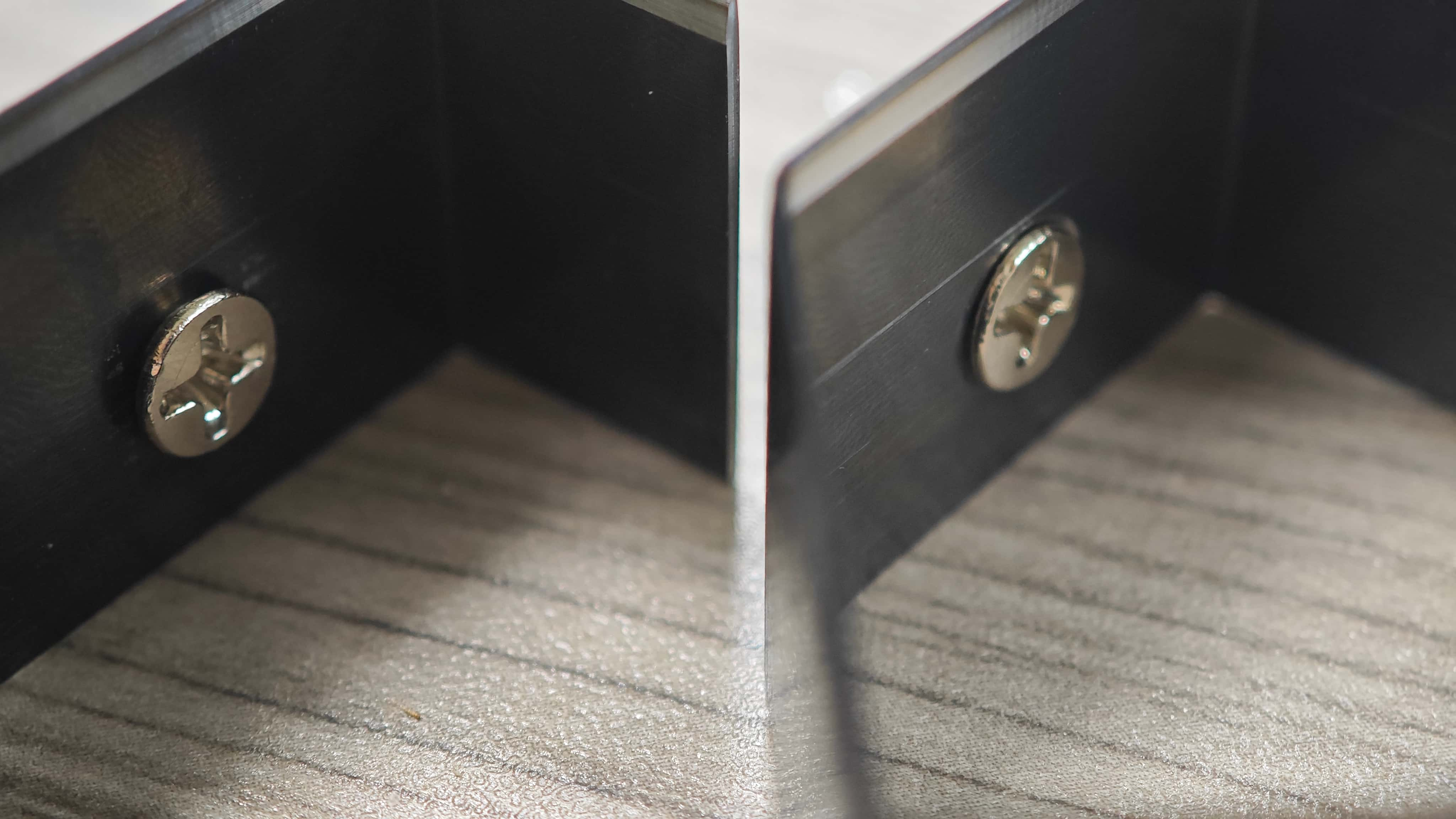
Three Main Benefits of Countersinking:
Screw fastening helps secure steel rules to compatible supporting structures, reducing unwanted movement during repeated cutting operations.
For dies designed with removable fastening systems, screws can facilitate assembly, disassembly, and replacement of certain steel rule components.
Unlike ordinary through-holes, countersunk holes provide space for the screw heads, helping prevent them from protruding into adjacent die components or moving mechanisms.
For die makers working with different mounting arrangements, double-side countersinking provides additional flexibility in steel rule assembly and fastening design.
3. Why Are Tiny Nicks Needed on Cutting Edges?
In some continuous thermoforming production lines, multiple plastic products remain connected within the same formed sheet before the final separation stage.
If the products are completely separated during cutting, several problems may occur:
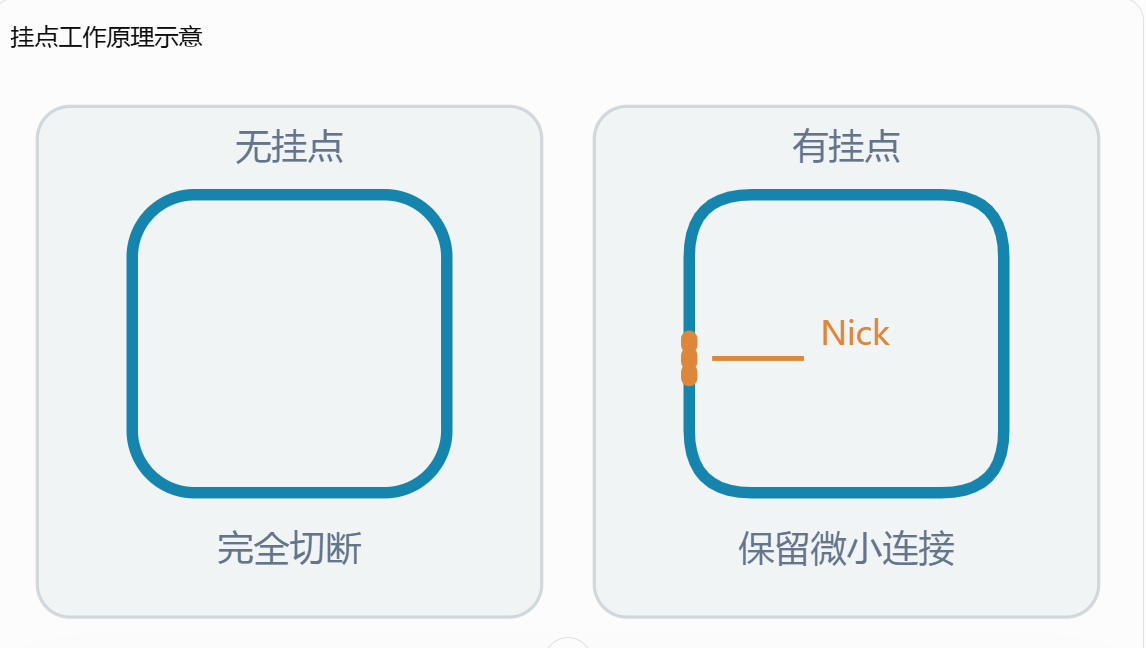
This is where nicking becomes useful.
Nicking involves creating a small notch in the cutting edge of a steel rule.
During die cutting, the material at this position is not completely severed, leaving a small connecting tab between the finished product and the surrounding plastic sheet.
These connecting tabs help maintain the product's position until the intended separation stage.
Why Does Nick Size Matter?
An effective nick must achieve a balance between holding strength and ease of separation.
The connecting tab may be too weak, causing the product to separate prematurely.
The product may be difficult to separate, potentially leaving visible tears or unwanted protrusions along the edge.
Therefore, nick dimensions and positions should be selected according to the plastic material, sheet thickness, cutting requirements, and separation method.
4. What Is Inner Nicking, and Why Does It Matter?
For thermoformed packaging products, maintaining a connection during cutting is only part of the challenge.
The appearance and feel of the finished product's edges are also important.
Conventional nicking may leave small protruding tabs after the product is separated from the surrounding sheet.
These protrusions can affect the appearance of transparent packaging and, if sharp, may create undesirable contact points along the product edge.
Inner nicking offers an alternative approach.
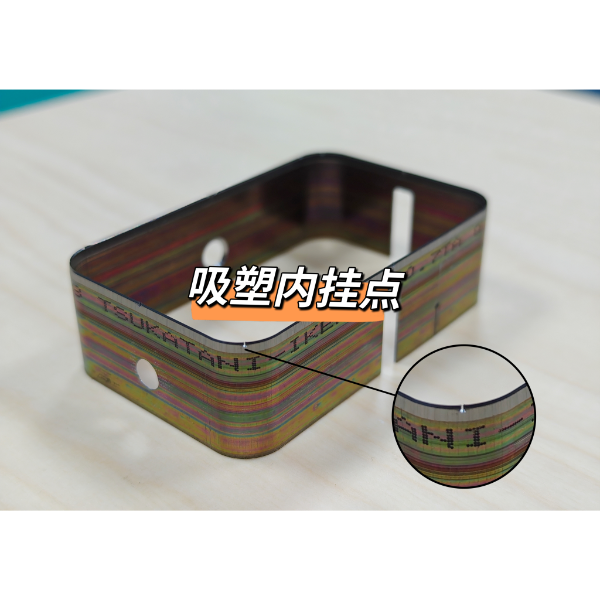
Through a specially designed notch structure and connection-point position, inner nicking aims to keep the separation mark within the product's outer contour.
This helps minimize outward-protruding tabs while maintaining the necessary connection during processing.
Key Benefits of Inner Nicking
Inner nicking can help reduce visible protrusions after separation, improving the appearance of finished thermoformed products.
The connecting tabs can still hold products in place during cutting and handling until the required separation stage.
Inner nicking provides an additional option for die makers working with special product contours and edge requirements.
For applications such as transparent blister packaging, food trays, and display packaging, minimizing visible edge defects can be particularly valuable.
The final results depend on the plastic material, nick dimensions, tooling design, and separation conditions.
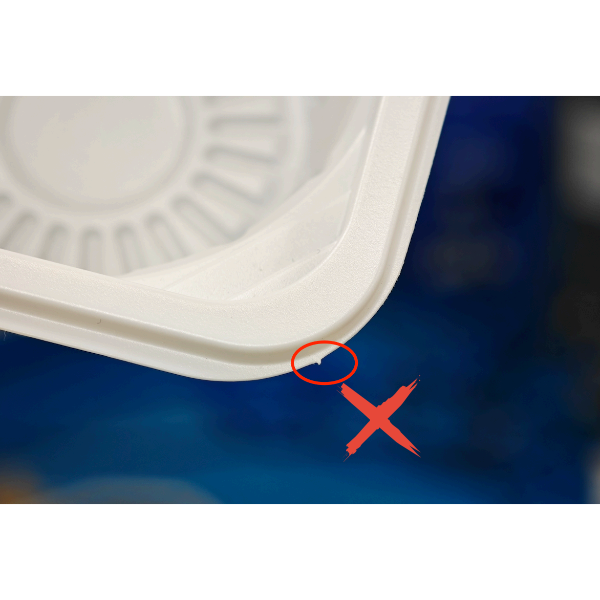
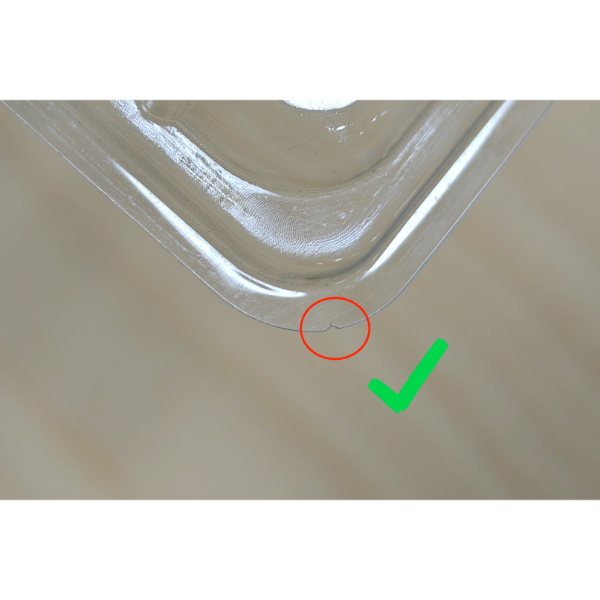
5. Conventional Nicking vs. Inner Nicking
Feature
Conventional Nicking
Inner Nicking
Product connection
Maintains connecting tabs
Maintains connecting tabs
Separation marks
May leave outward protrusions
Designed to reduce outward protrusions
Edge appearance
Depends on nick design and separation quality
Can help achieve a cleaner outer contour
Typical requirements
General product connection
Connection control with additional edge-quality requirements
The main advantage of inner nicking is not eliminating the connection point.
Instead, it is optimizing the position and final separation effect of that connection point to better meet product edge requirements.
6. Specialized Steel Rule Processing for Thermoforming Dies
As thermoformed packaging designs become more diverse, die makers may require additional processing capabilities beyond conventional bending and cutting.
Functions such as double-side countersinking, precision nicking, inner nicking, and specialized punching provide more options for different die structures and production requirements.
ADEWO focuses on developing practical steel rule processing solutions to support professional die manufacturers.
For customers producing thermoforming cutting dies, choosing suitable processing functions and tooling configurations can help simplify die preparation and meet specialized manufacturing requirements.
Small Details. Better Die-Making Solutions.
Interested in learning more about specialized steel rule processing for thermoforming packaging dies?
Contact ADEWO to discuss your die-making requirements.
Website: www.china-adewo.com
Recommended equipment: 860B6
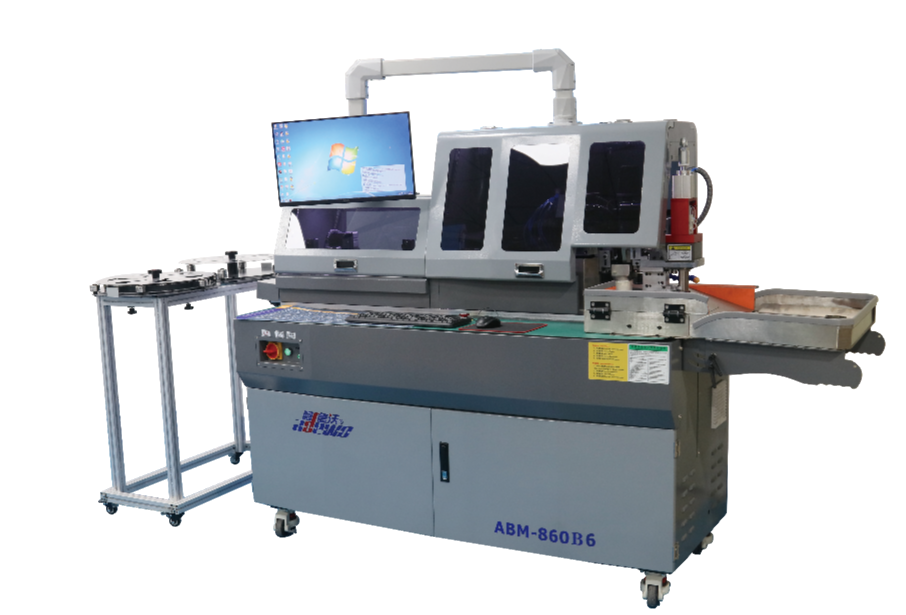
860B6 Blister CounterSunk Bending Machine
Copyright © 2022 Adewo Automation Equipment Co.,ltd. All rights Reserved.
Links Sitemap RSS XML Privacy Policy