
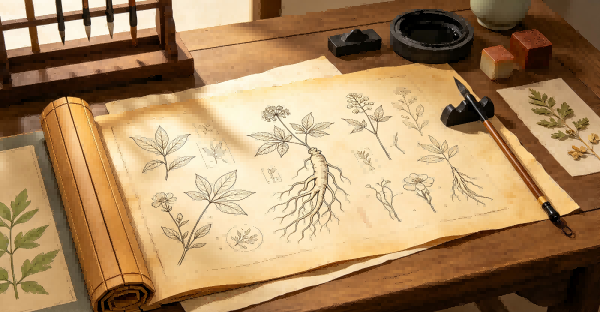
Imagine a medical system that has been continuously practiced and refined for over two thousand years—long before the invention of the microscope, the stethoscope, or the X‑ray machine. That system is Traditional Chinese Medicine, or TCM.
TCM is not a single therapy but a comprehensive healing tradition that includes acupuncture, herbal medicine, therapeutic massage (Tui Na), cupping, dietary therapy, and movement practices like Tai Chi and Qigong. Today, TCM is practiced in many countries around the world and has gained significant recognition beyond its East Asian origins.
But what exactly is TCM? How does it work? And why are millions of people in the West—from London to Los Angeles—increasingly turning to this ancient system for their health concerns? This article introduces the core principles, diagnostic methods, and common therapies of TCM for those unfamiliar with its approach.
To understand TCM, you must first understand its foundational concepts. These are not religious beliefs but practical frameworks developed over centuries to explain how the human body functions and how health is maintained.
Qi is often translated as "vital life force" or "energy." In TCM, qi flows through the body along specific pathways called meridians. Think of qi as the body's essential energy—it powers every function, from digestion and circulation to thought and emotion. When qi flows smoothly and abundantly, you are healthy. When qi becomes blocked, deficient, or unbalanced, illness follows.
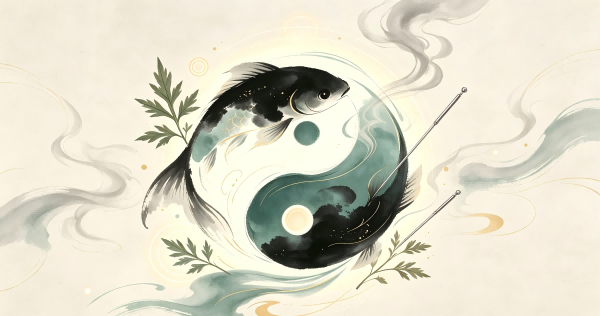
This is perhaps the most famous TCM concept. Yin and Yang are opposite but complementary forces that exist in everything. In the body:
Health, in TCM, means these two forces are in balance. Too much Yang might manifest as fever, restlessness, or inflammation. Too much Yin might appear as coldness, lethargy, or poor circulation. The goal of TCM treatment is always to restore balance between Yin and Yang.
TCM also uses a framework called the Five Elements to understand the relationships between organs, emotions, seasons, and even flavors. Each element corresponds to specific organs:
These elements interact with one another—they can nourish or control each other—providing a complex map of how different parts of the body influence one another.
If you are accustomed to Western medicine, TCM may feel unfamiliar. Here is a clear comparison:
| Western Medicine | Traditional Chinese Medicine | |
|---|---|---|
| Focus | Treats specific symptoms and diseases | Treats the whole person and their imbalances |
| View of the body | Anatomical, structural, biochemical | Energetic, interconnected, dynamic |
| Diagnosis | Disease‑based (e.g., "You have arthritis") | Pattern‑based (e.g., "You have a Kidney Yin deficiency") |
| Treatment goal | Eliminate the pathogen or correct the structural problem | Restore balance and harmony to the entire system |
It is important to note that these are different paradigms, not competing ones. Many people use both systems: Western medicine for acute emergencies, infections, and structural issues, and TCM for chronic conditions, prevention, and overall wellness. Increasingly, healthcare providers around the world are exploring ways to combine the strengths of both approaches.

TCM diagnosis is very different from a typical Western medical exam. Instead of relying primarily on lab tests and imaging, TCM practitioners use four classical diagnostic methods:
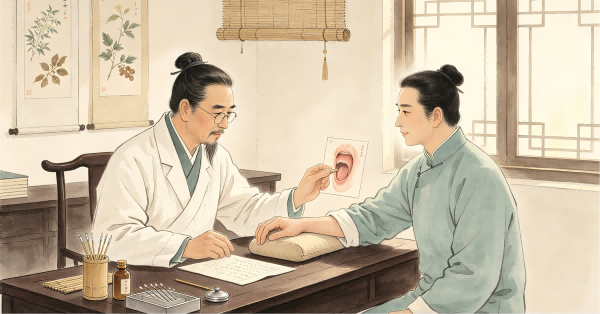
The practitioner carefully examines your appearance, with special attention to your tongue. In TCM, the tongue is considered a "map" of your internal organs. Its color, coating, shape, and moisture all provide clues:
The practitioner listens to your voice, breathing, and coughing. They may also note any body odors. A weak voice might suggest Qi deficiency; a loud, rough voice might indicate excess or heat.
This is extensive. The practitioner will ask about:
The most famous aspect of TCM diagnosis is pulse diagnosis. The practitioner feels your pulse at three positions on each wrist, at three different depths. This is not just counting heartbeats—it is assessing the quality, rhythm, strength, and character of the pulse at each position, each of which corresponds to different organs.
The goal of all this is not to name a disease but to understand the underlying pattern of imbalance. Two people with the same Western diagnosis (say, migraines) might receive completely different TCM treatments because their underlying imbalance patterns are different.
TCM is no longer confined to East Asia. It has become a global health resource.
Over the past decades, international health organizations have increasingly recognized the value of traditional medicine. Many countries now have regulatory frameworks for TCM practitioners, and academic institutions in Europe, North America, and Australia offer training programs and research centres dedicated to TCM.
The growing interest is visible in everyday life: TCM clinics are appearing in major cities worldwide, and many patients seek acupuncture or herbal remedies for conditions that have not responded well to conventional treatments. Online searches for TCM concepts—such as "dampness removal," "warming the uterus," or "strengthening the spleen"—have become common among overseas users, reflecting a genuine curiosity about this different way of understanding health.
It is important, however, to keep a balanced view. TCM is a complementary approach, not a replacement for emergency or acute care. If you have a heart attack, go to an emergency room. If you have a bacterial infection, antibiotics are essential. But for chronic conditions, pain management, stress‑related disorders, and preventive care, TCM offers valuable options that Western medicine alone may not fully address.
TCM offers a different lens through which to view health—one that emphasizes balance, prevention, and the profound connection between body, mind, and environment.
Unlike Western medicine's focus on identifying and eliminating specific diseases, TCM asks a different question: What is out of balance in this person, and how can we restore harmony?
This does not make TCM "better" or "worse" than Western medicine—it makes it different. And in a world where chronic diseases are on the rise and many patients seek more holistic approaches to their health, that difference is increasingly valuable.
Whether you are curious about acupuncture for back pain, interested in herbal remedies for digestive issues, or simply want to understand a medical tradition that has served billions of people for millennia, TCM invites you to see your body not as a collection of separate parts but as an interconnected, dynamic, and beautifully complex whole.
This article is for informational purposes only and does not constitute medical advice. Always consult a qualified healthcare provider before starting any new treatment.