
Copyright © 2022 Adewo Automation Equipment Co.,ltd. All rights Reserved.
Links Sitemap RSS XML Privacy Policy

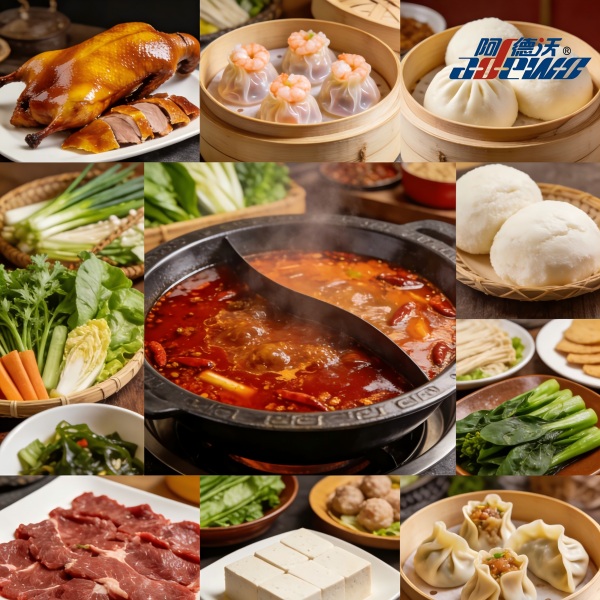
When people think of Chinese food abroad, they often imagine takeout boxes and simplified dishes. But authentic Chinese food culture is a breathtaking universe of flavors, techniques, and traditions that reflect over 5,000 years of history. It’s not just about eating—it’s about harmony, balance, and connection.
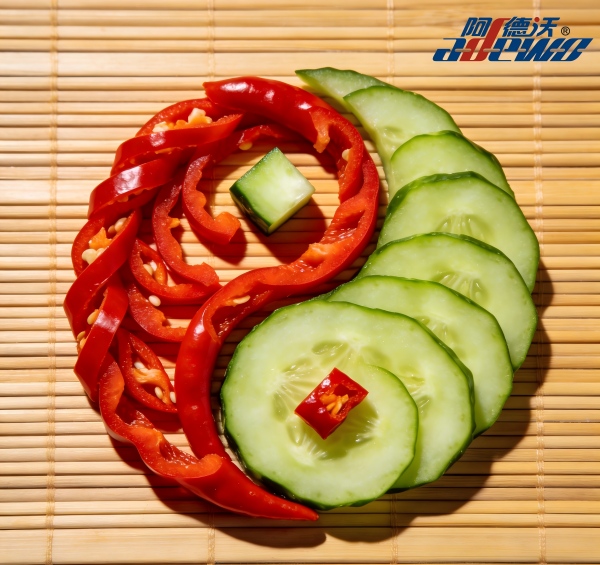
Chinese cuisine is deeply influenced by Taoist and Confucian principles. The concept of Yin and Yang appears on every plate—meals balance hot (Yang) and cold (Yin) ingredients, textures, and flavors. Similarly, the Five Elements (wood, fire, earth, metal, water) correspond to five tastes: sour, bitter, sweet, spicy, and salty. A well-composed dish considers all these elements.
Meals also emphasize harmony between person and environment. That’s why you’ll find seasonal eating, regional adaptation, and food as medicine embedded in the culture.
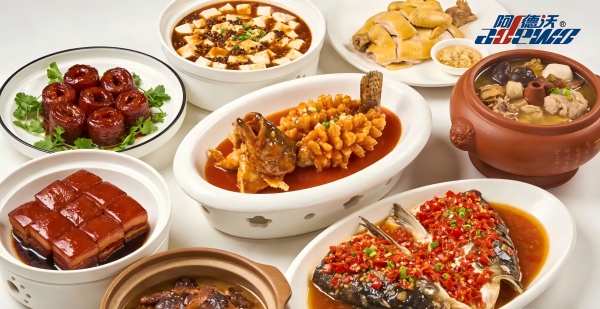
China’s vast geography creates stunning regional diversity. While there are countless styles, eight major culinary traditions stand out:
1. Sichuan (Szechuan) – Bold, spicy, and famously mouth-numbing from Sichuan peppercorns.
2. Cantonese (Guangdong) – Fresh, subtle flavors showcasing steamed fish, roasted meats, and dim sum.
3. Jiangsu – Meticulous presentation, often slightly sweet, emphasizing texture and aesthetics.
4. Zhejiang – Fresh seafood and bamboo shoots, light yet flavorful.
5. Fujian – Broths and soups are specialties, often using seafood and mountain ingredients.
6. Hunan – Hot and spicy like Sichuan, but with a sharper, direct chili heat.
7. Anhui – Wild herbs, mushrooms, and simple peasant-style cooking from the mountains.
8. Shandong – The origin of many northern staples like steamed buns and renowned for its seafood.
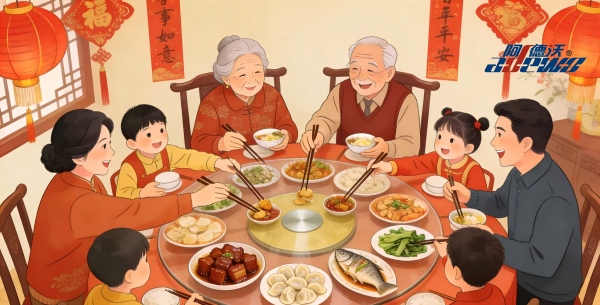
In China, dining is a core social activity. Meals are almost always shared family-style from central dishes, reinforcing community and equality. The round table with a rotating lazy Susan is no accident—it allows everyone equal access and encourages conversation.
Tea is more than a drink—it’s a sign of respect when offered to guests or elders. And the way you use chopsticks speaks volumes: never stick them upright in a bowl (it resembles incense for the dead), and avoid pointing with them.
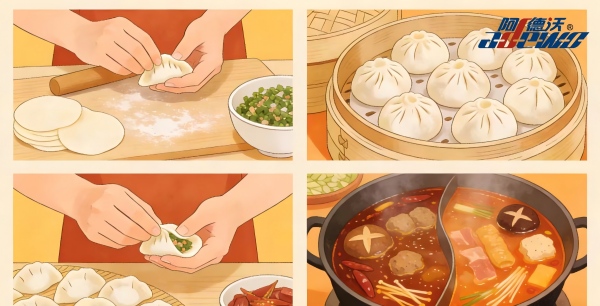
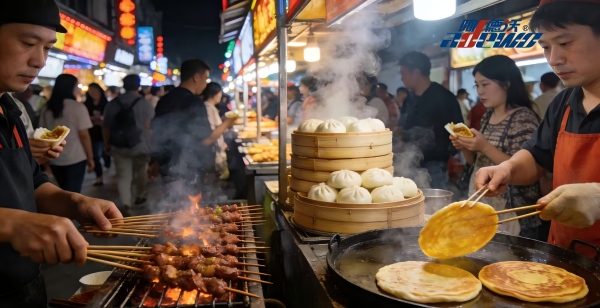
Forget fancy restaurants—some of China’s best food is found on the street. Night markets hum with energy, offering everything from jianbing (savory crepes) and chuan’r (spicy skewers) to stinky tofu (an acquired taste!) and tanghulu (candied fruit on a stick). It’s affordable, delicious, and deeply connected to local life.
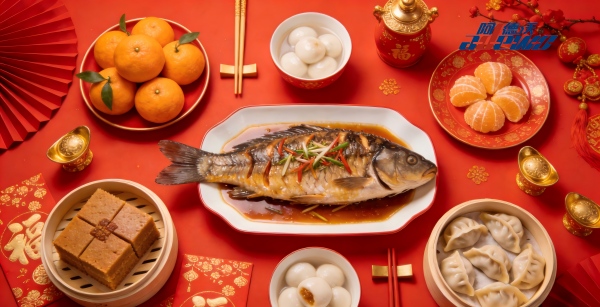
Every major festival has its dedicated foods, each carrying symbolic meaning:
1. Be adventurous. Order dishes you’ve never heard of.
2. Eat family-style. Share more dishes than there are people for maximum variety.
3. Mind the etiquette. Don’t flip the fish, offer tea to others first, and try using chopsticks!
4. Respect the rice. In most regions, rice comes last, not as a base for other dishes.
Chinese food culture is an invitation to explore history, philosophy, and human connection through the universal language of flavor. It reminds us that a meal is never just a meal—it’s a story, a tradition, and a bridge between people.
Copyright © 2022 Adewo Automation Equipment Co.,ltd. All rights Reserved.
Links Sitemap RSS XML Privacy Policy