
Copyright © 2022 Adewo Automation Equipment Co.,ltd. All rights Reserved.
Links Sitemap RSS XML Privacy Policy

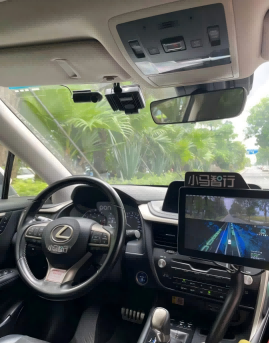
In Shenzhen Nanshan District,driverless taxis,also called robotaxis – are becoming a normal sight. They pick up passengers without a human behind the wheel, and locals are getting used to it.
What’s happening in Shenzhen
2026 is a year that robotaxi developes so fast and even beyond expectation.The main operator Pony.ai, a Chinese self-driving company, runs about 1,000 robotaxis across Nanshan, Bao’an and
Pingshan districts – covering more than 167 square kilometers.
The service is cheap. A 9-km ride costs about 30 yuan (roughly $4),means 20-30% less than a regular taxi.
Other companies like Baidu’s Apollo Go and Didi are also testing robotaxis in 26 cities in China.
What’s happening overseas
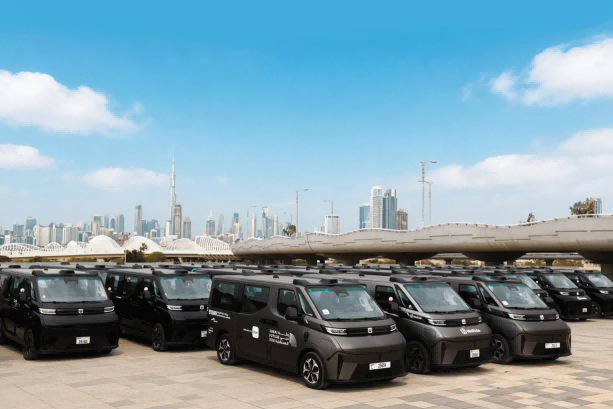
The US still leads in some ways. Waymo now runs robotaxis in 11 American cities and has completed over 20 million rides. But Chinese companies are going global. Baidu’s robotaxis are running fully driverless in Dubai.
Pony.ai operates in South Korea and Croatia. And they often team up with local apps like Uber to grow faster.
One big concern
While riders love the low price and no-cancellation service, the safety problem and trafic regulation need more attentions. It’s a problem that every country with robotaxis will have to face.
For now, Shenzhen and Hongkong both shows what’s possible: affordable, 7*24-hour self-driving taxis.
Copyright © 2022 Adewo Automation Equipment Co.,ltd. All rights Reserved.
Links Sitemap RSS XML Privacy Policy