
Copyright © 2022 Adewo Automation Equipment Co.,ltd. All rights Reserved.
Sitemap RSS XML Privacy Policy

1. Consistent Packaging Quality Starts Before Die-Cutting
In corrugated packaging production, the die-cutting process often receives the most attention because it directly affects the appearance, dimensions, and structural accuracy of the finished carton.
However, before corrugated board reaches the die-cutting machine, another important process takes place: die making.
A steel rule die must accurately reproduce the cutting outlines, crease positions, and various special features specified in the packaging design.
If the slots in the plywood are inaccurately cut, the steel rules are not properly installed, or the bending dimensions are inconsistent, the completed die may require additional adjustments before it can be used in production.
For manufacturers producing custom corrugated cartons, display packaging, and protective inserts, die-making quality and consistency can influence production efficiency and order lead times.
This is why selecting the right die-making equipment is an important part of building a reliable packaging production process.
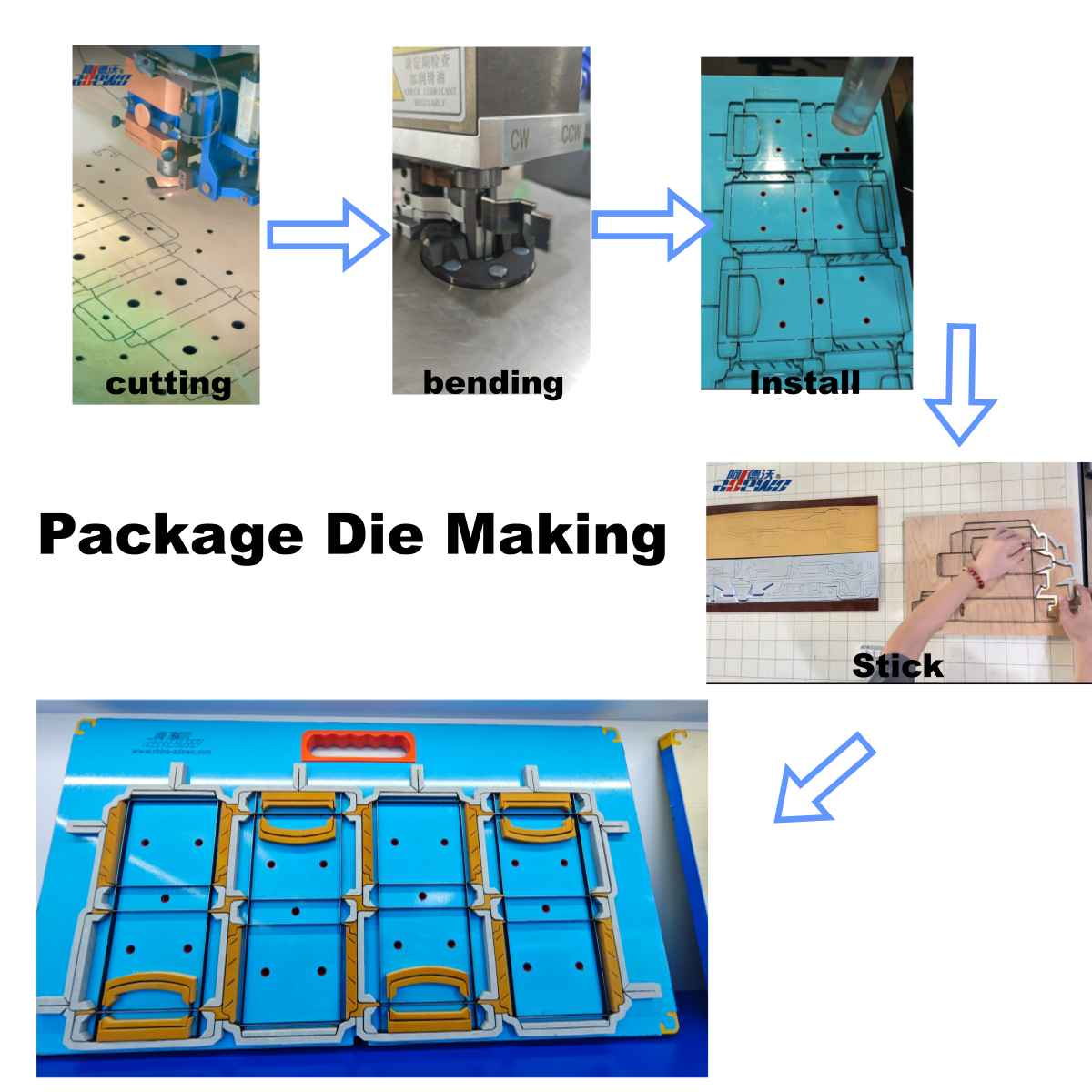
2. Laser Cutting Machines: Building the Foundation of Flatbed Dies
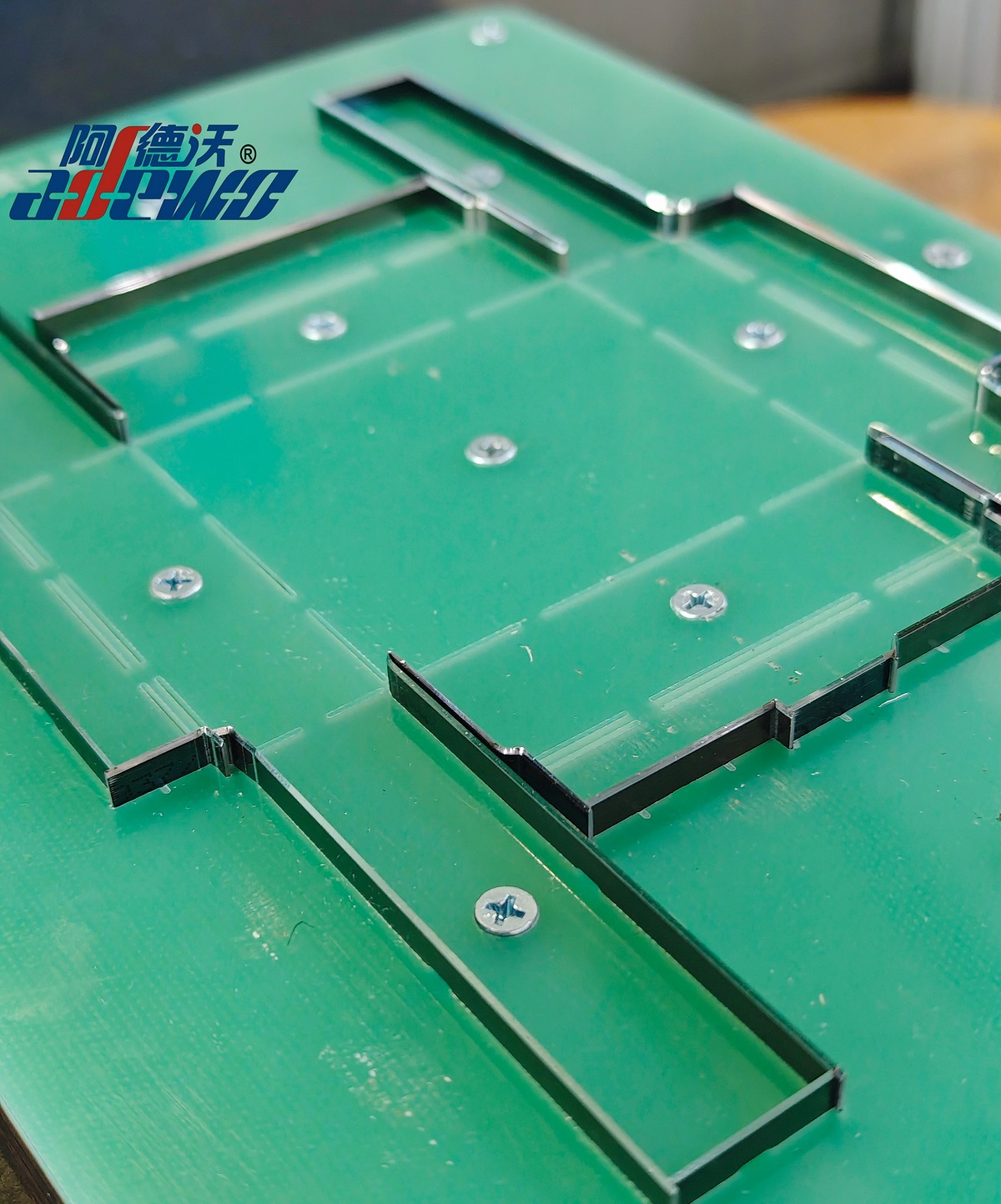
In conventional flatbed steel rule die manufacturing, plywood is commonly used as the die board.
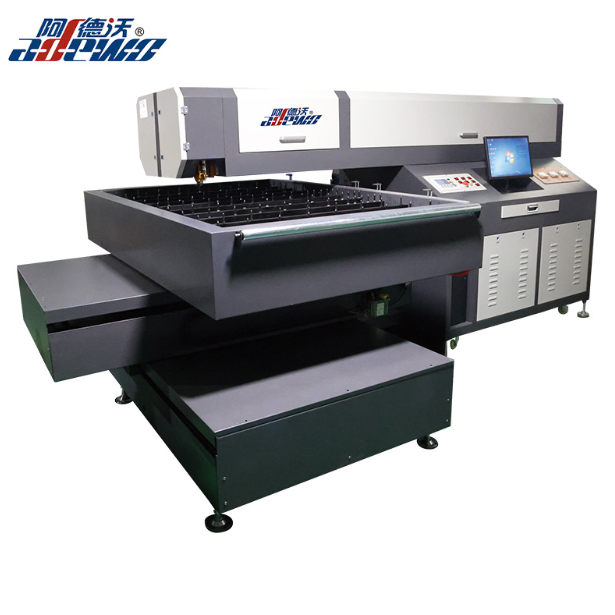
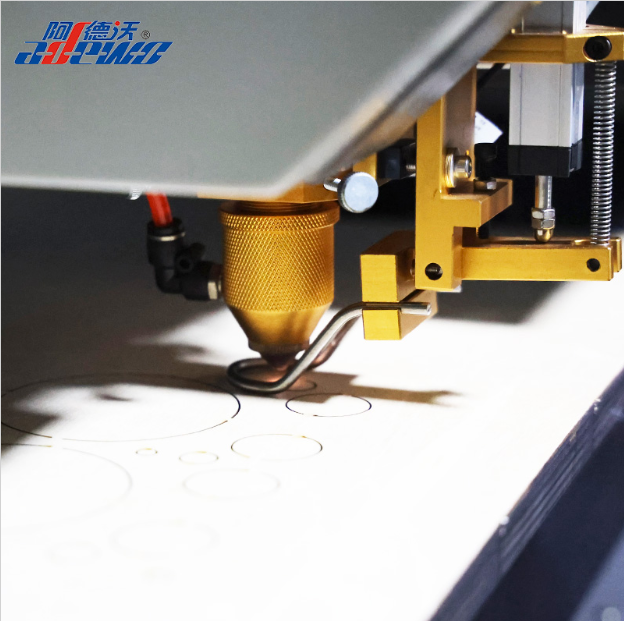
A laser cutting machine processes the plywood according to CAD design files, creating slots for installing cutting rules and creasing rules in their specified positions.
The quality of this process affects several important factors:
If a slot is too wide, the steel rule may not be held securely.
If it is too narrow, rule installation becomes more difficult and may cause unnecessary pressure on the surrounding plywood.
Consistent laser cutting provides a more reliable foundation for steel rule installation and die assembly.
ADEWO develops plywood laser cutting machines specifically for professional flatbed die-making applications, helping manufacturers process die boards according to digital designs.
3. Automatic Rule Bending Machines: Turning Digital Designs into Precise Steel Rule Structures
After the plywood board has been processed, the cutting rules need to be bent into the required shapes according to the die design.
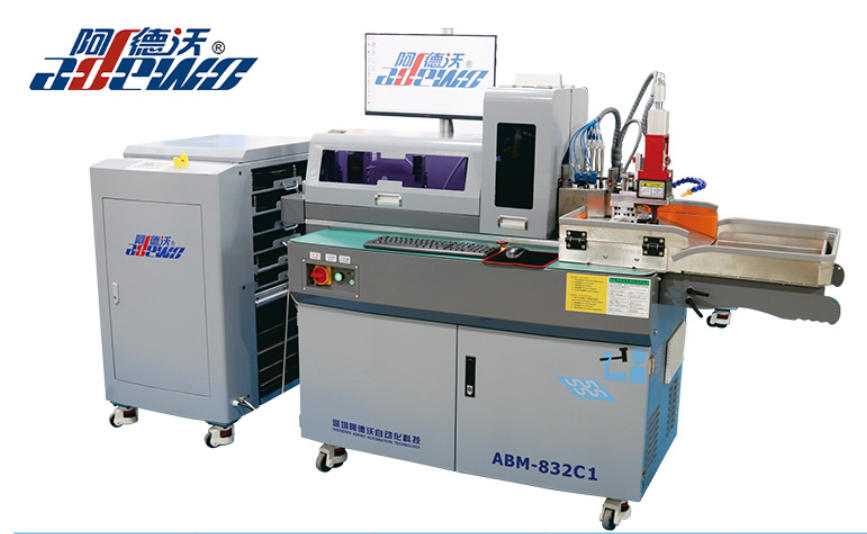
This is where automatic rule bending machines play an important role.
Based on the processing data, the machine forms steel rules into the required shapes, angles, and dimensions.
Depending on the machine model and configuration, available functions may include:
For corrugated packaging dies, these capabilities are particularly useful when processing complex contours, curved sections, special openings, and customized carton structures.
Compared with fully manual processing, automatic bending helps improve repeatability and reduce dependence on individual operators' experience.
For die makers handling repeat orders or a wide variety of customized designs, this can contribute to more efficient production planning and processing.
4. Nicking and Creasing Rule Processing: Specialized Operations for Different Types of Rules
Cutting rules and creasing rules serve different purposes in a steel rule die, so their processing requirements are also different.
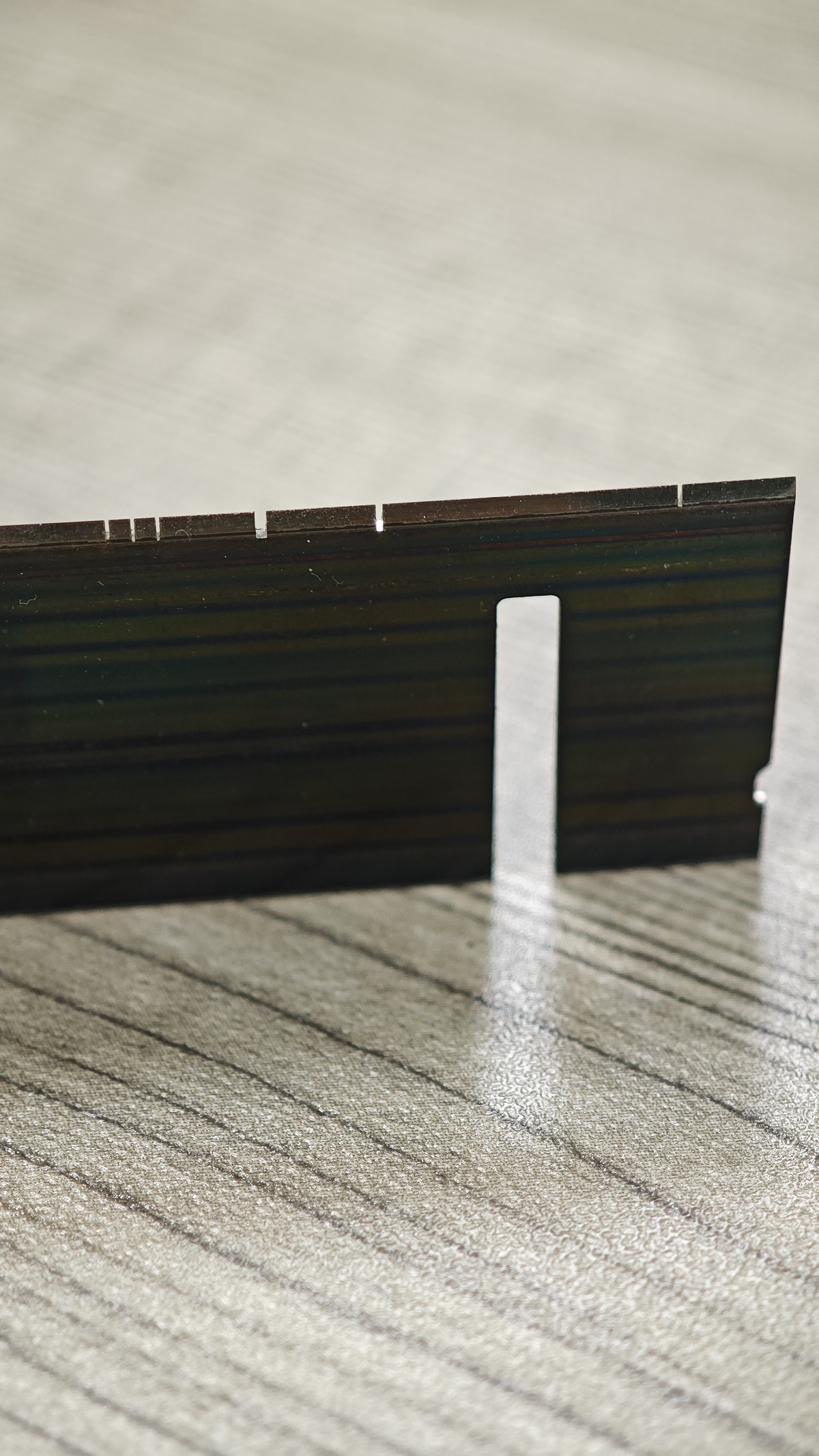
For cutting rules, Nicking is a common special processing operation.
It creates small notches at specified positions along the cutting edge. These notches allow selected sections of the cut board to remain connected after die-cutting.
Depending on the packaging structure and production requirements, these connection points can help maintain the integrity of the sheet during conveying, handling, and subsequent processing.
On ADEWO automatic rule bending machines, Nicking can be integrated into the bending process on selected models. With the appropriate processing components and software settings, different nicking specifications can be applied according to the die design.
Creasing rules, on the other hand, may require dedicated cutting and special processing operations.
In addition to standard length cutting, certain applications require perforation patterns, bridging, and other specially designed structures.
These operations are related not only to the functional requirements of the creasing rules but also to how different rules are arranged and combined during die assembly.
Therefore, Nicking on cutting rules and special processing of creasing rules should not be treated as the same operation. Selecting automatic rule bending machines and dedicated creasing rule processing equipment according to the actual die-making requirements helps manufacturers handle different rule types more effectively.
5. Why Equipment Compatibility Matters More Than Individual Machine Specifications
Purchasing a laser cutting machine or an automatic rule bending machine is only one part of establishing a die-making workshop.
What really matters is how the entire manufacturing process works together.
A typical flatbed steel rule die-making workflow includes:
Different machines must be compatible with the materials, processing requirements, and expected production volume.
For example, a workshop mainly producing dies for standard corrugated shipping cartons may have very different equipment requirements from one manufacturing dies for complex retail packaging, display boxes, and customized protective inserts.
The number of machines is not the only factor to consider when investing.
Processing compatibility, working dimensions, software functions, production capacity, operator training, and maintenance support should all be included in the evaluation.
A properly planned equipment configuration is often more valuable than purchasing multiple machines with overlapping functions.
6. Establishing an In-House Die-Making Workshop: An Option for Corrugated Packaging Manufacturers
For packaging manufacturers with established production volumes, setting up an in-house die-making department can be one way to improve coordination between different production processes.
For companies handling frequent customized orders, having internal capabilities for die maintenance, modification, and manufacturing can provide greater control over die replacement, design changes, and production scheduling.
Before making an investment, packaging manufacturers should evaluate several key questions:
How many dies does the factory use or replace each month?
Does the factory mainly produce standard cartons or customized die-cut packaging?
Does the factory operate flatbed die-cutting machines, rotary die-cutting machines, or both?
Is there sufficient space for a dedicated die-making workshop?
Are trained operators available?
What level of automation is appropriate for current production requirements?
Not every packaging factory needs to establish a complete die-making production line immediately.
Some companies may start with basic die maintenance and modification equipment, while others may gradually develop a more comprehensive manufacturing department.
Equipment investment should always be based on actual production needs and long-term business development plans.
7. ADEWO: Equipment Solutions for Steel Rule Die Manufacturing
With more than 20 years of experience in die-making equipment manufacturing, ADEWO provides equipment for different stages of professional steel rule die production.
Our equipment range includes:
Plywood Laser Cutting Machines: Process die boards according to digital die designs.
Automatic Rule Bending Machines: Form cutting rules and creasing rules into the required shapes and structures, with Nicking and other integrated functions available on selected models.
Automatic Creasing Rule Processing Machines: Designed for specialized cutting and processing requirements of creasing rules.
Supporting Equipment: Provides additional processing capabilities for specific rule-making requirements and helps improve manufacturing consistency.
ADEWO focuses not only on individual machine performance but also on helping customers select suitable equipment combinations based on their die types, production requirements, and workshop development plans.
Whether a manufacturer is establishing basic die-making capabilities or gradually moving towards a more automated production process, a well-planned equipment configuration can help improve production efficiency and maintain consistent processing quality.
A precision steel rule die starts with a precise manufacturing process. And that process begins with choosing the right equipment.
Copyright © 2022 Adewo Automation Equipment Co.,ltd. All rights Reserved.
Sitemap RSS XML Privacy Policy