
Copyright © 2022 Adewo Automation Equipment Co.,ltd. All rights Reserved.
Links Sitemap RSS XML Privacy Policy

1. A Cutting Die Is More Than a Cutting Tool
In corrugated packaging production, a cutting die is an important tool for transforming flat corrugated sheets into functional packaging structures
From standard shipping cartons to customized retail boxes, internal partitions and display packaging, different box designs require different cutting and creasing arrangements.
Although some standard cartons can be produced through conventional slotting and creasing processes, more complex packaging structures often require dedicated steel-rule dies.
A well-designed die helps reproduce the intended packaging geometry with consistent cutting and folding positions.
2. Where Are Cutting Dies Used in Corrugated Packaging?
Steel-rule dies are widely used in the production of customized corrugated packaging.
Typical applications include:
Standard shipping boxes usually rely on cutting, creasing and slotting operations to form the box panels and flaps. Depending on the converting line, these may be processed through conventional slotters or dedicated tooling.
Customized box shapes, special openings and irregular external contours often require a dedicated cutting die.
These structures use specially designed tabs, slots and folding panels to create locking or closing functions without relying entirely on adhesive.
Retail display boxes may include windows, product openings, special contours and multiple folding sections.
Internal dividers and inserts require precise cutting structures to create slots and interlocking sections that hold products in position.
These applications demonstrate that the die is not simply responsible for cutting the board. It also helps determine how the packaging is assembled and how the product is supported inside the box.
3. Understanding the Main Components of a Steel-Rule Die
A typical flat steel-rule die consists of several important elements:
Cutting rules separate the corrugated board along the designed contours, creating the external box shape, openings and other cut sections.
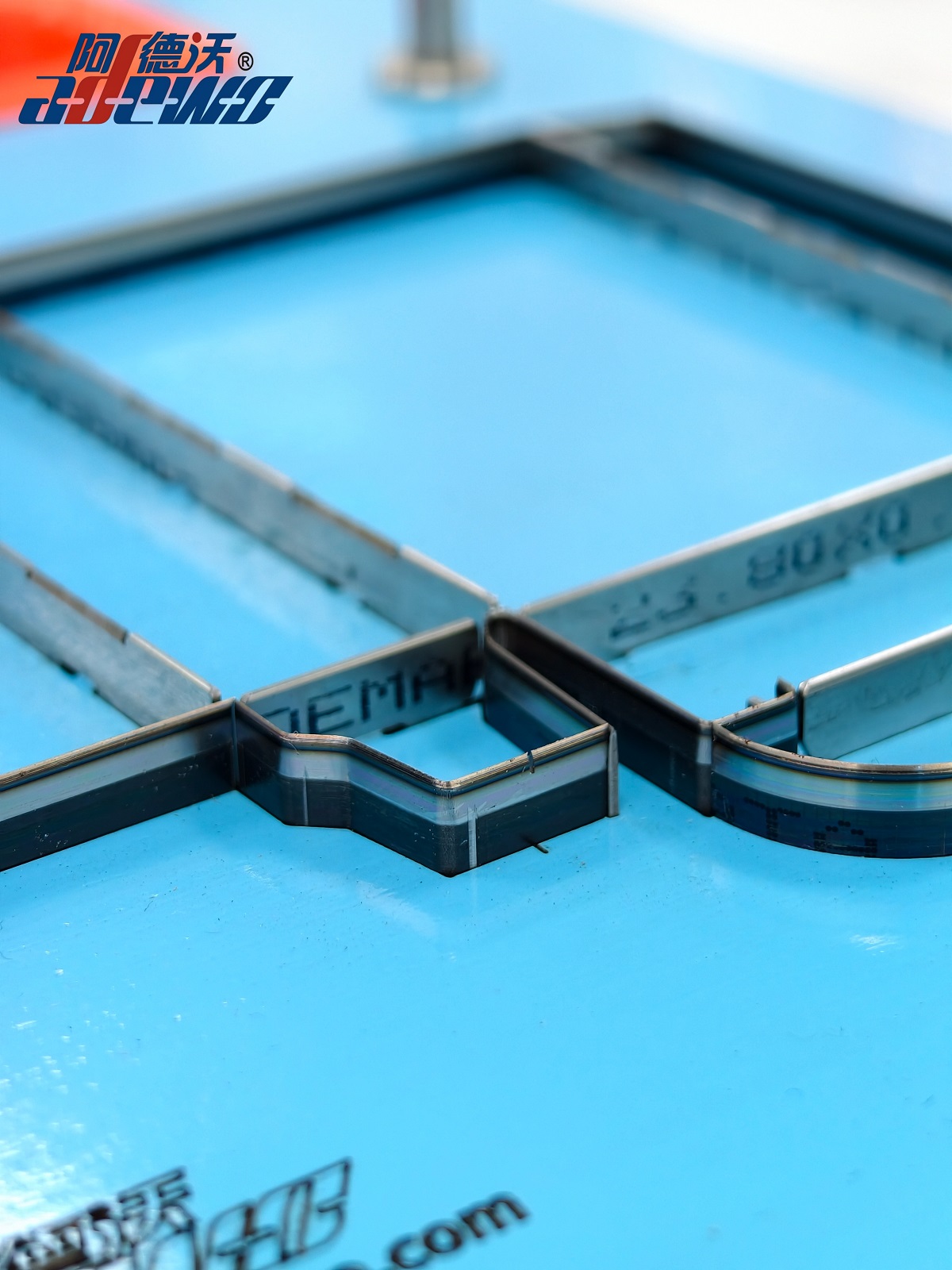
Creasing rules create controlled folding positions.
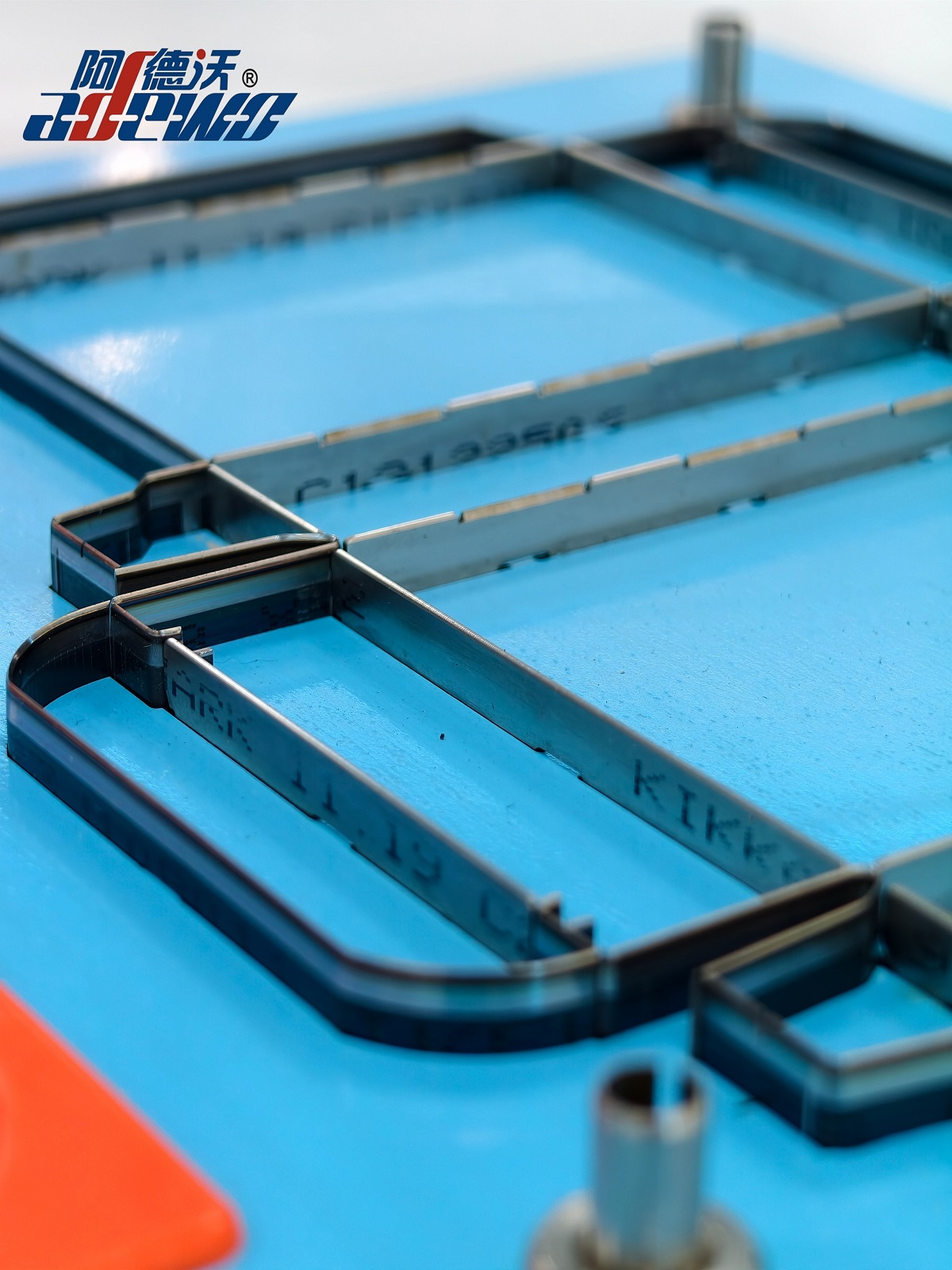
Their specifications must be matched to the board thickness, flute construction and converting conditions to avoid excessive crushing or liner damage.
Depending on the box design, additional cutting lines form flaps, slots, handles, openings and locking structures
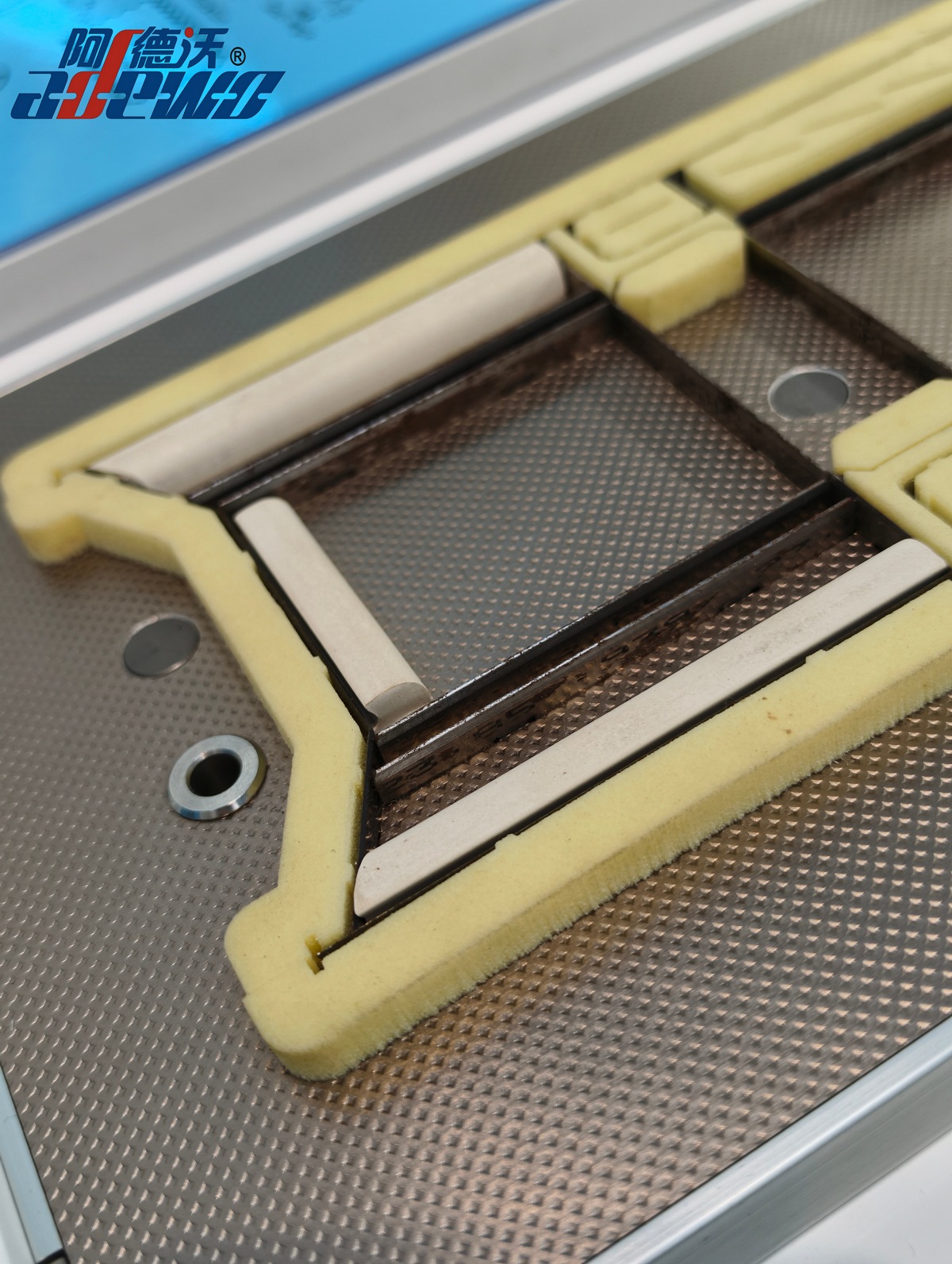
Ejection rubber is commonly installed around cutting rules to help release the material from the die after cutting.
The rubber specification and positioning need to suit the die structure and board characteristics.
4. Flatbed Die Cutting and Rotary Die Cutting: Two Different Applications
Corrugated packaging manufacturers may use different converting technologies.
Flatbed die-cutting systems use flat dies and are suitable for various customized cutting and creasing applications.
They are particularly relevant to packaging designs involving complex contours, special openings and different box structures.
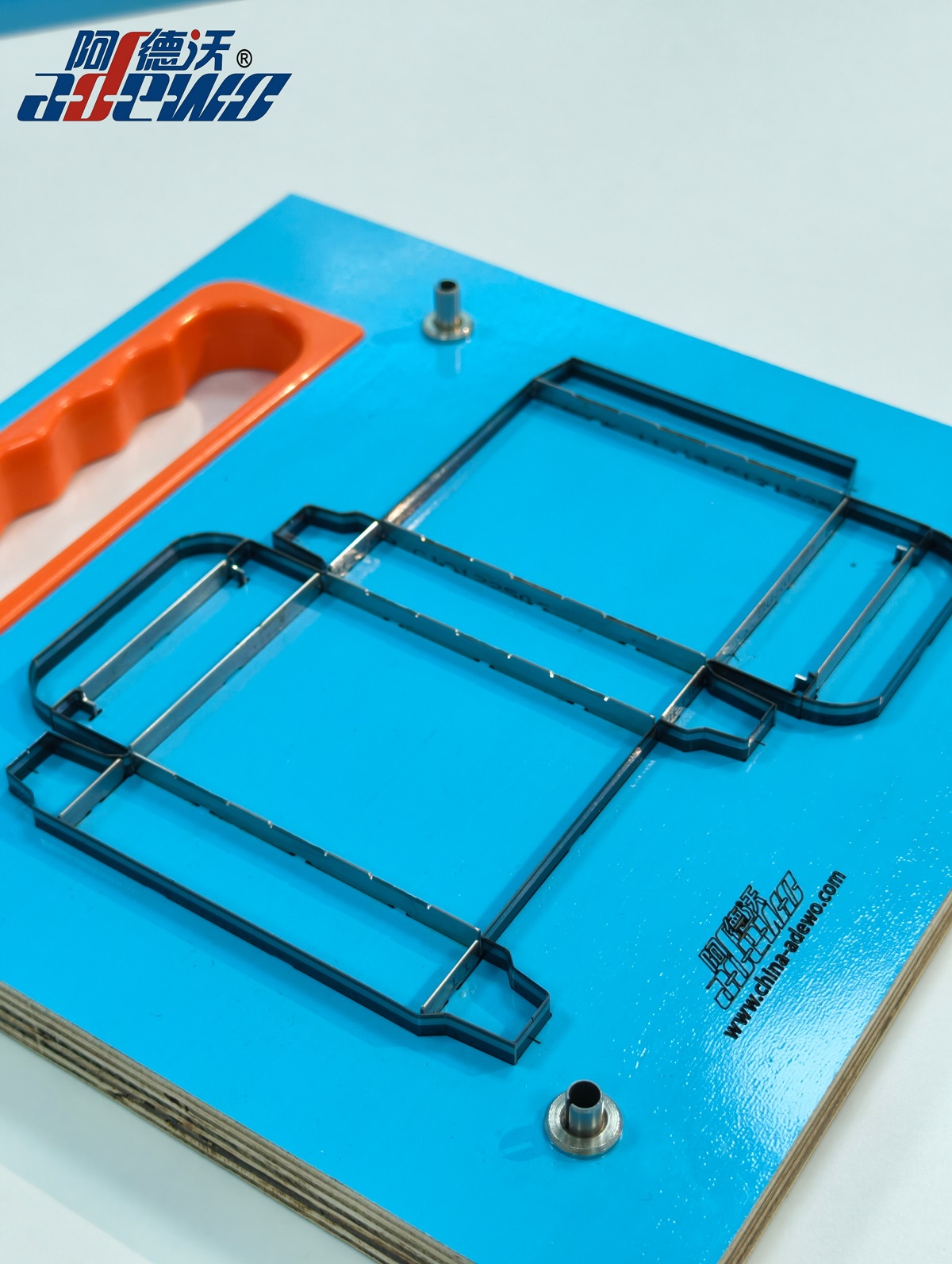
Rotary die-cutting systems use cylindrical tooling and are commonly applied in continuous corrugated converting production.
The tooling structure and manufacturing process differ from those of flat plywood steel-rule dies.
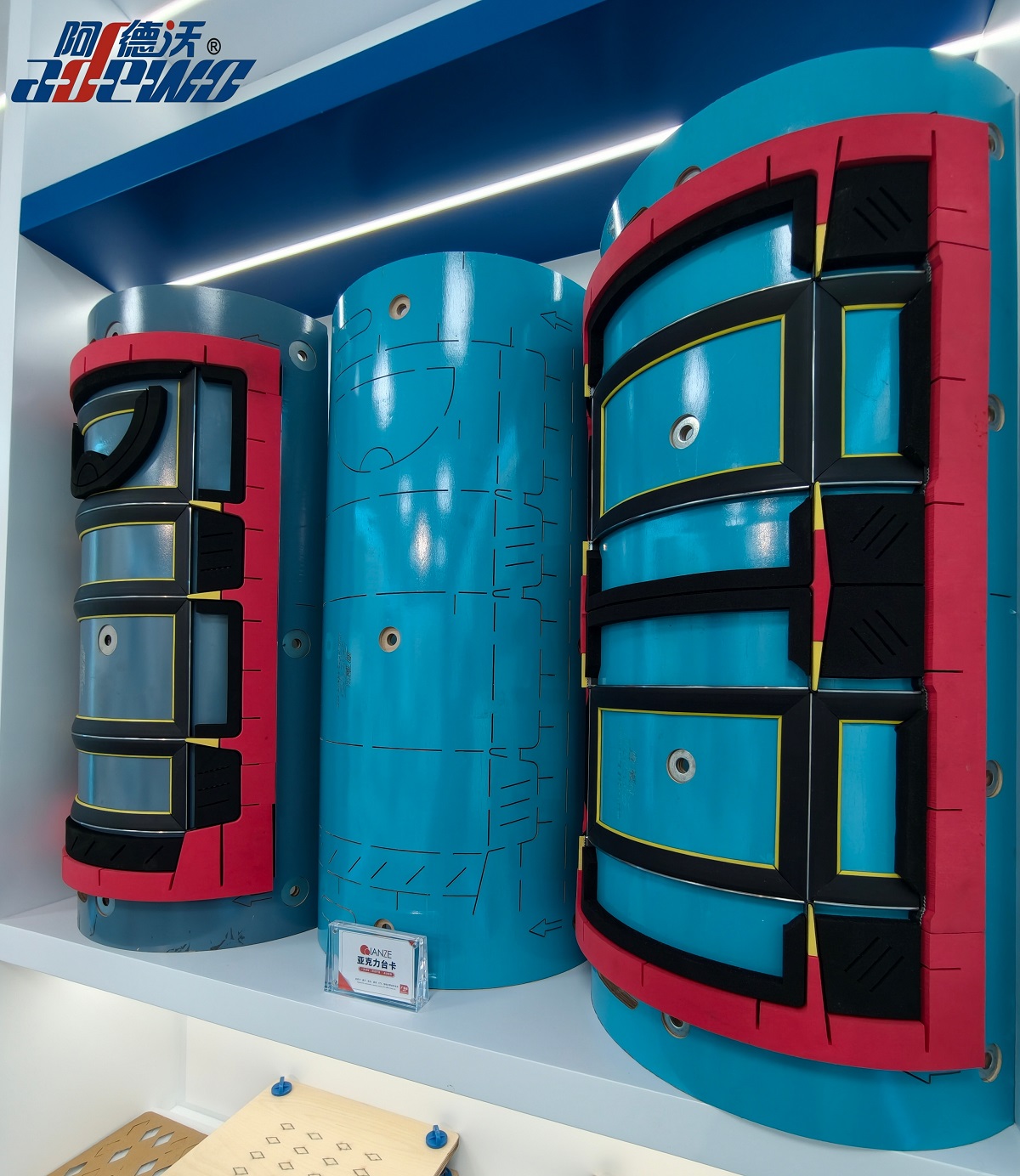
This distinction is important when planning a die-making workshop.
Equipment designed for flat steel-rule die manufacturing should not automatically be regarded as equipment for producing rotary dies.
5. Why Die Design and Manufacturing Must Work Together
A die must be designed according to the actual corrugated board and converting machine.
Several factors need to be considered:
A design that looks correct on a computer screen still needs to be verified through actual production testing.
The finished box should be checked for cutting completeness, folding accuracy, dimensional consistency and structural integrity.
6. When Should a Packaging Manufacturer Consider In-House Die Making?
For packaging companies handling frequent customized orders, urgent design changes or regular die replacements, establishing an in-house die-making department may be worth evaluating.
Potential benefits include:
However, the investment should be based on actual production needs.
A company mainly producing standard shipping cartons may have different tooling requirements from a manufacturer specializing in customized die-cut boxes and display packaging.
Understanding the difference is the first step towards selecting suitable die-making technology.
A cutting die translates a packaging design into a manufacturable structure.
Its quality influences not only how the board is cut, but also how the finished box is folded, assembled and used.
Copyright © 2022 Adewo Automation Equipment Co.,ltd. All rights Reserved.
Links Sitemap RSS XML Privacy Policy